
Hammock vs Ground: Which is Better for Sleep
Deciding between a hammock and ground sleeping for your next outdoor adventure often comes down to your personal comfort and the environment. For many, a hammock offers superior comfort and a unique sleeping experience off the ground, which is often preferred for avoiding uneven terrain and creepy crawlies. However, ground sleeping can be more practical for colder weather or when you need a stable, secure base for your gear. We’ve found that the best choice depends heavily on your camping style and the conditions you expect. Generally, hammocks are fantastic for warmer, bug-free nights, while ground sleeping provides more versatility.
When you think about sleeping outdoors, the image of a cozy tent or a rustic hammock often comes to mind. Each method presents its own set of advantages and disadvantages that can greatly impact your sleep quality and overall enjoyment. Factors like weather, bug activity, and personal preference play a big role in which sleeping setup is right for you. Many campers find that understanding these differences helps them make a more informed decision, ensuring a restful night under the stars. We looked into what makes each option appealing for different types of outdoor enthusiasts.
- Hammocks offer comfort off the ground.
- Ground sleeping is often better for cold weather.
- Your camping style matters most.
- Consider bugs and terrain when choosing.
- Both have pros and cons to weigh.
Let’s break down the key differences between hammock and ground sleeping to help you figure out which is the perfect fit for your next trip. Let’s break down the key differences between hammock and ground sleeping to help you figure out which is the perfect fit for your next trip.
“`htmlWeighing Your Options: Hammock vs. Sleeping on the Ground
Deciding how you’ll sleep outdoors is a big choice. You want a setup that lets you get good rest. Both hammocks and ground tents have their fans. We’ve looked into what makes each one a great choice for different situations. Think about what’s most important for your comfort and your trip.
The Case for Hammock Sleeping
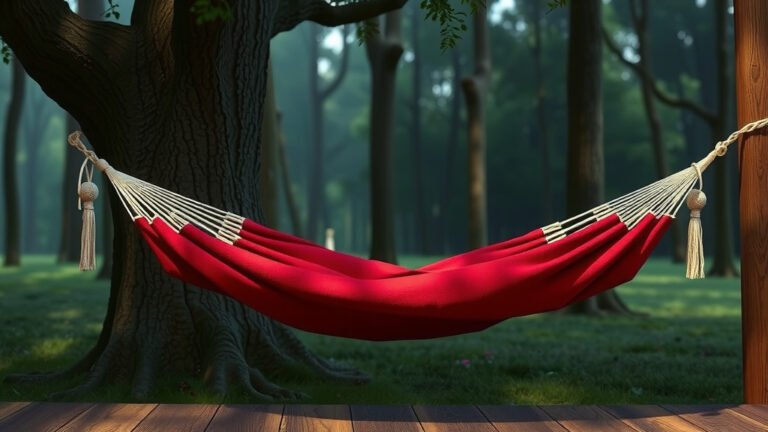
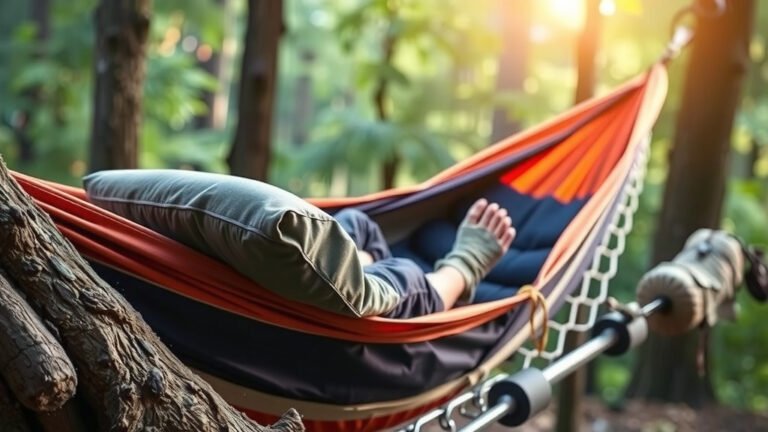
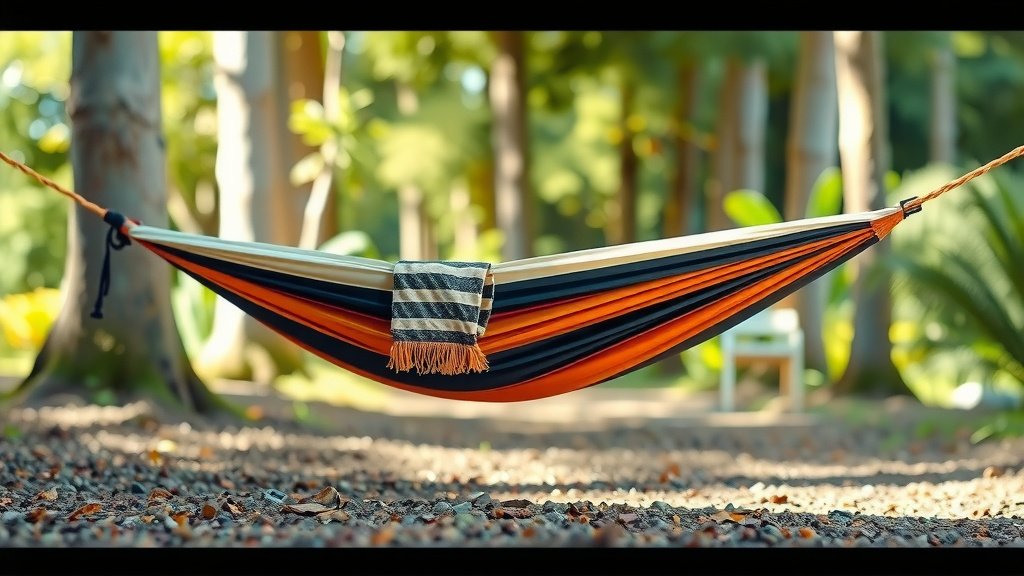
Sleeping in a hammock might seem like a luxury. It truly offers a unique experience. You’re suspended in the air, away from the ground. This can feel like floating. Many people find this incredibly relaxing and comfortable. It’s like being in your own cozy, portable bed.
Comfort and Terrain
One of the biggest draws of hammocks is avoiding uneven ground. No more rolling onto rocks or roots! Your hammock evens out the bumps. It’s a great way to sleep soundly on sloped or rocky terrain. You simply need two sturdy trees or anchor points. Research suggests that some people find hammock sleeping more comfortable for their back than traditional sleeping pads (Journal of Sleep Research).
Staying Bug-Free and Dry
Being off the ground naturally keeps you away from crawling insects. Ants, spiders, and other creepy crawlies are less likely to visit you. Hammocks also help keep you dry if there’s light rain or dew. Your tent might get damp, but your hammock stays elevated. This is a big plus for many campers, especially in humid or buggy areas.
Setting Up Your Hammock
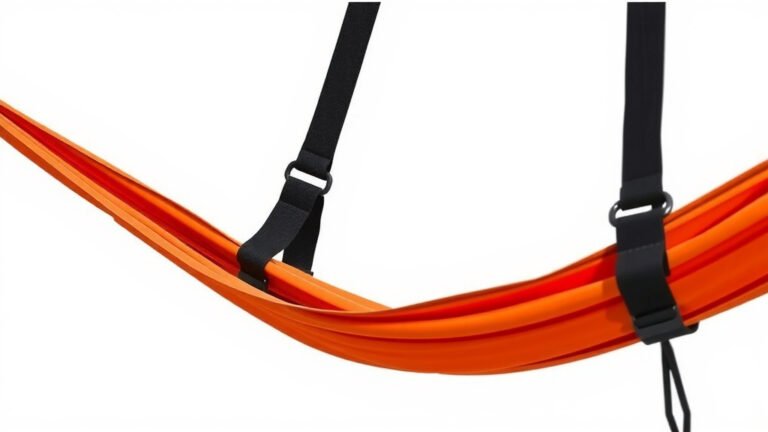
Setting up a hammock is often quicker than pitching a tent. You just need to strap it between two trees. Many modern hammocks come with built-in bug nets and tarps. These accessories make them suitable for a wider range of conditions. It’s an all-in-one sleeping solution for some.
The Advantages of Ground Sleeping
Sleeping on the ground in a tent or bivy sack is the classic camping method. It’s familiar to most people. There’s a sense of security in having a solid base beneath you. Ground sleeping offers a different kind of comfort and utility.
Weather Protection and Insulation
Ground sleeping generally offers better protection from the elements. Tents provide a full enclosure. This is especially important in cold weather. You can use a warm sleeping bag and a thick sleeping pad for insulation. This creates a cozy, warm microclimate. Many experts recommend ground tents for winter camping or in harsh weather (National Outdoor Leadership School). You lose less heat to the cold air compared to a hammock.
Stability and Gear Storage
A tent provides a stable platform. You can easily sit up, change clothes, and organize your gear. You don’t have to worry about swaying. Your sleeping pad and bag stay put. Plus, your tent offers ample storage space for backpacks, boots, and other essentials. This keeps your campsite tidy and your gear protected.
Versatility and Accessibility
Ground sleeping is more versatile in terms of location. You don’t need trees to set up a tent. You can camp in open fields, on beaches, or in rocky areas where trees aren’t available. For families or groups, tents offer more space. They are generally easier for beginners to set up and manage.
Comparing Key Features
Let’s look at how these two methods stack up side-by-side. This might help you see which fits your needs best.
| Feature | Hammock Sleeping | Ground Sleeping |
|---|---|---|
| Comfort on Uneven Terrain | Excellent | Fair to Good (with pad) |
| Bug Protection | Excellent (with net) | Good (with tent) |
| Cold Weather Performance | Fair to Good (requires insulation) | Excellent (with good pad/bag) |
| Gear Storage | Limited (requires separate storage) | Excellent |
| Setup Location | Requires trees/anchors | Any level ground |
| Weight/Packability | Generally lighter | Varies, can be heavier |
When to Choose Which
Your camping style and destination are key. Consider these points:
For the Warm-Weather, Trail-Happy Camper: Hammock
If you love backpacking through forests and camping in mild climates, a hammock is often ideal. You’ll enjoy waking up without being bothered by ground critters. It’s perfect for the summer months. Think about trips where you’ll find plenty of trees. You can often set up camp quickly and enjoy the views.
For the All-Season, Gear-Heavy Adventurer: Ground Tent
If you camp in colder weather, plan on stormy conditions, or need to store a lot of gear, a tent is likely your best bet. It provides a solid, warm shelter. You’ll feel more secure during bad weather. Ground sleeping is a reliable choice for diverse environments. It offers more flexibility for different types of trips.
A Quick Checklist for Your Decision:
- Do you hate bugs?
- Is comfort on uneven ground a priority?
- Are you camping in cold or wet weather?
- Do you need space for lots of gear?
- Are trees readily available at your campsite?
- What is your personal preference for sleeping stability?
By thinking through these questions, you’re well on your way to choosing the right sleeping setup. Both options can lead to wonderful nights under the stars.
“`Conclusion
Choosing between a hammock and ground sleeping is all about finding your ideal outdoor comfort. Hammocks shine for their unique comfort on uneven terrain and great bug protection in milder weather. Ground sleeping offers unmatched stability, superior insulation for cold conditions, and ample space for gear. We found that your personal preference, the expected weather, and the terrain are the most important factors. To make your final choice, ask yourself what kind of sleep experience you value most and which setup best supports your adventure plans.
Frequently Asked Questions
Can I really stay warm enough in a hammock during colder weather?
Staying warm in a hammock in cold weather requires extra effort. You’ll likely need an insulated underquilt that wraps around the outside of your hammock. A good sleeping pad inside your hammock also helps significantly by blocking drafts. Hammocks can be made warm, but it requires specific accessories.
What’s the best way to protect my gear when sleeping in a hammock?
Since hammocks don’t have built-in storage like tents, you’ll need a plan for your gear. Many hammock campers use a waterproof gear sack or dry bag placed on the ground beneath their hammock. Some also use a small tarp or a ridgeline organizer attached above their hammock to keep smaller items dry and accessible.
Is hammock sleeping easier on your back than ground sleeping?
For many people, yes! Hammocks distribute your weight evenly, which can relieve pressure points that sleeping pads might not fully address. This can make them feel more comfortable for your back, especially if you’re used to tossing and turning on uneven ground. However, proper setup is key to achieving this comfort.
How do I choose the right trees for hanging a hammock?
Look for healthy, mature trees that are at least 6-12 inches in diameter. Avoid trees with signs of disease, damage, or shallow roots. Ensure the trees are far enough apart for your hammock length, typically 10-15 feet. Always use tree-friendly straps to protect the bark.
Can beginners easily switch between hammock and ground camping?
Yes, beginners can certainly enjoy both! Ground camping in a tent is often the initial step due to its familiarity and simplicity. Hammock camping can have a slight learning curve with setup and insulation considerations, but once mastered, many find it incredibly rewarding and surprisingly straightforward.