Hammock Straps Explained: Your Ultimate Guide
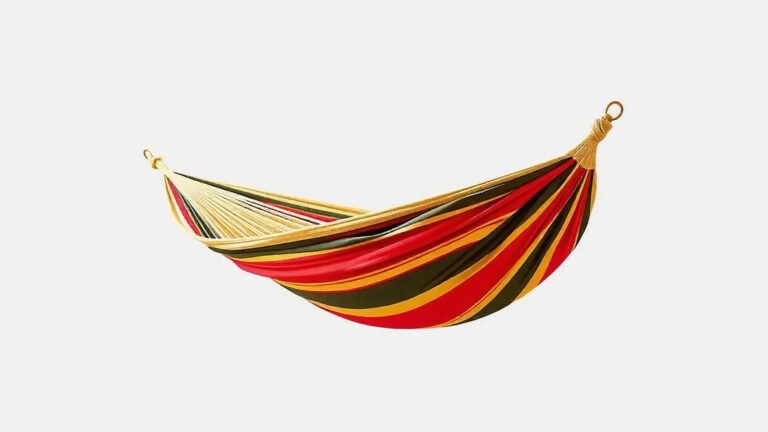
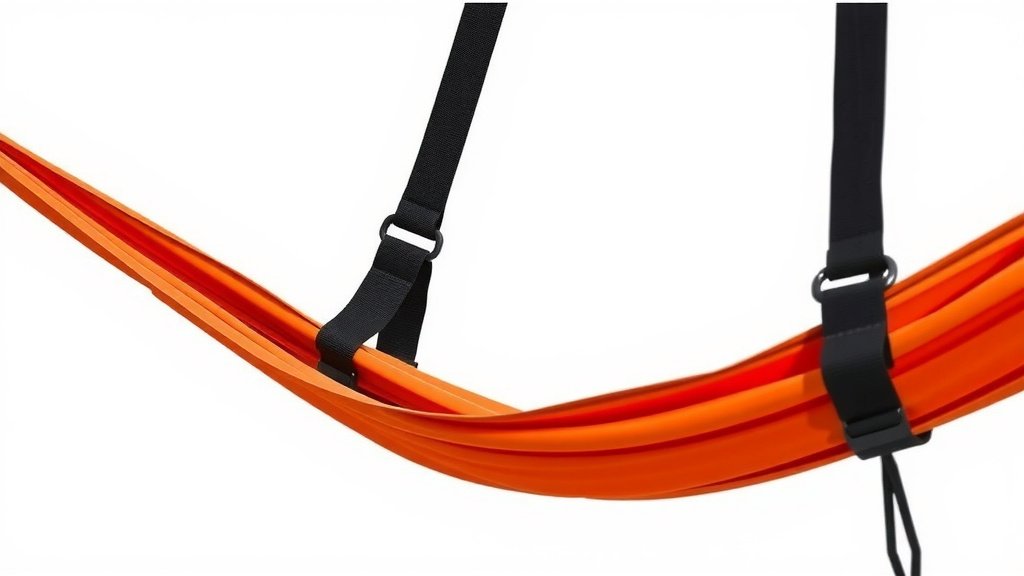
Hammock straps are webbing loops that attach your hammock to trees or posts. They are the safest way to hang your hammock, protecting both the tree and your gear. Using straps instead of rope prevents damage to bark. They also offer much more adjustability for finding the perfect hang angle.
When you’re ready to relax in your hammock, the right straps make all the difference. We found that many tree-friendly hammock straps distribute weight evenly. This protects the tree’s health. They come in various lengths and strengths to suit different hammock sizes and user weights. Choosing the right straps is key for comfort and safety.
- Hammock straps are webbing loops for hanging.
- They are safer for trees than rope.
- Straps offer easy adjustability for the best hang.
- Different types suit various hammocks and weights.
So, what exactly are hammock straps and why are they so great? Below, we break down everything you need to know to get you hanging comfortably and safely in no time.
Understanding Your Hammock Hanging Gear
So, you’ve got a hammock, and you’re itching to hang it up. Great choice for ultimate relaxation! But how exactly do you get it from point A to point B without, you know, damaging a perfectly good tree or having your hammock crash to the ground? That’s where hammock straps come into play. They’re your trusty sidekicks for a secure and tree-friendly hang.
What Are Hammock Straps, Really?
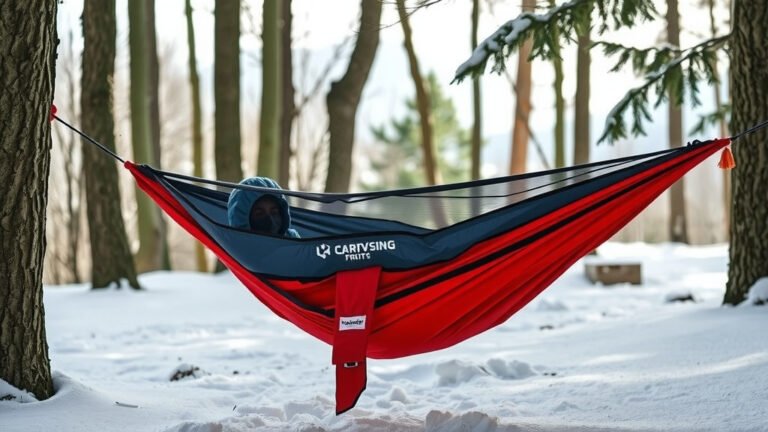
Think of hammock straps as super-strong, wide fabric belts. You loop one end around a tree or post, and the other end connects to your hammock. They’re designed to distribute your weight evenly. This is super important for keeping both you and the tree safe and sound. Unlike thin ropes, these wide straps prevent digging into the bark.
Why Ditch the Rope for Straps?
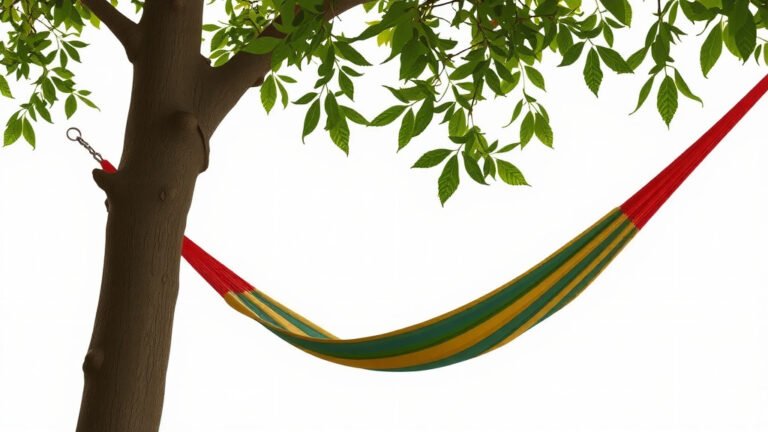
You might be thinking, “Can’t I just use a regular rope?” While rope might seem like a quick fix, it can actually cause a lot of harm to trees. When you cinch rope tightly around a tree, especially a young one, it can cut into the bark. This damages the tree’s vascular system, making it weaker and more prone to disease (U.S. Forest Service). Hammock straps, with their wider surface area, spread the pressure out. This is a much gentler approach that many outdoor enthusiasts and park services recommend.
The Benefits of Using Hammock Straps
Beyond being tree-friendly, hammock straps offer some serious perks. They make hanging your hammock way easier. You get a perfectly angled hang every time. This means more comfort for you. Plus, they’re incredibly durable. You can trust them to hold your weight, season after season.
Key Features to Look For in Hammock Straps
Not all hammock straps are created equal. You’ll want to consider a few things to make sure you’re getting the right set for your adventures. We’ve found that focusing on these details makes a big difference in your overall hammock experience.
Material Matters: What Are They Made Of?
Most high-quality hammock straps are made from nylon or polyester webbing. These materials are chosen for their strength and resistance to stretching. They can handle a lot of weight without breaking or giving out. Some might also feature reinforced stitching. This adds extra durability. Always check the material description to ensure it’s robust enough for your needs.
Strength Ratings: How Much Weight Can They Hold?
This is a big one! Hammock straps come with weight limits. You need to match this to your hammock and your own weight. Many straps are rated for 400-500 pounds. Some heavy-duty options can hold even more. Always check the manufacturer’s specifications. It’s better to be safe than sorry when it comes to hanging gear (REI).
Length and Width: Finding the Right Fit
Length is crucial for finding those perfect hanging spots. Common lengths are 6 to 12 feet. Longer straps give you more flexibility. You can hang your hammock from trees that are further apart. Wider straps, typically 1-2 inches, distribute weight better. This offers superior tree protection. Think about where you’ll be hanging most often. This will help you choose the best length.
Adjustment Systems: Easy Hanging Made Simple
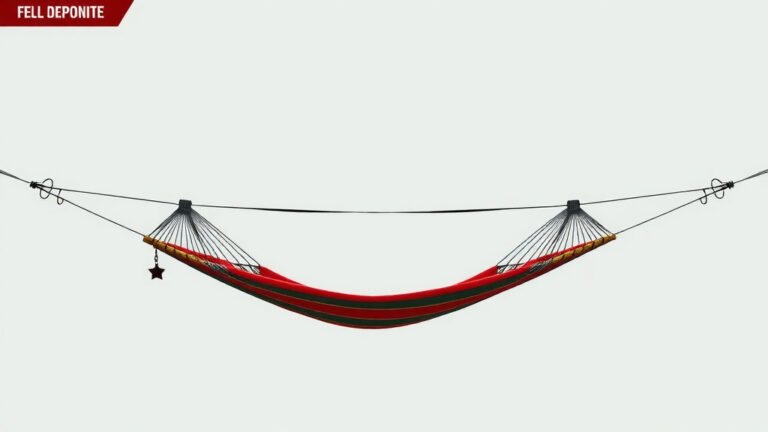
How do you connect your hammock to the straps? Most straps use a system of loops or daisy chains. You simply pass one end of the strap through itself around the tree. Then, you thread the other end through one of the loops. This lets you easily adjust the tension and angle. Some systems are simpler than others. We found that a good set of loops makes fine-tuning your hang a breeze.
Daisy Chains vs. Simple Loops
Daisy chain straps have multiple sewn loops. This gives you tons of adjustment options. It’s like having a built-in way to dial in the perfect hang. Simple loop systems might have fewer attachment points. They can still work well, especially for straightforward setups. For maximum flexibility, daisy chains are often the way to go.
Setting Up Your Hammock with Straps: A Quick Guide
Ready to get hanging? It’s simpler than you might think. We’ve broken down the basic steps. You’ll be lounging in no time.
Step-by-Step Hanging Process
Here’s a quick rundown:
- Choose your anchor points: Find two sturdy trees or posts. Make sure they are healthy and at least 10-15 feet apart. Make sure they are healthy and at least 10-15 feet apart, as explained in our guide to the best places to hang a hammock.
- Wrap the straps: Loop one end of each strap around your chosen anchor points. Pass the strap through its own loop (or a designated ring) to secure it.
- Connect your hammock: Attach your hammock to the straps. Use carabiners or the strap’s built-in connectors.
- Adjust for comfort: Sit in your hammock. Adjust the strap tension and angle until it feels just right. Aim for a gentle curve, not a tight line.
The Ideal Hammock Hang Angle
Many hammock users find a hang angle between 30 and 45 degrees to be the most comfortable. This creates a slight sag. It allows you to lie flat, almost like a bed. A straighter hang can feel like you’re being squeezed. A deeper sag might put you too close to the ground. Experimentation is key! Your personal preference matters most.
Comparing Common Hammock Strap Options
To help you visualize the choices, consider this basic comparison. It highlights some of the typical features you’ll encounter.
| Feature | Typical Description | Why It Matters |
|---|---|---|
| Material | Polyester or Nylon Webbing | Durability and strength; resists stretching. |
| Weight Capacity | 400-1000+ lbs per pair | Ensures safety and reliability for you and your gear. |
| Length | 6 ft to 15 ft per strap | Offers flexibility in finding hanging spots. |
| Width | 1 inch to 2 inches | Wider straps are gentler on trees. |
| Attachment | Daisy chains, S-hooks, or carabiners | Determines ease of adjustment and setup. |
Maintaining Your Hammock Straps for Longevity
Once you’ve got your straps, taking care of them means they’ll last a long time. Think of it as giving your trusty gear a little TLC.
Cleaning and Storage Tips
After your adventures, give your straps a quick rinse with water. This removes dirt and debris. Let them air dry completely before storing them. Avoid harsh chemicals. Store them in a cool, dry place. Keeping them out of direct sunlight when not in use helps prevent UV damage. This simple care can extend their lifespan considerably.
Regular Inspections are Key
Before each use, take a moment to inspect your straps. Look for any signs of wear and tear. Check for frayed edges, cuts, or worn stitching. If you notice any damage, it’s time to replace them. Your safety depends on their integrity. Many hammock manufacturers suggest inspecting straps regularly.
Conclusion
You’re now well-equipped to choose and use hammock straps like a pro. Remember, they’re your key to a safe, comfortable, and tree-friendly hang. We’ve seen how they protect trees and offer superior adjustability compared to rope. By considering material, strength, and length, you’re set for countless relaxing moments. So, go ahead and find that perfect pair. Your next outdoor nap awaits!
Frequently Asked Questions
Can I use regular rope to hang my hammock?
While tempting, regular rope can harm tree bark by digging in and damaging the tree’s vascular system. Hammock straps have a wider surface area. This distributes weight more evenly, protecting the tree.
What is the weight limit I should look for in hammock straps?
Most standard hammock straps are rated for at least 400-500 pounds per pair. Always check the manufacturer’s specifications. It’s wise to choose straps with a capacity well above your combined weight for maximum safety.
How do I know if my hammock straps are safe to use?
Regularly inspect your straps for any signs of wear, such as fraying, cuts, or damaged stitching. If you notice any damage, it’s best to replace the straps immediately for your safety.
What’s the best way to clean and store my hammock straps?
After use, rinse your straps with water to remove dirt and let them air dry completely. Store them in a cool, dry place away from direct sunlight to prevent UV damage and extend their lifespan.
How far apart should the trees be to hang my hammock?
Generally, trees should be 10 to 15 feet apart for a comfortable hammock hang. If your trees are further apart, you’ll want to opt for longer hammock straps to ensure a good setup.