Your Cold Weather Hammock Guide: Stay Cozy Outdoors
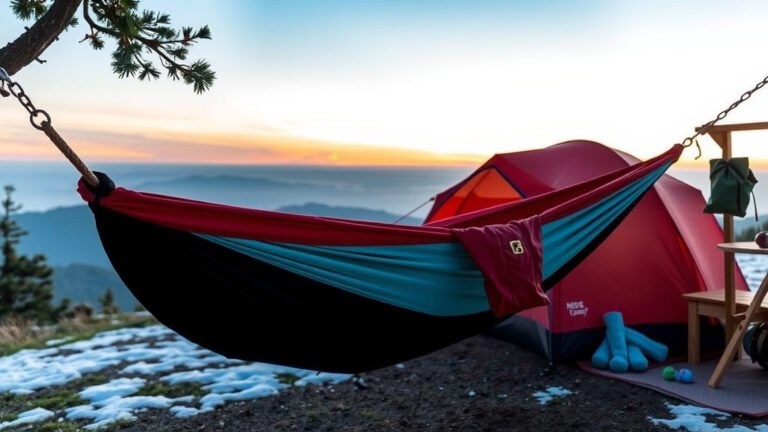
Choosing the right hammock for cold weather involves focusing on insulation and durability. You’ll want a hammock designed to keep you warm even when temperatures drop. This means looking for features like double-layer construction or integrated insulation.
Cold weather hammock camping presents unique challenges, but it’s totally doable with the right gear. Many campers find that a few key adjustments make all the difference. Staying comfortable outdoors in the chill is about smart preparation and selecting reliable, weather-resistant equipment.
- Prioritize insulation: Look for double-layer hammocks or those with built-in insulation.
- Consider a sleeping pad: A good pad is essential for blocking cold from below.
- Don’t forget your overhead insulation: Think about a hammock top quilt or underquilt.
- Choose durable materials: Cold weather can be tough on fabrics.
- Check weight ratings: Ensure your setup can handle the conditions.
Below, we’ll walk you through the best ways to stay cozy in your hammock when the temperature dips.
“`htmlPicking the Right Hammock for Chilly Weather
When you’re thinking about hammock camping in colder months, the main goal is staying warm. You want a setup that keeps the biting wind out and your body heat in. This means paying close attention to the materials and design of your hammock and its accessories.
Understanding Insulation Needs
Cold air can steal your warmth faster than you might think. Without proper insulation, your hammock can feel like a chilly, breezy tent. Research shows that heat loss can be significant in lower temperatures (National Outdoor Leadership School). Your body loses heat in several ways: radiation, convection, conduction, and evaporation. Your hammock gear needs to combat all of these.
Conduction: The Cold Ground’s Work
One of the biggest challenges is heat loss through conduction. This is where the cold from the air or ground transfers directly into your body. Think about lying on a cold rock – that’s conduction. Your hammock hangs in the air, but the air itself can be cold. Your body also presses against the hammock fabric, transferring heat. We found that a good sleeping pad is absolutely essential for breaking this cycle. It acts as a barrier, preventing your body heat from escaping into the cold air around and below you. We found that a good sleeping pad is absolutely essential for breaking this cycle of heat loss.
Convection: Fighting the Breeze
Convection is about heat loss to moving air. Even a slight breeze can carry away your body’s warmth. This is why wind protection is so important. You need a system that stops that cold air from circulating around you and through your hammock. Many hammock users find that a wind-resistant tarp is a key part of their cold-weather setup. It acts like a shield.
Radiation: Keeping Your Heat In
Your body naturally radiates heat. To stay warm, you need to trap this heat. This is where insulated layers, like sleeping bags and quilts, come into play. They create a pocket of warm air around you. We found that the loft (the fluffiness) of your insulation is a good indicator of its warmth. More loft generally means more trapped air and better insulation.
Hammock Construction for Cold Climates
When you’re looking at hammocks specifically for colder conditions, a few features stand out. These are designed to give you that extra layer of warmth and protection against the elements. You don’t want to be shivering in your shelter.
Double-Layer Hammocks: Your Built-in Blanket
A popular choice for cold weather is the double-layer hammock. Think of it like having two hammocks stacked on top of each other. The bottom layer provides a durable surface, while the top layer often has a pocket. This pocket is perfect for sliding in a sleeping pad. Why is this so good? Because it stops the pad from shifting around all night. When you’re trying to sleep, the last thing you want is your pad sliding out from under you. We found that this design significantly boosts your warmth by preventing that direct contact with the colder outer layer and securing your insulation.
Integrated Insulation: The Cozy Option
Some hammocks come with insulation built right in. These are often designed as a single unit with an insulated layer permanently attached. This can be a very convenient option. You don’t have to worry about fitting a separate pad. Many experts say these are great for simplifying your setup (Backpacking Light Magazine). However, it’s important to check the temperature rating. Not all integrated insulation is suited for deep winter conditions.
Fabric Choices: Durability Matters
Cold weather can be harsh on fabrics. You want a hammock that can handle the chill without becoming brittle or easily damaged. We found that ripstop nylon is a common and reliable choice. It’s strong and designed to prevent tears from spreading. For very cold conditions, some users opt for heavier denier fabrics. These offer more durability but can add a bit of weight to your pack.
Essential Cold Weather Hammock Accessories
Your hammock is just one part of the equation. To truly stay warm and comfortable in low temperatures, you need a few key accessories. These work together to create a cozy microclimate.
The Underquilt: Your Hammock’s Sleeping Bag
This is arguably the most critical piece of cold-weather hammock gear. An underquilt is an insulated bag that hangs *underneath* your hammock. Unlike a sleeping bag, it doesn’t get compressed by your body weight. This means the insulation stays lofty and continues to trap heat effectively. We found that underquilts are designed to wrap around the sides of the hammock, creating a thermal barrier that blocks drafts. Many outdoor gear reviewers suggest a 0-degree Fahrenheit or 15-degree Fahrenheit rated underquilt for most winter camping (Outdoor Gear Lab). Getting the right temperature rating is key to your comfort.
The Top Quilt: A Blanket That Stays Put
A top quilt is similar to a sleeping bag but without the bottom insulation and often without a hood. It’s designed to be used *inside* the hammock, over you. Think of it as a very warm, draft-free blanket. Many users find they are more comfortable and less restricted in a top quilt than in a traditional mummy sleeping bag. It allows for more natural movement. We found that many top quilts have baffles that keep the insulation evenly distributed, maximizing warmth.
The Sleeping Pad: A Double Dose of Warmth
Even with an underquilt, a sleeping pad is still a good idea, especially in extreme cold. It adds an extra layer of insulation against any residual drafts. If you have a double-layer hammock, this is where that pad pocket shines. We found that inflatable sleeping pads with a high R-value are often recommended for cold weather. The R-value measures a material’s resistance to heat flow. A higher R-value means better insulation. Many experts recommend an R-value of 4 or higher for winter camping (REI). Some people even use two pads – an inflatable one for comfort and an insulated foam pad for backup and extra warmth.
The Tarp: Shielding You from the Storm
A good tarp is your rain and wind protection. For cold weather, you’ll want a tarp that is large enough to fully enclose your hammock and provide ample coverage. Many users opt for a winter tarp that has doors or allows for “doors” to be set up. This creates a more enclosed, tent-like space. This helps keep wind, snow, and rain out, trapping more of your body heat inside. We found that a sil-nylon or sil-poly tarp offers a good balance of waterproofing and weight.
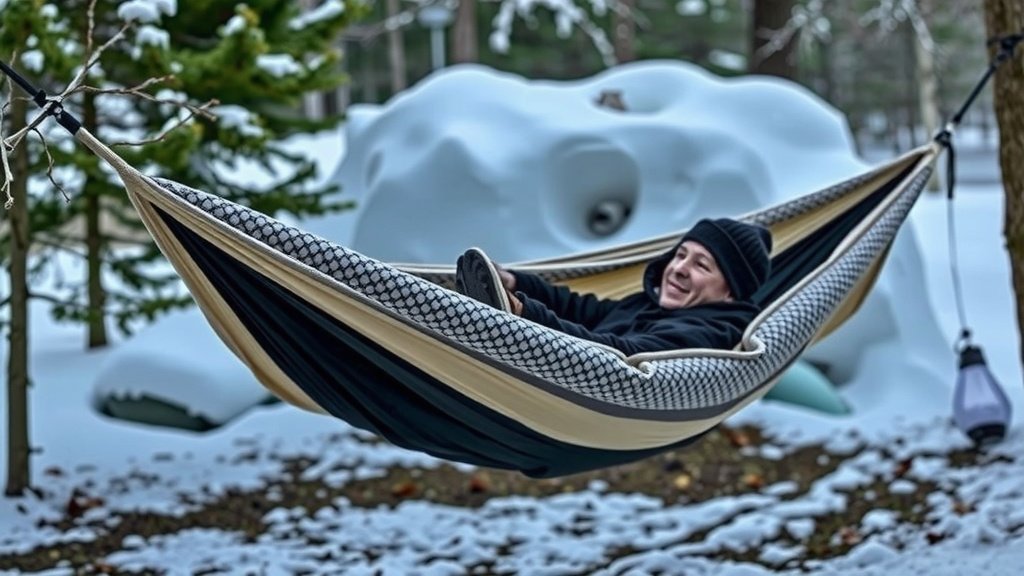
Putting It All Together: Your Cold Weather Checklist
Here’s a quick checklist to help you ensure your cold-weather hammock setup is ready to go:
- Hammock: Double-layer or insulated model.
- Underquilt: Rated for your expected temperatures.
- Top Quilt: Warm and comfortable for sleeping.
- Sleeping Pad: High R-value, especially for double-layer hammocks.
- Tarp: Large enough for full coverage and wind protection.
- Suspension System: Strong and suitable for cold conditions.
By focusing on these key elements, you can transform your hammock into a surprisingly warm and comfortable shelter, even when the temperatures drop significantly. It’s all about building layers of insulation and protection.
“`Conclusion
You’ve learned that cold weather hammock camping is all about smart layering and choosing the right gear. By focusing on insulation, durability, and wind protection, you can create a surprisingly warm and comfortable setup. Remember, a double-layer hammock with a good pad, an effective underquilt, and a protective tarp are your best friends. Don’t let the cold keep you indoors; with the right preparation, you can enjoy the wilderness all year round. Your next step is to assess your current gear and identify any upgrades needed for your next chilly adventure.
Frequently Asked Questions
What’s the biggest mistake people make with cold weather hammocks?
The most common mistake is underestimating the need for insulation, especially from below. We found that failing to use an underquilt or a sleeping pad with a high R-value leads to significant heat loss. This often results in a much colder night than expected.
Can I use my regular summer hammock in the cold?
While you might be able to adapt it with extensive accessories, a standard summer hammock is usually not ideal. We found that single-layer hammocks offer little to no insulation and minimal wind protection. You’ll need to add substantial insulation and wind blocking to make it viable.
How important is the R-value of a sleeping pad for hammock camping?
The R-value is very important, especially in cold weather. We found that it directly measures the pad’s ability to resist heat flow. For winter camping, an R-value of 4 or higher is generally recommended to combat conductive heat loss effectively.
Do I really need both an underquilt and a top quilt?
For truly cold weather, yes. We found that an underquilt insulates you from the cold air beneath the hammock, while a top quilt insulates you from above. Using both creates a much more effective thermal barrier than just a sleeping bag alone.
How do I choose the right temperature rating for my underquilt?
Consider the coldest temperatures you anticipate encountering. We found that it’s often better to go slightly warmer than you think you’ll need. If you plan on camping in 20°F weather, look for an underquilt rated for 15°F or even 0°F for extra comfort.