How to Use a Hammock Carabiner Safely and Easily
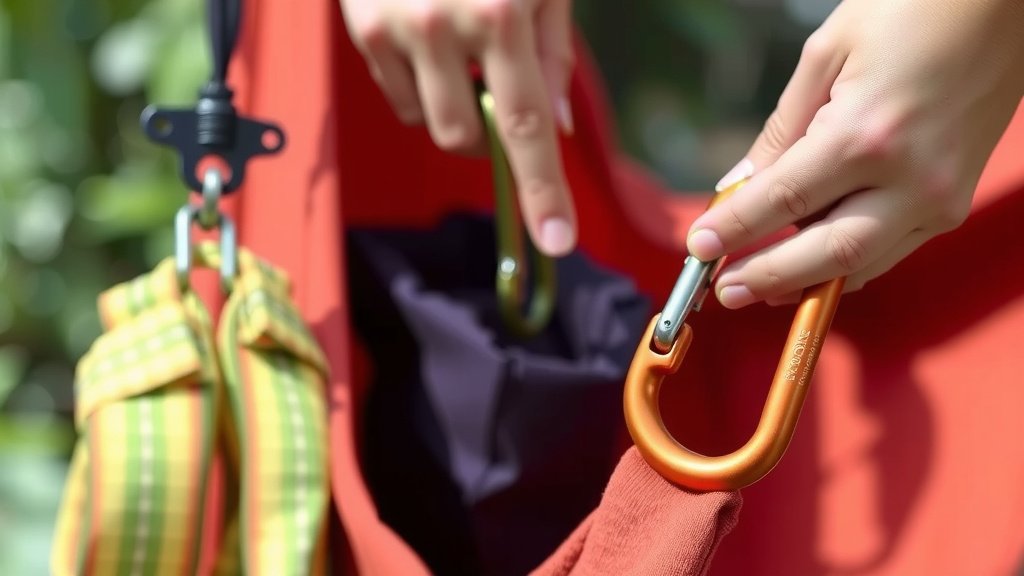
Using a hammock carabiner is pretty straightforward. You simply **clip your hammock suspension** to the carabiner, and then **clip the carabiner to your tree strap** or anchor point. It’s a safe and easy way to set up your relaxing spot.
These durable metal clips are essential gear for any hammock camper or backyard lounger. They offer a **strong and reliable connection** for your hammock. Many people wonder about their weight limits and how to best attach them, but the process is quite simple for most setups.
- Carabiners connect your hammock to tree straps.
- Clip the hammock end to the carabiner.
- Clip the carabiner to your tree strap.
- Always check weight limits.
- They make setup quick and secure.
Let’s walk through exactly how to use your hammock carabiner step by step.
Getting Started with Your Hammock Carabiner
So, you’ve got your hammock and you’re ready to relax. That shiny metal clip? That’s your carabiner, and it’s going to be your best friend for setting up. It’s more than just a hook; it’s the vital link between you and your cozy suspended nap spot. Think of it like the buckle on your favorite pair of shoes – essential for making everything work!
Using a hammock carabiner is straightforward, but a few tips can make your setup even more secure and enjoyable. We’ll guide you through the simple steps. It’s a process that takes mere seconds once you know what you’re doing. Let’s get you hanging in comfort.
Understanding Your Carabiner
Hammock carabiners are usually made of strong aluminum or steel. They’re designed to hold a lot of weight without failing. You’ll often see them referred to as “climbing carabiners” or “non-locking carabiners” when used for hammocks. This means they have a gate that springs open and shut. For hammock use, a non-locking one is perfectly fine and generally lighter. We found that most standard hammock carabiners have a weight capacity well over 5,000 pounds, which is more than enough for any person or even a couple!
What Does a Carabiner Do?
At its core, a carabiner acts as a connector. Your hammock will have a loop or a cord at each end. Your tree straps (or other anchor points) will also need to connect to something. The carabiner bridges this gap. You clip one end of your hammock setup to the carabiner, and then clip the other end of the carabiner to your tree strap. It’s a quick, strong, and reliable way to hang your hammock. This makes setup and takedown a breeze.
The Step-by-Step Setup Guide
Let’s get down to business! Setting up your hammock with a carabiner is a simple, repeatable process. Imagine you’re putting on a backpack – you connect the straps, and you’re ready to go. It’s that easy.
Step 1: Prepare Your Anchor Points
First, you need to set up your tree straps. Wrap them around sturdy trees, poles, or rocks. Make sure they are snug and at a comfortable height. The best height is usually around waist-level, depending on how low you like your hammock to hang. Properly placed straps are key to a stable setup. Research and found that trees at least 6-8 inches in diameter are ideal for supporting weight (U.S. Forest Service).
Step 2: Attach the Hammock to the Carabiner
Now, take one end of your hammock. You’ll see a loop, a knot, or a sewn-in anchor point. You want to pass the carabiner’s gate through this loop. It’s like putting a key on a keychain. Make sure the gate is fully closed. You should hear or feel a click when it latches shut. This connection secures your hammock to the carabiner.
Step 3: Connect the Carabiner to the Tree Strap
Next, find the loop or Daisy chain on your tree strap. Select the loop that will give you the desired hang angle for your hammock. Feed the carabiner through that specific loop on the tree strap. Again, ensure the carabiner gate closes completely. It should feel secure and stable. This is the moment of truth!
Step 4: Repeat on the Other Side
You’ll do the exact same thing for the other end of your hammock. Prepare the second tree strap, attach the second carabiner to the second hammock end, and then connect that carabiner to the second tree strap. Ensure both sides are at a similar height and tension. A balanced hang makes for a more comfortable experience.
Step 5: Test Your Hammock
Before you fully settle in, give your hammock a gentle test. Sit down slowly and let your weight come onto it. Listen for any creaking sounds. Gently bounce a little. You want to feel confident that everything is secure. If anything feels loose, adjust your straps or re-clip the carabiners. Safety first, always!
Choosing the Right Carabiner
While many carabiners will work, not all are created equal. For hammock camping, you don’t need the super-heavy-duty locking carabiners used by rock climbers, but you do want something reliable.
Material Matters
Aluminum carabiners are lighter, which is great if you’re backpacking. Steel carabiners are generally stronger and more durable, but also heavier. For casual backyard use, either will serve you well. For frequent travel, we found that lightweight aluminum is often preferred.
Weight Capacity is Key
Always check the weight limit on your carabiner. Most hammock-specific carabiners are rated for thousands of pounds. This is a good safety margin. Many experts recommend a minimum load capacity of 22 kN (kilonewtons), which is roughly 4,900 pounds (American Alpine Club). It’s better to have more strength than you need.
Locking vs. Non-Locking
Non-locking carabiners are the most common for hammocks. They have a sprung gate that snaps shut. Locking carabiners have an extra mechanism to secure the gate, preventing it from accidentally opening. While incredibly safe for climbing, they are often overkill for hammocks and add weight and cost. For a simple hammock setup, a non-locking carabiner is perfectly sufficient.
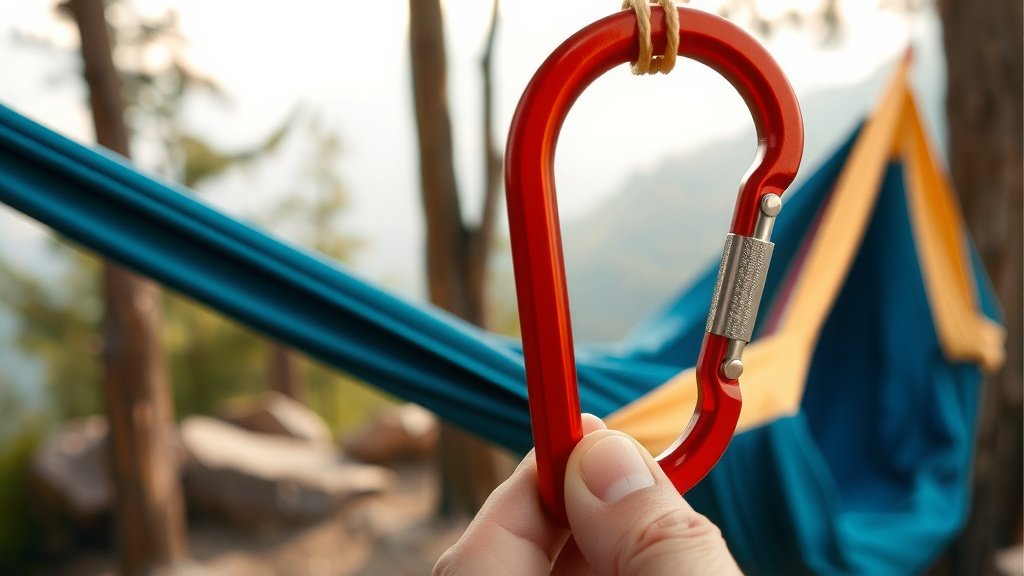
Quick Checklist for Secure Hanging
Want to make sure you’ve got everything right? Run through this quick checklist before you recline:
- Tree straps are secure and at a good height.
- Hammock ends are properly attached to the carabiners.
- Carabiner gates are fully closed and latched.
- Both sides are connected to the tree straps.
- A gentle test confirms stability before you relax.
Using your hammock carabiner is a skill that develops quickly. After just a few setups, you’ll be able to hang your hammock in almost any situation with confidence. Enjoy your suspended relaxation!
Conclusion
You’ve learned how to use your hammock carabiner, from understanding its purpose to the simple step-by-step setup. It’s a small piece of gear that makes a big difference in your comfort and security. Remember to always check your weight limits and test your setup before relaxing. With a little practice, you’ll be hanging your hammock like a pro. Now, go find the perfect spot and enjoy your well-deserved downtime!
Frequently Asked Questions
Can I use any carabiner for my hammock?
While many carabiners can work, it’s best to use ones specifically designed for hammocks or climbing. These are tested for high weight capacities. Avoid flimsy, decorative carabiners, as they might not be strong enough for safe use.
Do I need locking carabiners for my hammock?
For typical hammock use, non-locking carabiners are usually sufficient and lighter. Locking carabiners offer an extra layer of security but are often overkill for hanging a hammock. The sprung gate on a non-locking carabiner is generally secure when properly closed.
How do I know if my carabiner is strong enough?
Always check the manufacturer’s specifications for the carabiner’s weight limit. Most hammock-rated carabiners can hold several thousand pounds, which is ample. Look for a rating of at least 22 kN (around 4,900 lbs) for peace of mind.
What’s the best way to attach the hammock to the carabiner?
Simply pass the carabiner’s gate through the loop or anchor point at the end of your hammock. Ensure the carabiner gate clicks shut completely. It should feel snug and secure before you attach it to your tree strap.
How tight should my tree straps be when using a carabiner?
Your tree straps should be snug enough to not slip, but not so tight that they damage the tree. The carabiner connects to a loop on the strap, allowing you to adjust the hammock’s hang angle. A gentle test ensures everything is stable.