
What Is a Rope Hammock? Your Ultimate Guide
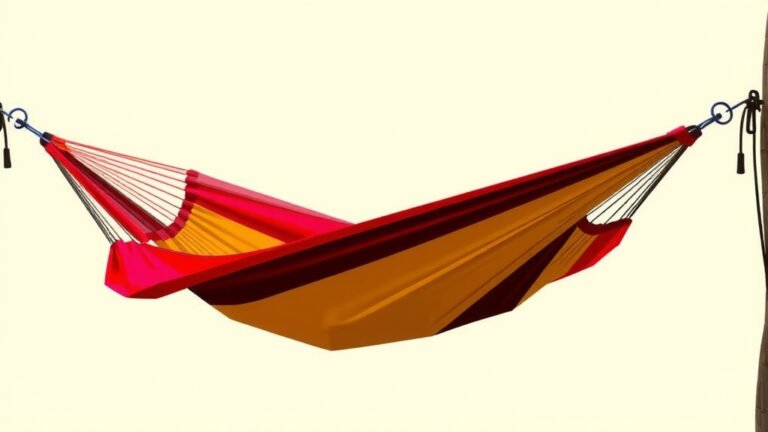
A rope hammock is a comfortable and airy bed made from woven cords or ropes. It’s designed to suspend you between two anchor points, like trees or a hammock stand. This creates a wonderfully relaxing way to lounge outdoors. They offer a unique, breezy feel that’s different from fabric hammocks.
You’ll find rope hammocks come in various materials, from classic cotton to durable synthetics. Each type offers a distinct look and feel. Many people love them for their classic aesthetic and the way they cradle your body. They are a popular choice for backyards and patios.
TL;DR:
- A rope hammock is a hammock made of woven cords.
- It suspends you for relaxation.
- They offer a breezy, comfortable experience.
- Materials vary, affecting durability and feel.
- They add a classic look to outdoor spaces.
Ready to learn more about these classic outdoor essentials? We’ve gathered everything you need to know about what makes a rope hammock so special.
Understanding the Appeal of Rope Hammocks
So, you’re curious about rope hammocks? You’ve come to the right place! These aren’t just any hammocks; they’re a **classic icon** of relaxation. We’ve found that their charm lies in their simplicity and the unique way they let you unwind. They offer a sensation of floating, almost like being gently cradled.
How Rope Hammocks Create That Signature Feel
The secret is in the construction. Rope hammocks are made by weaving cords together. This weaving creates a net-like structure. As you lie down, the ropes spread out. They conform to the shape of your body. This even weight distribution is key to comfort. It helps relieve pressure points you might feel with a solid surface.
Think of it like a supportive net. The gaps between the ropes allow air to flow freely. This is why they feel so wonderfully breezy, especially on a warm day. Many users report a feeling of being suspended in mid-air. It’s a truly unique lounging experience.
The Classic Aesthetic That Endures
Rope hammocks have a timeless look. They often bring to mind lazy afternoons and vacation vibes. Their design is simple yet elegant. This makes them a great addition to almost any outdoor setting. Whether your style is rustic or modern, a rope hammock can fit right in.
Many people choose rope hammocks for their visual appeal. They can really enhance the look of a backyard or patio. They often pair well with natural elements like trees and gardens. It’s easy to see why they’ve remained popular for so long.
Exploring the Materials of Rope Hammocks
When you’re looking at rope hammocks, you’ll notice they come in different materials. The choice of material impacts how the hammock looks, feels, and lasts. We’ve found that understanding these differences helps you pick the best one for your needs.
Cotton Rope Hammocks: The Soft and Cozy Option
Cotton is a popular choice for rope hammocks. It’s known for its natural softness. Cotton feels gentle against the skin. This makes it very comfortable for casual use. These hammocks offer a lovely, plush feel.
However, cotton has its drawbacks. It’s not the most durable material. Cotton can be susceptible to moisture and mildew. It can also fade if left out in the sun for too long. If you choose a cotton rope hammock, it’s best to bring it indoors when not in use. This will help it last longer. We found that many users love cotton for its initial comfort, but are aware of its maintenance needs.
Synthetic Rope Hammocks: Durability and Weather Resistance
Synthetic materials offer a more robust alternative. Polyester and acrylic are common choices. These materials are designed to withstand the elements. They are much more resistant to UV rays, rain, and mildew. This makes them a great choice for those who want a low-maintenance hammock.
While synthetics are durable, they might not feel quite as soft as cotton initially. However, many modern synthetics have been engineered for comfort. They can still provide a very pleasant lounging experience. They often dry faster too, which is a big plus.
Polyester vs. Acrylic
Polyester is known for its strength and resistance to stretching. It holds its shape well over time. Acrylic, on the other hand, is often favored for its softness and vibrant color retention. Many outdoor furniture manufacturers use acrylic because its colors resist fading. We found that both are excellent choices for outdoor durability.
Why Material Matters for Your Experience
Your choice of material directly affects your hammock experience. Do you prioritize a cloud-like softness for occasional use? Cotton might be your pick. Or do you need a hammock that can brave the elements for daily lounging? A synthetic option would likely be a better fit. Consider how and where you plan to use your hammock most often.
Key Features to Look For
Beyond the material, a few other features can make a big difference in your rope hammock experience. Thinking about these details can help you choose a hammock that perfectly suits your relaxation style.
Hammock Length and Width
You want to make sure the hammock is large enough for you to stretch out comfortably. A good rule of thumb is to look for a hammock that’s at least 10 to 13 feet long. This allows for plenty of room. Width is also important for stability. A wider hammock, around 4 to 5 feet, offers more surface area. This can make it feel more secure and stable.
Weight Capacity
Always check the weight capacity of the hammock. Manufacturers provide this information. You want to choose a hammock that can safely support your weight and anyone else who might want to join you. It’s better to have a little extra capacity for peace of mind.
Hanging Hardware
Does the hammock come with hanging hardware? Sometimes, hammocks are sold separately from their stands or hanging kits. If you’re hanging your hammock between two trees, you’ll need strong ropes or straps. If you plan to use a hammock stand, ensure it’s compatible. We found that having the right hardware makes setup much easier.

Setting Up Your Rope Hammock
Getting your rope hammock ready for lounging is usually quite simple. The most common methods involve hanging it between two sturdy anchor points.
Using Trees or Posts
If you have two strong trees or posts that are about 10-15 feet apart, you can tie your hammock directly to them. You’ll want to use wide, tree-friendly straps to protect the bark. Make sure the knots are secure. The ideal height for the anchor points is usually around 5-6 feet off the ground.
Using a Hammock Stand
A hammock stand offers more flexibility. You can place it anywhere in your yard or on your patio. Stands come in various materials, like metal or wood. They are designed to hold the hammock securely. Setting up a stand usually involves assembling a few pieces. Then, you simply hook the hammock to the stand’s ends. This is a great option if you don’t have suitable trees available.
We found that once you’ve chosen your setup method, the actual hanging is quick. It’s often just a matter of minutes before you’re ready to relax. Remember to test the stability before fully settling in!
A Quick Checklist for Your Hammock Journey
Ready to make your rope hammock dreams a reality? Here’s a quick rundown to keep in mind:
- Choose your material: Cotton for softness, synthetics for durability.
- Check the size: Ensure it’s long and wide enough for you.
- Verify weight capacity: Safety first!
- Consider hanging options: Trees, posts, or a stand.
- Gather your hardware: Straps, ropes, or stand components.
- Find the perfect spot: Sunny or shady, your choice!
Conclusion
You’ve now learned the ins and outs of rope hammocks, from their breezy, cradling feel to the materials that make them unique. Whether you’re drawn to the natural softness of cotton or the all-weather resilience of synthetics, there’s a rope hammock perfect for your relaxation needs. Remember to consider size and weight capacity for your ultimate comfort and safety. Ready to create your own backyard oasis? It’s time to find your perfect rope hammock and start enjoying those tranquil moments suspended in comfort.
Frequently Asked Questions
Are rope hammocks comfortable for everyone?
Rope hammocks offer a unique, airy comfort that many people adore. The woven ropes conform to your body, distributing weight evenly and relieving pressure points. If you enjoy a feeling of gentle suspension and airflow, you’ll likely find them very comfortable.
How do I clean a rope hammock?
Cleaning depends on the material. For cotton, gentle handwashing with mild soap and water is best, followed by thorough air drying. Synthetic ropes can often be wiped down with a damp cloth and soapy water. Always check the manufacturer’s care instructions.
Can I leave a rope hammock outside all the time?
It depends on the material. Cotton rope hammocks are best brought inside when not in use to prevent mildew and sun damage. Synthetic rope hammocks are more weather-resistant and can typically be left outdoors, though prolonged exposure might still cause some fading over many years.
What’s the difference between a rope hammock and a fabric hammock?
A rope hammock is made from woven cords, creating a breezy, net-like surface that allows air to pass through. A fabric hammock uses a solid piece of material, offering a more solid support. Rope hammocks provide a lighter, more airy lounging experience.
How far apart should my anchor points be for a rope hammock?
For most standard rope hammocks, anchor points should be about 10 to 15 feet apart. The ideal height for your hanging points is usually around 5 to 6 feet off the ground. This creates a comfortable hanging angle and allows you to get in and out easily.