Whoopie Slings vs Tree Straps: Which is Best for Camping
When choosing between whoopie slings vs tree straps for your hammock setup, both are great options for protecting trees. Whoopie slings offer a unique, adjustable design that can be super convenient. Tree straps are simpler and often come in longer lengths for wider tree coverage. We found that the best choice depends on your specific needs and preferences.
Many hammock campers use tree straps because they’re straightforward and widely available. Whoopie slings are popular for their ability to fine-tune tension easily. Both methods are designed to prevent damage to the bark and cambium layer of trees, which is essential for responsible camping. You’ll want to consider setup time and adjustability when making your decision.
- Whoopie slings are adjustable and offer precise tension control.
- Tree straps are simple, often longer, and provide broad tree coverage.
- Both protect trees effectively.
- Your final choice depends on convenience and personal preference.
Let’s walk through the key differences and benefits of each to help you decide which is the perfect fit for your adventures.
Comparing Your Tree Hanging Options: Whoopie Slings vs. Tree Straps
When you’re heading out for a night under the stars, your hammock setup needs to be safe and tree-friendly. We’ve looked at the two most popular choices: whoopie slings and tree straps. Both do a great job of protecting the trees you hang from. Let’s break down how they work and what might be best for you.
Understanding Tree Straps: The Simple Solution
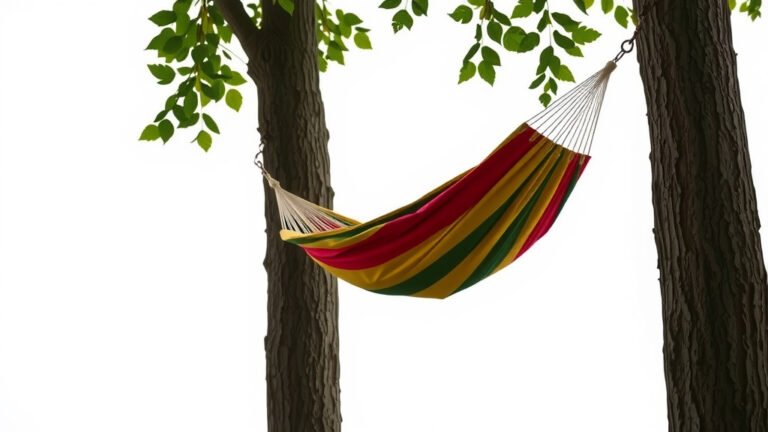
Tree straps are likely the most common way people hang their hammocks. They are essentially strong webbing straps that you loop around a tree. Then, you connect your hammock suspension to the strap. It’s a really straightforward method that most people find easy to learn.
How Tree Straps Work
Think of a tree strap like a belt for the tree. You wrap it around the trunk and use a buckle or loop system to secure it. Many straps are designed with multiple loops or “daisy chains.” This allows you to easily adjust how high or low your hammock hangs. You just move the carabiner to a different loop. This makes setting up quick and simple, even if the trees aren’t perfectly spaced.
Width Matters for Tree Health
One of the biggest advantages of tree straps is their width. Most good tree straps are at least 1 inch wide, and some are even wider. This is important because a wider strap distributes your weight over a larger surface area of the tree. This greatly reduces the pressure on any one spot. We found that wider straps are generally better for the tree’s bark and inner layers. Many experts recommend using straps that are 1 inch or wider to minimize potential damage. This is a key point for responsible camping (Leave No Trace principles).
Length and Coverage
Tree straps often come in longer lengths than whoopie slings. This is super helpful when you’re camping in areas with larger trees. You might find yourself needing a strap that’s 10, 12, or even 15 feet long to get around a big oak or pine. Longer straps give you more flexibility in choosing your hang spots. They also provide more overlap, further distributing the load.
Pros and Cons of Tree Straps
Pros:
- Easy to use: Very beginner-friendly.
- Simple setup: Quick to get your hammock up.
- Wide coverage: Protects trees well due to width.
- Good for large trees: Long options available.
Cons:
- Less fine-tuning: Adjusting tension can be less precise than with whoopie slings.
- Can be bulkier: Longer straps can take up more space in your pack.
Exploring Whoopie Slings: The Adjustable System
Whoopie slings offer a different approach to hammock suspension. They use a clever sliding knot system. This allows you to easily adjust the length and tension of your suspension. It’s a more dynamic system compared to the static loops of tree straps.
How Whoopie Slings Function
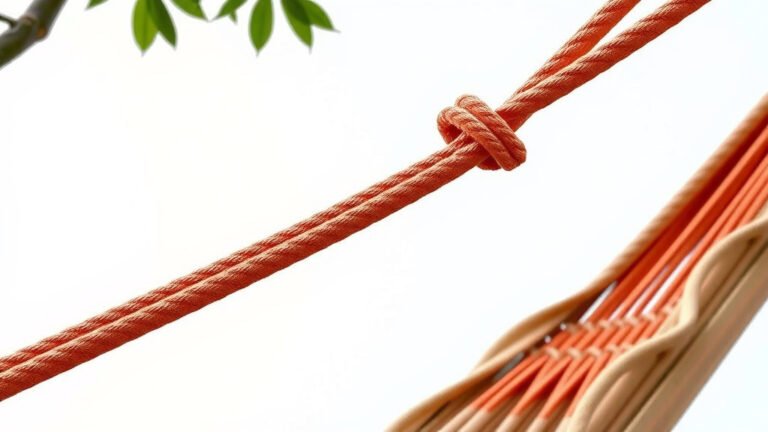
A whoopie sling is made from a continuous loop of cordage. One end has a thimble (a metal or plastic piece) to protect the cord. The other end has a loop that slides through the main body of the sling. By pulling one end, you tighten the loop; by pulling the other, you loosen it. This creates a system where you can make very small, precise adjustments. It’s like using a drawstring on a bag, but much stronger and more refined. Many backpackers love this level of control.
Tension Control is Key
The main selling point of whoopie slings is their ability to achieve perfect hammock tension. You can easily take up any slack or fine-tune the sag of your hammock. This is great for getting that just-right hang. We found that achieving a comfortable sag is a big part of enjoying your hammock. Whoopie slings make this process much easier, especially if you’re particular about your setup. You can often get your hammock perfectly level or with the exact amount of droop you prefer in just a few seconds.
Tree Protection with Whoopie Slings
While whoopie slings themselves are usually made of thin cordage, they are typically used with a separate tree-saving strap or pad. You don’t wrap the raw cord around the tree. Instead, you’d place a wider strap (similar to a tree strap but often shorter) around the tree trunk, then attach the whoopie sling to that. This combination provides excellent tree protection. The wide strap prevents bark damage, and the whoopie sling provides the adjustable connection. It’s a two-part system that works very effectively together.
Pros and Cons of Whoopie Slings
Pros:
- Precise adjustment: Easy to dial in hammock tension.
- Lightweight and compact: Great for minimalist setups.
- Fast adjustments: Can quickly change hang height or tension.
Cons:
- Requires tree straps: You’ll still need separate tree protectors.
- Can be trickier for beginners: The sliding knot might take a little practice.
- Less coverage on their own: Needs a wider strap to fully protect trees.
Direct Comparison: Whoopie Slings vs. Tree Straps
To help you visualize the differences, here’s a quick comparison table. We’ve focused on the aspects most important for hammock camping.
| Feature | Tree Straps | Whoopie Slings (with tree straps) |
|---|---|---|
| Ease of Use | Very Easy | Moderate (requires practice) |
| Tree Protection | Excellent (especially wide ones) | Excellent (when paired with tree straps) |
| Tension Adjustment | Good (limited by loops) | Excellent (very precise) |
| Setup Speed | Fast | Fast (once mastered) |
| Weight/Bulk | Moderate to High | Low |
| Best For | Beginners, car camping, large trees | Backpacking, fine-tuning hang, weight-conscious campers |
Making Your Final Decision: What’s Right for You?
So, which one should you choose? It really comes down to your personal camping style and priorities.
Consider Your Camping Style
If you’re new to hammock camping or prefer simplicity, tree straps are an excellent starting point. They are forgiving, easy to understand, and offer good tree protection right out of the box. They are perfect for car camping where weight and bulk are less of a concern. If you often camp in areas with very large trees, longer tree straps are a must-have.
When Whoopie Slings Shine
If you’re a backpacker looking to save weight and space, or if you value the ability to make minute adjustments to your hammock’s hang, whoopie slings are a fantastic choice. Just remember you’ll need to pair them with separate tree straps for optimal tree protection. The ability to quickly fine-tune your hang can make a big difference in comfort, especially on uneven ground or when you want a specific hammock sag.
A Checklist for Your Choice
Before you buy, ask yourself these quick questions:
- How much do I prioritize ease of setup over fine-tuning?
- Am I trying to minimize the weight and bulk of my gear?
- How often will I encounter very large trees?
- Am I comfortable with a system that might require a bit more learning?
- Does my chosen setup include tree-friendly protectors?
Ultimately, both whoopie slings and tree straps are great for responsible tree hanging. Many experienced campers use both, choosing the right system for the specific trip. We found that investing in quality suspension that protects the trees is always a good idea.
Conclusion
Choosing between whoopie slings and tree straps comes down to your personal camping style and priorities. Tree straps offer a simple, robust solution perfect for beginners and car campers, especially when dealing with larger trees. Whoopie slings provide lightweight adjustability for backpackers who love to fine-tune their setup. Remember, both systems are excellent for protecting trees when used correctly, often by pairing whoopie slings with a separate tree strap. We found that understanding these differences will help you pack the right gear for a comfortable and eco-friendly hammock adventure. Now, decide what best fits your next trip and get ready to hang!
Frequently Asked Questions
Do I really need to use tree straps with whoopie slings?
Yes, you absolutely should. While whoopie slings are great for adjusting tension, they are typically made of thin cordage. To protect the tree’s bark and cambium layer from abrasion and pressure, it’s essential to use a wider tree strap or pad in conjunction with your whoopie slings.
Which option is better for a beginner hammock camper?
For beginners, tree straps are generally the easier choice. Their straightforward design makes setup quick and intuitive. You don’t need to learn any special knots, and the multiple loops allow for easy height adjustments, which is very forgiving when you’re just starting out.
Can tree straps damage trees if I don’t choose the right kind?
They can, if you’re not careful. The key is using straps that are at least 1 inch wide. Wider straps distribute your weight more evenly across the tree’s surface, significantly reducing pressure and preventing damage to the bark. Always opt for wider straps for better tree protection.
Are whoopie slings lighter and more compact than tree straps?
Generally, yes. Whoopie slings themselves are typically made of lightweight cordage and have a very compact design, making them ideal for backpacking where every ounce and inch counts. Tree straps, especially longer ones designed for larger trees, can be bulkier and heavier.
How do I know what length of tree strap or whoopie sling I need?
Consider the typical size of trees you’ll be hanging from. For car camping or areas with large trees, longer tree straps (10-15 feet) are a good bet. For backpacking, you can often get away with shorter straps (6-8 feet) paired with whoopie slings, but always check the length and be prepared for slightly larger trees if necessary.