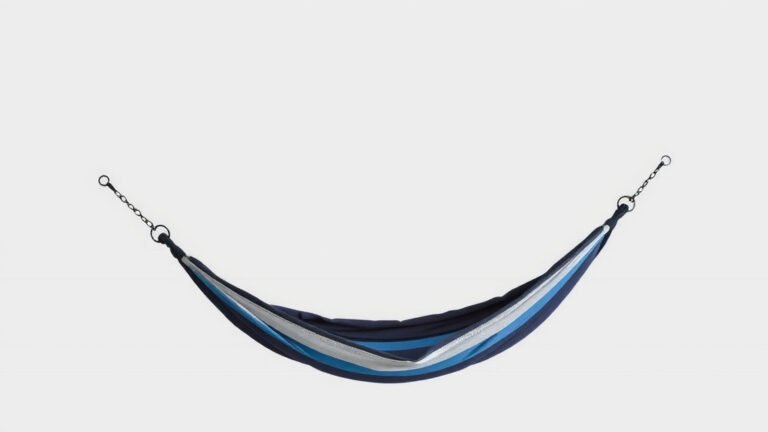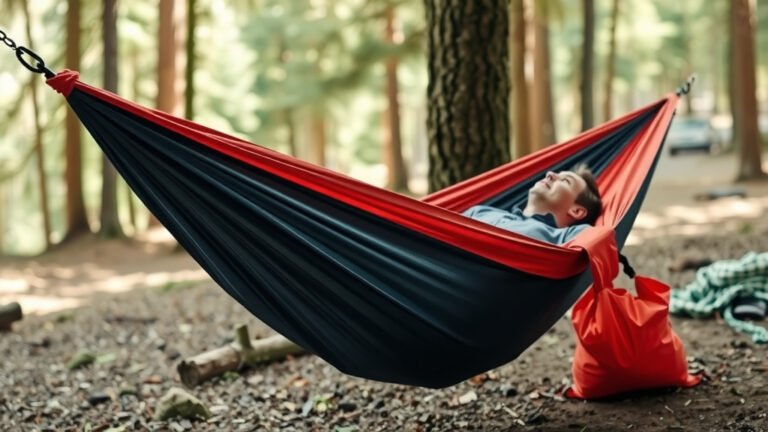

Hammock Stand Needed? Your Questions Answered
No, you don’t always need a stand for a hammock, but it’s often the easiest and most flexible way to set one up. If you lack suitable trees or sturdy posts, a hammock stand is your best bet for enjoying your hammock anywhere.
Many people think hammocks require two perfectly spaced trees, but that’s just one popular setup. You can also use a hammock stand for instant relaxation in your backyard, on your patio, or even bring it camping. It opens up a world of convenient lounging.
TL;DR:
- Hammocks don’t *require* trees.
- Hammock stands offer portability and setup flexibility.
- You can use a stand in yards, on decks, or while camping.
- A stand is ideal if you have no trees or posts.
- Stands ensure your hammock is always ready for relaxation.
Below, we’ll walk you through whether a stand is right for your hammock setup and what options are out there.
When Do You Actually Need a Hammock Stand?
So, you’ve got a hammock, and you’re dreaming of lazy afternoons. But do you *really* need a stand for it? The short answer is no, not always. But let’s break down when a stand moves from ‘nice-to-have’ to ‘practically essential’ for your relaxation station.
The Tree Situation: Your Hammock’s Best Friend (or Worst Enemy)
The classic hammock image often involves two sturdy trees, spaced just right. If your yard looks like a perfect arboretum, you might be in luck! But here’s the catch: finding those ideal trees can be tricky.
What Makes Trees “Ideal”?
For a hammock, your trees need to be healthy and strong. They should also be about 10 to 15 feet apart. Too close, and your hammock will be awkwardly bunched up. Too far, and you won’t have enough sag for comfortable lounging. You also want to avoid trees with shallow roots that could be easily damaged.
When Trees Aren’t an Option
What if you live in an apartment with a balcony? Or maybe your backyard has only one tree, or none at all? Perhaps the trees you have are too close, too far, or just look a little sickly. In these scenarios, a hammock stand becomes your In these scenarios, a hammock stand becomes your ticket to hammock bliss.ticket to hammock bliss.
The Convenience Factor: Hammocks Without the Hassle
A hammock stand takes the guesswork out of finding the perfect anchor points. You can set it up almost anywhere you have a flat, stable surface. Think of it as your portable relaxation hub.
Portability is Key
Many hammock stands are designed for easy assembly and disassembly. This means you can move your hammock from your deck to your patio, or even pack it up for a camping trip. No more wishing you had the perfect trees at the campsite!
Instant Setup, Instant Relaxation
Research shows that spending time in nature, even just lounging in a hammock, can reduce stress (Frontiers in Psychology). A stand allows you to create that chill zone on demand. You don’t need to spend time searching for suitable trees every time you want to unwind.
Types of Hammock Stands and What They Offer
Not all hammock stands are created equal. Understanding your options can help you choose the best fit for your needs and hammock type.
The Material Matters
You’ll typically find stands made from metal (steel or aluminum) or wood.
- Metal stands are often durable and weather-resistant. They can be heavier, which adds stability, but some are designed to be lightweight for portability.
- Wood stands offer a more natural aesthetic and can be very sturdy. They might require a bit more maintenance, like sealing, to protect them from the elements.
Stand Styles to Consider
There are a few common styles:
| Stand Type | Pros | Cons |
|---|---|---|
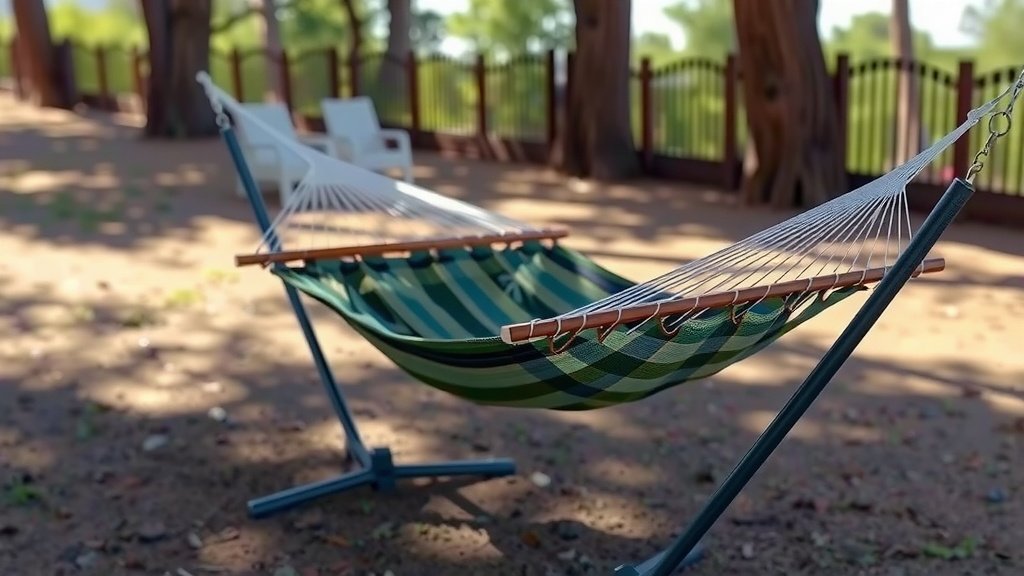
| C-Stand | Minimalist design, takes up less space. Good for smaller hammocks. | Can feel less stable for larger or heavier hammocks. Might not fit all hammock styles. |
| A-Frame Stand | Very stable and secure. Excellent weight distribution. Works well with most hammock types. | Can be bulkier and take up more floor space. |
| Tubular/Arc Stand | Often sleek and modern looking. Generally stable and easy to assemble. | Can sometimes feel a bit “springy” depending on the design. |
We found that the A-frame and robust tubular designs tend to offer the most universal compatibility and stability for various hammocks.
When a Stand is Your Best Bet: A Quick Checklist
Still wondering if you need a stand? Ask yourself these questions:
- Do you have two strong, healthy trees spaced 10-15 feet apart?
- Are you comfortable with potentially drilling into trees or using tree straps?
- Do you want the flexibility to move your hammock easily?
- Do you plan to use your hammock in places without trees (like a patio or campsite)?
- Do you want a setup that’s quick and reliable every time?
- Is ease of setup a high priority for you?
If you answered “no” to the first two questions, or “yes” to the last four, then a hammock stand is likely your ideal solution.
Hammock Types and Stand Compatibility
It’s important to match your hammock to the right stand. Not every stand works with every hammock.
Brazilian Style (Spreader Bar) Hammocks
These hammocks have spreader bars at each end. They hang flatter and are more prone to tipping if not perfectly balanced. A sturdy stand, especially an A-frame, is highly recommended. The bars need a good anchor point to stay spread correctly.
Camping orgathered-end Hammocks
These are the softer, parachute-like hammocks. They gather at the ends and create a cozy, cocoon-like experience. They are generally very forgiving with stand setup. Most stands will work wonderfully with these, offering plenty of sag for comfort.
We’ve found that checking the weight capacity of the stand is always a smart move, no matter your hammock style. Safety first, relaxation second!
Conclusion
Ultimately, you don’t always need a stand for your hammock, but it offers unparalleled convenience and flexibility. If you lack ideal trees or want the freedom to lounge anywhere, a hammock stand is your best friend. It eliminates the hassle of finding perfect anchor points. You can enjoy instant relaxation on your deck, patio, or even at the campsite. Consider your space, hammock type, and portability needs to pick the perfect stand. Ready to hang? Your perfect relaxation spot awaits with the right setup!
Frequently Asked Questions
Can I use my hammock without a stand if I only have one tree?
Yes, you can! You might need to get creative with a single tree. Consider using a strong rope or anchor strap to attach the hammock to the tree, and then find another sturdy anchor point on the ground or a nearby structure.
What’s the most stable type of hammock stand?
Research and user experiences suggest that A-frame stands are generally the most stable. Their design provides excellent weight distribution and a secure base, making them ideal for most hammock types.
Do spreader bar hammocks work better with stands?
Spreader bar hammocks hang flatter and can be more prone to tipping. A hammock stand, especially a sturdy A-frame or robust tubular design, is highly recommended for these. It ensures the hammock stays spread correctly and provides a stable anchor.
How much weight can a typical hammock stand hold?
Weight capacities vary widely by stand design and material. Most metal and sturdy wooden stands can hold anywhere from 300 to 600 pounds. Always check the product specifications before purchasing to ensure it meets your needs. Checking the weight capacity of the stand is always a smart move, no matter your hammock style.
Can I leave a hammock stand outside all year round?
It depends on the material and finish. Metal stands, especially those made of powder-coated steel or aluminum, are often weather-resistant. Wooden stands may require regular sealing or treatment to prevent rot and damage from the elements. Storing them indoors during harsh weather can extend their lifespan.