What Is a 4 Season Hammock Tarp? Key Facts Explained
A 4 season hammock tarp is a heavy-duty rain cover designed to protect your hammock in all weather conditions, including snow, wind, and freezing rain. Unlike a basic summer tarp, it’s built with tougher fabric, extra coverage, and stronger rigging. In short, it lets you hammock camp year-round instead of only in fair weather.
So why does that matter? Because cold-weather camping adds challenges you don’t face in July. You’re dealing with heavier precipitation, harsher wind gusts, and gear that has to hold up when temperatures drop. We researched dozens of setups and found that the right tarp is often the difference between a cozy winter night and a miserable one. Many experts say it’s the single most important piece of cold-weather hammock gear.
Here’s the quick version before we get into the details:
- What a 4 season hammock tarp actually is and how it differs from a regular tarp
- The key features that make a tarp winter-ready
- Popular shapes and styles, from rectangles to full storm doors
- How to pick the right size and material for your needs
- Simple tips to set yours up so it actually keeps you dry and warm
Below, we break down everything you need to know about 4 season hammock tarps, step by step. Let’s get you ready for camping in any season. If you’re newer to tarps in general, our guide on when to use a hammock tarp covers the basics first.
Understanding 4 Season Hammock Tarps
At its core, a 4 season hammock tarp is your hammock’s winter armor. It hangs above you and blocks snow, sleet, and biting wind from reaching your sleep system. Think of it like the difference between a light windbreaker and a full parka. Both cover you, but only one is built for a blizzard.
We found that most campers who try winter hammocking with a summer tarp quit fast. The tarp flaps, snow drifts in, and the night turns sour. A true 4 season tarp fixes those problems before they start.
4 Season Tarps vs. Standard Summer Tarps
So what actually separates the two? It comes down to three things: coverage, fabric, and rigging. Here’s how they stack up.
| Feature | Summer Tarp | 4 Season Tarp |
|---|---|---|
| Fabric weight | Light (often 1.0 oz/yd²) | Heavier (1.5–2.5 oz/yd²) |
| Coverage width | Barely past the hammock ends | Wide doors, doors, or full ends closed |
| Wind handling | Flaps and rattles | Low, tight, stable pitch |
| Snow load | Can sag or collapse | Steeper ridgeline sheds snow |
| Best season | Spring through early fall | Year-round, including winter |
Many experts say a summer tarp in winter is like bringing an umbrella to a hurricane. It technically covers you, but not in any useful way.
Key Features That Make a Tarp Winter-Ready
Not every tarp labeled “4 season” deserves the name. We found a handful of features that separate the real deal from the hype.
Fabric and Coating
Look for silpoly (silicone-coated polyester) or silnylon with a solid waterproof rating. Silpoly resists sagging when wet, which matters a lot when you wake up to frozen dew. Heavier fabric also shrugs off abrasion from branches and snow load better.
Coverage and Doors
Extra-wide tarps with storm doors let you close the sides and ends. That blocks wind from all directions. If you’ve ever felt a gust roll straight under your tarp at 2 a.m., you’ll understand why doors matter.
Reinforced Tie-Outs and Guy Lines
Winter wind puts serious stress on your rigging. Strong tie-out points, quality guy lines, and sturdy stakes keep everything anchored. Some tarps add reflective loops so you can find your lines when the sun goes down early.
Popular Tarp Shapes and Styles
Shape changes how your shelter behaves in rough weather. Here are the main players.
Rectangle and Hex Tarps
Rectangles offer the most flexible pitching options. Hexagons save weight but give up some edge coverage. Both work well if you pitch them low and tight.
Storm-Style Tarps with Doors
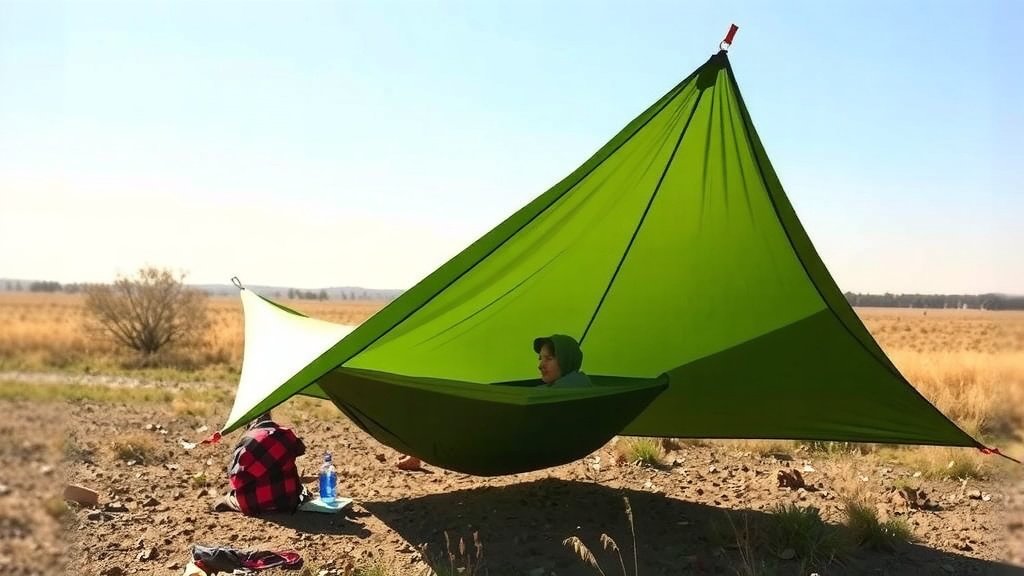
These are the heavyweights. Wide bodies, big doors, and long beavertails wrap around your hammock like a cocoon. We found these are the go-to choice for campers who camp in true winter storms, not just light dustings.
Bridge Hammock Covers
Some bridge hammock systems have custom-fitted full covers. They’re less flexible but nearly tent-like in protection.
Choosing the Right Size
Bigger is usually better for winter. A tarp that barely covers a summer setup will leave your underquilt exposed to blowing snow. As a rule of thumb:
- Look for a tarp at least 12 feet long for a standard hammock
- Pick 10 feet or more of width if you’ll close the doors
- Go wider if you run a wide ridgeline or a big underquilt
Why the extra width? Because wind doesn’t just hit from above. It wraps around, and a narrow tarp leaves gaps on the sides.
Weight, Packability, and Budget
Here’s the honest trade-off: winter-ready tarps weigh more. A summer tarp might weigh 10 ounces, while a full storm tarp can run 1.5 to 2.5 pounds. If you’re carrying it on your back, decide what matters more — comfort in a storm or a lighter pack.
Budget-wise, expect to spend more than you would on a basic tarp. The good news? We found that most people only need to buy this once. Take care of it, and a quality tarp lasts for years.
How to Set Up a 4 Season Tarp for Rough Weather
Great gear only works if you pitch it right. A badly pitched tarp fails just as fast as a cheap one.
Pitch Low and Tight
Drop your ridgeline closer to the hammock than you would in summer. A low pitch cuts wind exposure and sheds snow before it piles up. Leave a small vent gap for airflow — sealing yourself in completely can trap moisture. Since pitch height and hang geometry are related, our explainer on how a hammock ridgeline shapes your sag is worth a read.
Angle Into the Wind
Face the narrow end of your tarp toward the prevailing wind. This gives the wind less surface to push against. Check the forecast before you leave home so you know which way it’ll blow.
Stake for Snow and Frozen Ground
Regular stakes struggle in frozen dirt. Many campers use deadman anchors — sticks or stakes buried horizontally under snow or hard-packed soil. They hold like a champ when nothing else will.
Common Mistakes to Avoid
A few simple errors ruin more winter trips than bad gear ever does. Watch out for these:
- Pitching too high, which turns your tarp into a wind sail
- Forgetting airflow, which leads to condensation dripping on your bag
- Skipping the underquilt and blaming the tarp for the cold
- Using weak stakes in snow or frozen ground
- Ignoring weather warnings and camping in dangerous gusts
That last one matters most. Hypothermia risk climbs fast in wet, windy cold, and health agencies like the CDC warn that staying dry is one of the best defenses. If the forecast looks ugly, reschedule. The mountains will still be there.
Quick Winter Tarp Setup Checklist
Before you head out, run through this list. It takes two minutes and can save your whole night.
- Check wind direction and plan your tarp angle
- Pack stakes plus snow or deadman anchors
- Confirm your tarp width covers doors and underquilt
- Bring guy line and repair cord as backup
- Plan a vent gap to fight condensation
- Double-check the forecast one last time
Conclusion
A 4 season hammock tarp is what turns fair-weather hammocking into a year-round passion. We found that the right tarp comes down to three things: tough fabric, wide coverage with doors, and strong rigging. Pair it with a smart low pitch and solid anchors, and you can sleep soundly through snow, sleet, and gusts that would flatten a summer setup. Yes, it costs more and weighs more. But one good purchase protects you for years of cold-weather trips. Your next step? Pick a tarp that fits your hammock and your typical winter conditions, practice pitching it in your backyard, and book that first cold-weather camp.
Frequently Asked Questions
Can I use a 4 season tarp in the summer?
Absolutely. A winter-rated tarp works fine in warm months, just with a bit of extra weight in your pack. Many campers pitch the doors open in summer for airflow and ventilation. It’s one piece of gear that truly covers you all year.
Do I still need an underquilt with a 4 season tarp?
Yes, you do. A tarp blocks wind and precipitation, but it doesn’t insulate you from the cold air circulating beneath your hammock. The tarp and underquilt work as a team, so plan to bring both when temperatures drop.
How long does a quality 4 season tarp last?
With basic care, a well-made tarp can last 5 to 10 years or more. Keep it dry when stored, avoid dragging it over rough branches, and patch small tears early. We found that fabric UV exposure, not use, usually wears them out first.
Is silpoly really better than silnylon for winter tarps?
For most winter campers, yes. Silpoly stretches less when wet, so your pitch stays tight through freezing rain and icy mornings. Silnylon can sag overnight and needs re-tensioning in the cold. That said, both materials work if you pitch them properly.
Can one person set up a storm tarp alone in bad weather?
Yes, though it gets easier with practice. Set up at home a few times first so the process is automatic. In the field, stake the windward side first, keep guy lines pre-attached, and work quickly before your hands get cold. Practiced campers can pitch one in under 10 minutes.