Best Hammock for Kids: Your 2026 Buying Guide
The best hammock for kids is typically a soft, durable, and securely hanging fabric model. Look for hammocks made from materials like cotton or nylon that are gentle on skin and easy to clean. Size matters too; ensure it’s large enough for comfortable lounging but not so big it’s difficult to manage. Many parents find a single or child-sized hammock to be just right.
When choosing a kids’ hammock, safety and comfort are top priorities. We found that sturdy construction and reliable hanging hardware are essential to prevent accidents. A good hammock can offer a cozy spot for reading, napping, or simply enjoying some quiet time outdoors. It’s a wonderful way to encourage imaginative play and provide a safe, relaxing space for your child.
- Hammocks should be made of soft, durable fabrics.
- Look for secure hanging hardware.
- Size is important for comfort and manageability.
- Safety and ease of cleaning are key considerations.
- A good hammock provides a cozy spot for relaxation and play.
Let’s get your little ones swinging into comfort! Below, we’ll break down what makes a great kids’ hammock and how to pick the perfect one for your family.
Choosing the Perfect Hammock for Your Child
So, you’re looking for the ultimate cozy spot for your kiddo? Finding the best hammock for children means focusing on a few key things. We’ve researched what makes a hammock a hit with little ones and their parents. Think soft materials, sturdy construction, and just the right size for happy lounging. Let’s make sure your child has a safe and super fun place to relax!
What Makes a Great Kids’ Hammock?
When we talk about great kids’ hammocks, several features stand out. The main goal is to create a safe and comfortable haven. This isn’t just about a place to lie down; it’s about providing a sense of security and a spot for imagination to bloom. We found that certain materials and designs really make a difference for kid-friendly hammocks.
Material Matters: Softness and Durability
The fabric of a hammock is super important. For kids, you want something that feels gentle against their skin. Cotton is a classic choice for its softness. It’s breathable, which is great for warmer days. However, cotton can take a while to dry if it gets wet.
Nylon is another popular option, especially ripstop nylon. It’s known for being incredibly durable and lightweight. Plus, nylon dries much faster than cotton. This makes it a good choice if your child might use the hammock outdoors frequently, rain or shine. Some hammocks also use polyester, which offers good durability and mildew resistance.
We found that many parents appreciate hammocks that are easy to clean. Spills and dirt happen, especially with kids! Materials that can be wiped down or even thrown in the washing machine are a big plus. Check the manufacturer’s cleaning instructions before you buy.
Size and Weight Capacity: Just Right for Little Ones
Size is a big deal for a kid’s hammock. You don’t want it to be so large that it’s hard to get in and out of, or that it feels overwhelming. A single or child-sized hammock is often perfect. These are typically shorter and narrower than adult hammocks, making them easier to manage.
Weight capacity is also a critical safety factor. Even if only one child will use it, ensure the hammock and its hanging hardware can support more weight than expected. Many kid-sized hammocks are designed to hold at least 200-250 pounds. Always check the stated weight limit and err on the side of caution. It’s better to have a hammock that can handle a bit more than you think it will need.
Safety First: Secure Hanging and Construction
The safest hammocks are those that are hung properly and securely. This is where the hanging kit comes in. Look for hammocks that come with sturdy carabiners, strong ropes, or reliable tree straps. If you’re hanging it from a hammock stand, make sure the stand is stable and designed for the hammock’s size and weight.
We found that checking the stitching is also important. Reinforced stitching at the suspension points adds extra durability. Avoid any hammocks with frayed edges or loose threads right out of the box. For hanging, ensure your anchor points (like trees or posts) are strong and healthy. If you’re unsure, using a dedicated hammock stand is a great way to ensure safety without relying on other structures.
Types of Kids’ Hammocks to Consider
There’s a variety of hammock styles that can work wonderfully for children. Each has its own charm and set of benefits. Thinking about where and how your child will use the hammock can help you decide.
The Classic Brazilian Hammock
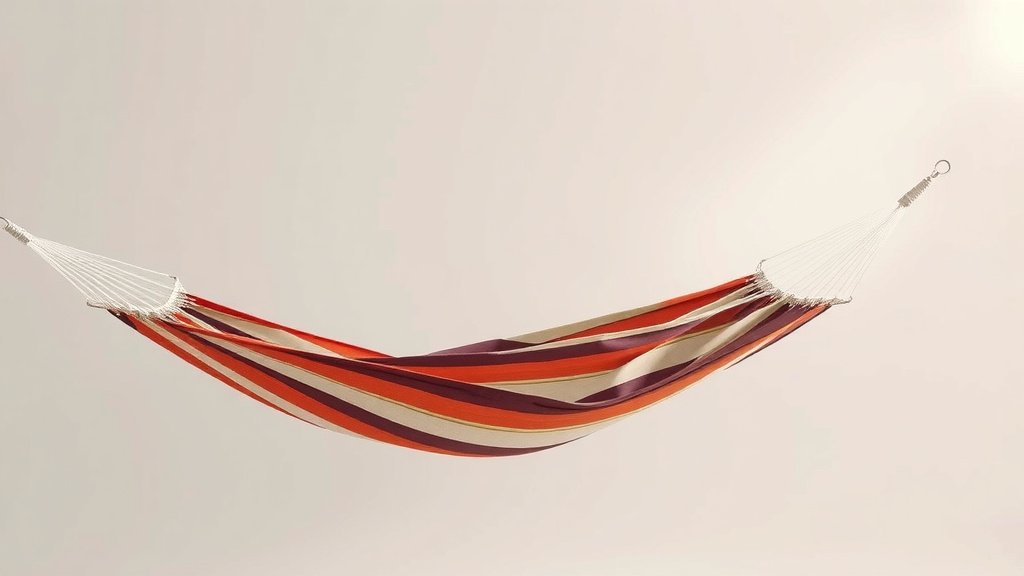
These hammocks are made from a single piece of fabric, often with fringe. They cradle you comfortably, almost like a cocoon. For kids, a smaller Brazilian style can be very cozy. They provide a snug and secure feeling, which many children enjoy.
We found that the solid fabric design means no bars to get caught on, which is great for younger kids. They are usually made from cotton or a cotton blend, offering that soft touch. Just remember, they can take a bit longer to dry.
The Hammock Chair (Pod or Cocoon Style)
These are incredibly popular for kids! A hammock chair hangs from a single point and often has a rounded, enclosed shape, like a pod or cocoon. They are fantastic for providing a sense of personal space and security. It feels like their own little fort!
Many hammock chairs are made from durable fabric or woven materials. They usually come with a soft cushion inside for extra comfort. They are perfect for indoor use or on a porch, as they don’t require as much space as a full-length hammock. We found that they are also great for reading or quiet playtime.
The Camping Hammock (Nylon)
If your child is a bit more adventurous and loves the outdoors, a camping hammock might be the ticket. Made from lightweight, durable nylon, these are built to withstand the elements. They are often very compact and easy to pack.
While they are functional, the nylon fabric can sometimes feel a bit slippery or less “cozy” than cotton. However, their quick-drying nature and toughness make them ideal for camping trips or backyard adventures. Look for ones with a good suspension system that’s easy to set up.
Setting Up Your Child’s Hammock Safely
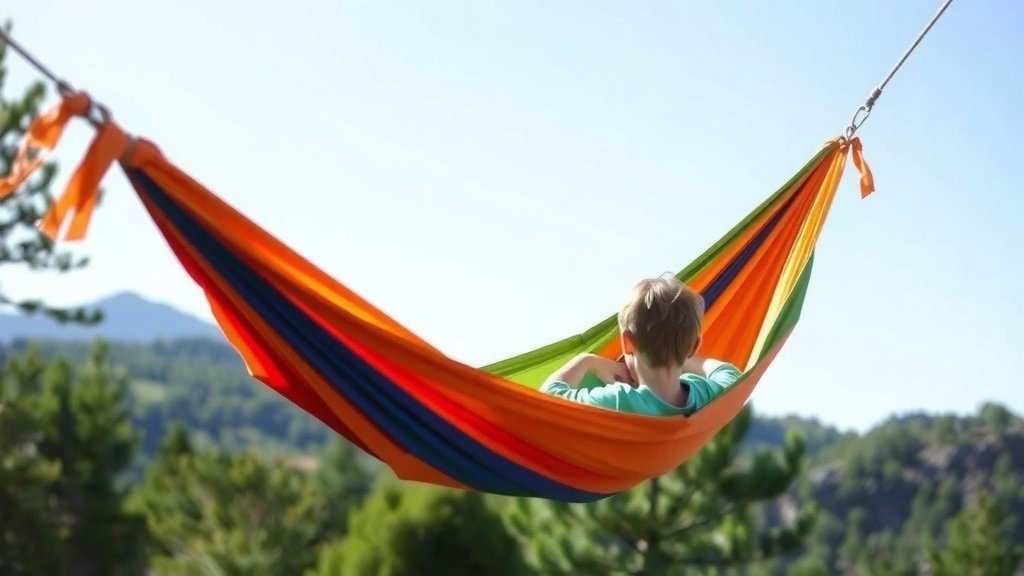
Getting your child’s hammock set up correctly is key to ensuring lots of happy swinging. Safety really is the number one priority here. We’ve gathered some tips to help you out.
Choosing the Right Hanging Method
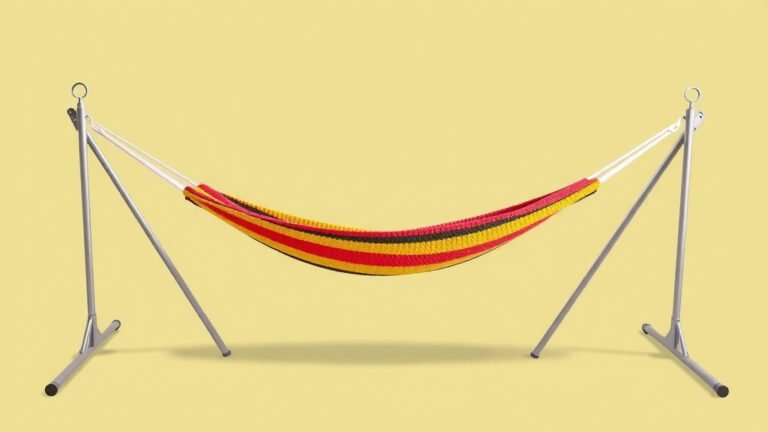
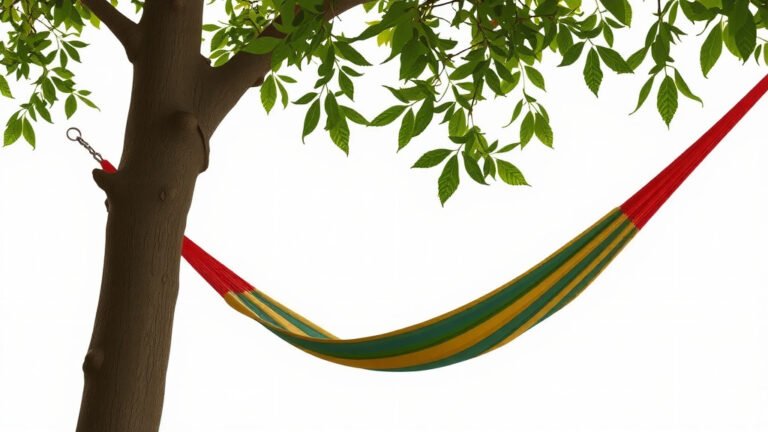
You have a few options for hanging. Hammock stands are a fantastic choice if you don’t have suitable trees or posts. They offer stability and can be moved around. Make sure the stand is appropriately sized for the hammock and has a good weight capacity.
If you’re using trees, use tree straps instead of ropes. Tree straps distribute the weight over a wider area, protecting the tree’s bark. This is much better for the tree’s health. Ensure the straps are rated for the hammock’s weight and are secured firmly.
For permanent installations, like on a deck or porch, you might consider hammock hooks. These need to be drilled into sturdy wooden beams or posts. Always follow installation instructions carefully, as structural integrity is vital.
Height and Distance: The Golden Rules
When setting up a hammock, the general rule is to hang it so the lowest point is about 18 inches off the ground when empty. This height makes it easy for kids to get in and out without a big jump. It also means they won’t hit the ground hard if they happen to roll out.
The distance between your anchor points (trees, stand, posts) will determine the sag of the hammock. You want a nice, gentle curve, not a tight, flat line. A good rule of thumb is to place your anchor points about 10-15 feet apart for a standard-sized hammock. For a child-sized hammock, slightly closer might be better. Test the sag – it should feel supportive and comfortable, not like you’re lying in a stiff sheet.
A Quick Checklist for Your Hammock Hunt
Ready to find the perfect hammock? Keep these points in mind as you shop:
- Soft Material: Does it feel gentle and comfortable?
- Durable Fabric: Can it withstand regular use?
- Secure Hanging Hardware: Are the ropes, carabiners, or straps strong?
- Appropriate Size: Is it just right for your child’s height and weight?
- Easy to Clean: Can you deal with spills and dirt easily?
- Good Weight Capacity: Does it safely support your child?
Conclusion
You’re now well-equipped to find the perfect hammock for your child! Remember, the best kids’ hammock prioritizes softness, durability, and secure hanging. Whether you choose a cozy cotton Brazilian style, a fun hammock chair, or a rugged nylon camping model, ensure it’s the right size and has a solid weight capacity. Prioritizing these features means you’re giving your child a safe, comfortable spot for relaxation and adventure. Your next step? Measure your space and start browsing for a hammock that will bring smiles and happy swaying!
Frequently Asked Questions
Can my child use an adult-sized hammock?
While it’s possible, an adult-sized hammock might be too large and difficult for a child to manage safely. We recommend sticking to single or child-sized hammocks. They offer a more secure and comfortable fit for smaller users, making it easier for them to get in and out without assistance.
How do I make sure the hammock is safe for my child?
Safety starts with choosing a hammock made from durable materials with reinforced stitching. Always check the stated weight capacity and ensure your hanging hardware is strong and properly installed. Hanging the hammock at about 18 inches off the ground is a good rule to prevent hard falls.
What’s the best material for a kid’s hammock if they play outside a lot?
For outdoor use, consider hammocks made from nylon or polyester. These fabrics are generally more durable and dry much faster than cotton. This means less worry about mildew and quicker setup after a rain shower, making them ideal for frequent outdoor adventures.
Can I hang a hammock indoors safely?
Yes, you can! If you don’t have trees, a sturdy hammock stand is an excellent indoor option. Alternatively, you can use hammock hooks securely installed into ceiling joists or strong wall studs. Just ensure the anchor points are reliable and can support the hammock’s weight capacity.
How do I clean a kids’ hammock?
Cleaning depends on the material. Cotton hammocks can often be washed gently in a machine, while nylon or polyester can typically be wiped down or spot-cleaned. Always check the manufacturer’s care instructions before cleaning to avoid damaging the fabric or hardware.