
Choosing a Hammock Stand: Your Ultimate Guide
Choosing the right hammock stand depends on your space and the type of hammock you own. You’ll want to consider its weight capacity and durability to ensure safe and enjoyable relaxation. Making the right choice means you can hang your hammock virtually anywhere without needing trees.
Many people think all hammock stands are the same, but they come in various materials and styles. Some are designed for portability, while others offer a more permanent and sturdy solution. We found that understanding these differences is key to finding your perfect match.
- Consider your hammock type: Spreader bar vs. non-spreader bar.
- Check the weight limit: Ensure it safely holds you and your hammock.
- Think about material: Wood offers a classic look, while metal is often more durable.
- Portability matters: Do you need to move it often?
Below, we’ll walk you through the essential factors to consider so you can find the perfect hammock stand for your backyard oasis.
Finding the Right Hammock Stand for Your Relaxation Station
So, you’re ready to ditch the trees and hang your hammock anywhere? That’s fantastic! A hammock stand is your ticket to portable paradise. But with so many options out there, how do you pick the one that’s just right for you? We’ve got you covered.
We found that the best hammock stand is a blend of your hammock’s needs and your lifestyle. Think of it like choosing the right frame for a beautiful picture – it needs to be sturdy, look good, and fit perfectly. Let’s break down what really matters.
Understanding Hammock Stand Materials: What’s Your Vibe?
The material of your hammock stand sets the tone for your entire relaxation setup. It affects durability, weight, and even the aesthetic. We looked at the most common materials to help you decide.
Metal Hammock Stands: The Durable Workhorses
Metal stands, often made from steel or aluminum, are incredibly popular. They are known for their strength and longevity. Steel offers robust support, capable of holding a lot of weight, while aluminum is lighter and resistant to rust, making it a great choice if you plan to move it often or live in a humid climate.
We found that metal stands are typically designed for easy assembly and disassembly. This makes them a fantastic option for those who want the flexibility to move their hammock from the patio to the backyard, or even take it on a camping trip. Just be sure to check the type of finish – powder coating is excellent for preventing chips and rust.
Wood Hammock Stands: Classic Charm and Natural Beauty
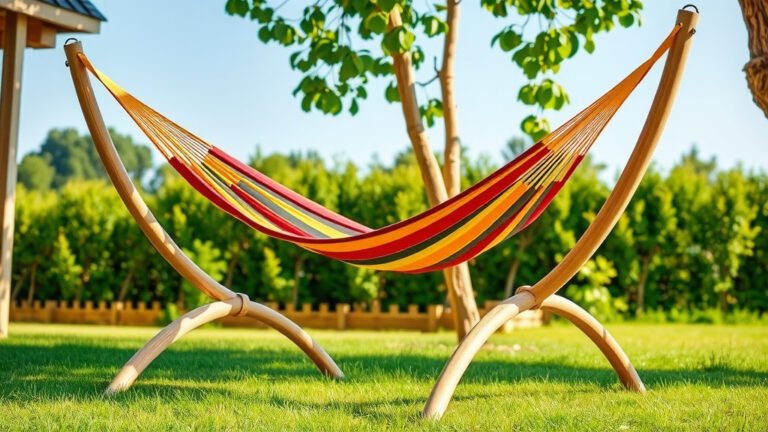
For a more traditional and natural look, wood stands are hard to beat. They bring a touch of rustic elegance to any outdoor space. Common woods include pine, cedar, and hardwood like oak or teak.
Pine and cedar are lighter and more budget-friendly, though they may require more maintenance to protect them from the elements. Hardwoods are significantly more durable and resistant to rot and insects, but they come with a higher price tag. We found that wood stands often have a beautiful, natural grain that can complement garden settings wonderfully.
If you opt for wood, look for stands that are properly sealed or treated. This helps ensure they can withstand sun and rain without warping or degrading. Regular oiling or sealing can extend the life of a wooden stand considerably.
Key Features to Consider for Your Perfect Stand
Beyond the material, several key features will make or break your hammock stand experience. These are the nuts and bolts of what makes a stand functional and safe.
Weight Capacity: Safety First, Always!
This is non-negotiable. Your hammock stand must safely support the weight of whoever will be using it, plus the hammock itself. Most stands list their weight capacity clearly. It’s always wise to choose a stand with a capacity comfortably exceeding your expected load.
We found that many manufacturers suggest adding about 20-30% to the stated weight limit as a safety margin. For instance, if you weigh 200 pounds and your hammock weighs 5 pounds, a stand with a 250-pound capacity is a good minimum. A 300-pound capacity would offer even more peace of mind.
Hammock Type Compatibility: Does It Fit?
Not all hammock stands are created equal when it comes to the type of hammock they support. This is a biggie!
Spreader Bar Hammocks
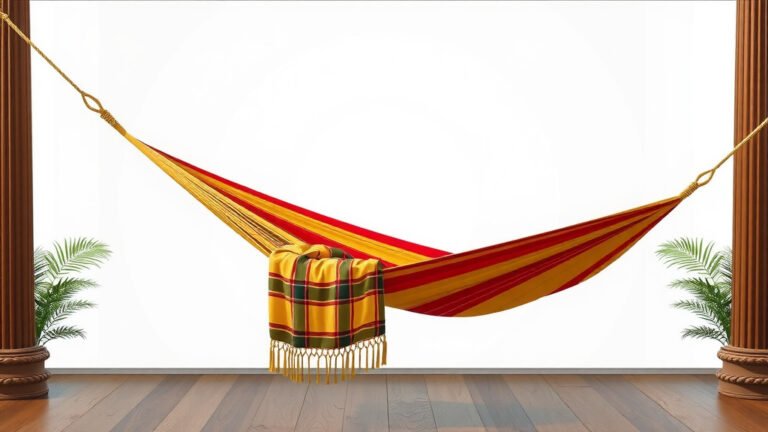
These hammocks have wooden or metal rods inserted at each end to keep the fabric spread out flat. They look great and are easy to get into, but they require a stand with specific dimensions to hold those spreader bars securely. The distance between the hooks or hanging points on the stand needs to match the width of your spreader bar hammock.
Non-Spreader Bar (Brazilian or Camping) Hammocks
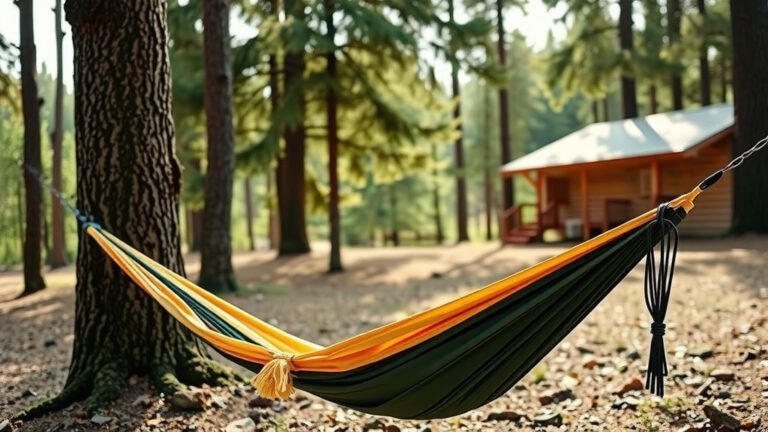
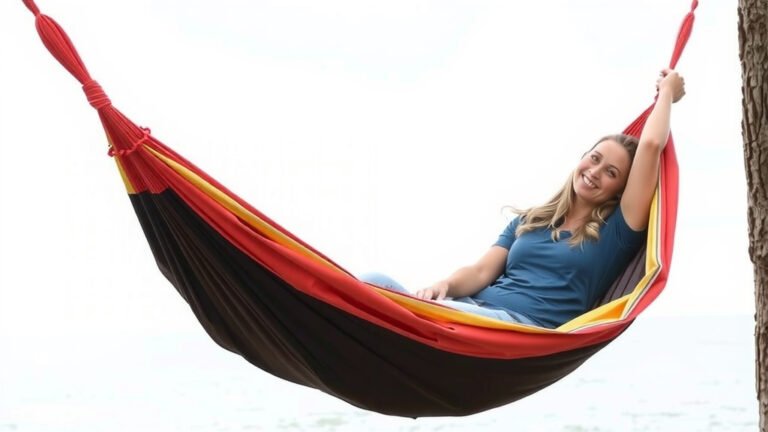
These are the soft, gathered-end hammocks. They contour to your body for a super cozy experience. They are generally more versatile and can often fit on a wider range of stands. The key here is ensuring the stand has strong, secure hanging points that allow the hammock to drape naturally.
We found that if you have a spreader bar hammock, you absolutely must check the stand’s specifications for compatibility. For non-spreader bar hammocks, the stand just needs to offer sturdy anchor points at the correct height and distance apart.
Portability and Storage: Your On-the-Go Oasis
Do you envision your hammock stand being a permanent fixture on your deck, or do you want to move it around? Perhaps you want to take it camping or to the beach?
For portability, look for stands made of lightweight materials like aluminum, or those designed to fold up compactly. Many metal stands break down into several pieces, making them easy to store in a car trunk or a shed. Wood stands are typically heavier and less portable, often considered more of a stationary piece.
Assembly and Durability: Building Your Dream Spot
How easy is the stand to put together? Some metal stands require no tools and can be assembled in minutes. Others might need a few bolts tightened. Wood stands often come partially assembled or require more involved construction.
Durability goes hand-in-hand with material and construction. We found that well-constructed metal stands, especially those with a good finish, tend to last for many years with minimal upkeep. Wooden stands require more regular maintenance, like re-staining or sealing, to keep them looking their best and prevent rot.
Making Your Final Choice: A Quick Checklist
Ready to narrow down your options? Here’s a quick way to review what’s important:
- Your Hammock: What type do you have (spreader bar or gathered end)?
- Weight Limit: Ensure it’s safely above your needs.
- Material Preference: Metal for durability, wood for aesthetics?
- Portability Needs: Will it stay put or travel with you?
- Space Available: Measure your intended spot.
- Assembly Ease: How much work are you willing to do?
Conclusion
You’ve learned that choosing a hammock stand boils down to matching it with your hammock type and lifestyle. We found that considering the material, weight capacity, and whether you need portability are your key decision points. Don’t forget to check compatibility with spreader bar versus non-spreader bar hammocks for a perfect fit.
Now that you have the knowledge, it’s time to take action! Measure your space, review your hammock’s needs, and browse the options. You’re just a few steps away from enjoying your very own backyard oasis.
Frequently Asked Questions
What’s the difference between a metal and wood hammock stand?
Metal stands are generally more durable and often lighter, making them easier to move if needed. Wood stands offer a classic, natural aesthetic but can be heavier and require more maintenance to protect them from the elements. We found both have their unique advantages.
How do I know if a stand will fit my spreader bar hammock?
You’ll need to check the stand’s specifications for the distance between its hanging points. This distance should closely match the width of your spreader bar hammock. If it’s too wide or too narrow, your hammock won’t hang properly. We found this is a common compatibility issue to watch for.
Is a higher weight capacity always better?
Yes, a higher weight capacity provides an extra safety margin, especially if multiple people might use the hammock or if you just want added peace of mind. We found it’s wise to choose a stand that comfortably exceeds the combined weight of the heaviest expected user and the hammock itself.
Can I leave my hammock stand outside all year?
It depends on the material and finish. Metal stands with good powder coating can often withstand outdoor conditions better than untreated wood. For wooden stands, or even metal ones in harsh climates, covering or storing them during severe weather will extend their lifespan. We found regular maintenance helps significantly.
Which type of hammock stand is easiest to assemble?
Many modern metal hammock stands are designed for tool-free assembly and can be set up in minutes. Some wood stands may require more involved construction. If ease of assembly is a top priority, look for descriptions that mention simple setup or no tools required. We found this varies greatly by brand and model.