
Hammock Height Guide: Find Your Perfect Relaxing Spot
The best height for a hammock is generally about halfway between the trees or posts you’re hanging it from. Think of it as a sweet spot that allows for a comfortable sag. Getting this hammock height right means you’ll be able to easily get in and out without feeling like you’re diving or climbing a mountain.
Finding that perfect hammock height can truly transform your relaxation. Too high, and it’s awkward to enter. Too low, and you might find yourself dragging on the ground. We’ve found that a few inches can make a huge difference in comfort and overall hammock enjoyment for your backyard oasis.
- Hammock height is key for comfort.
- Aim for the hammock to be about half the distance between your anchor points.
- The hang should be gentle, not stiff.
- You should be able to sit down without struggling.
- A little sag is good, but not too much!
Let’s get your hammock hanging just right so you can start relaxing. We’ll walk you through the simple steps to find your ideal hammock height.
You’ve got your hammock, you’ve picked your trees or posts, and you’re ready to embrace ultimate relaxation. But wait! Before you string it up, let’s talk about height. Getting the perfect hammock height is more than just a detail; it’s the key to a truly comfortable and enjoyable hang. We’ve all been there – trying to get into a hammock that’s too high or too low. It’s not the chill vibe you were going for, right?
Hanging Your Hammock Just Right
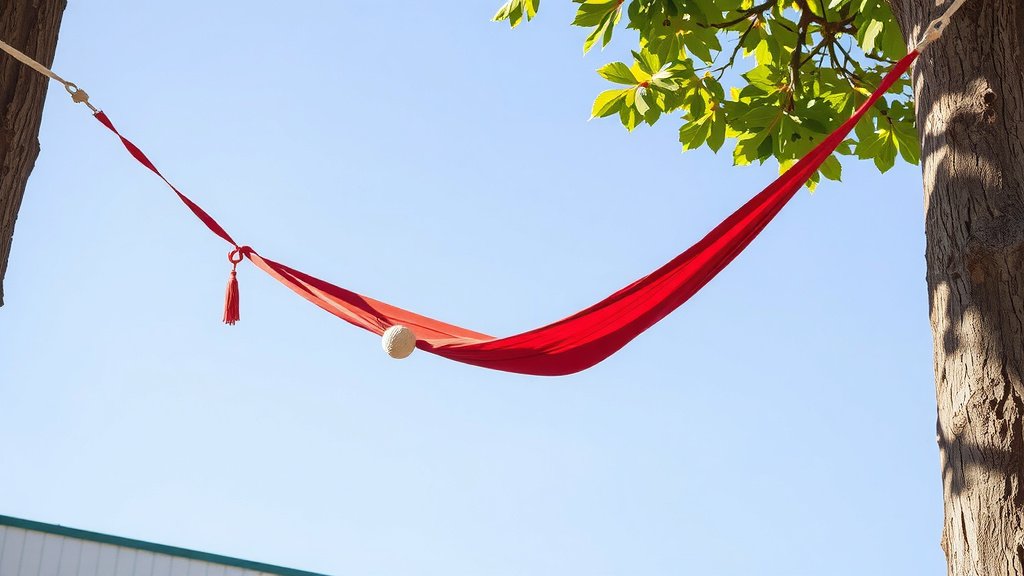
Finding the sweet spot for your hammock height is all about achieving that ideal sag. This isn’t about pulling your hammock taut like a drum. A little bit of a curve is exactly what you want. Think of it like a gentle smile, not a grimace!
The Magic Ratio: Half the Distance
Many hammock enthusiasts and manufacturers agree on a general rule. Aim to hang your hammock at about half the distance between your anchor points. So, if your trees are 10 feet apart, you’d aim for your hammock’s ridgeline (the center) to be about 5 feet off the ground when empty. This creates a nice, gentle curve.
Why does this work? This ratio helps distribute your weight evenly. It prevents the hammock from feeling too stiff or too much like a shallow bowl. You want to be able to sink into it, not bounce off. This height makes entry and exit so much easier, too. No more tricky maneuvers!
Why the Right Height Matters So Much
Let’s break down why this height detail is so important for your comfort.
Comfort and Ease of Use
When your hammock is at the right height, getting in and out feels natural. You can simply sit down. Your feet can touch the ground easily for balance. This is especially important if you have mobility issues or if you’re sharing your hammock with guests who might not be as experienced. We found that a few inches can really make a big difference in accessibility.
Preventing Ground Drag
A hammock that’s too low is a recipe for disaster – or at least, a dirty hammock. You’ll constantly be dragging on the ground. This is not only uncomfortable but also wears out your hammock fabric faster. We found that the “halfway” rule helps keep your hammock well above the dirt and debris.
Achieving the Perfect Sag
The ideal hammock sag is often described as having about a 25-30 degree angle where the hammock attaches to your suspension system. This angle is achieved by finding that sweet spot in height and distance between your anchor points. Too high, and the angle becomes too steep. Too low, and it’s too flat. This perfect sag cradles your body, distributing your weight and eliminating pressure points. Research suggests that proper support is key for comfort and preventing strain (National Center for Health Statistics).
Understanding Your Anchor Points
The distance between your trees or posts is your starting point. Let’s call this your ‘span.’ Your hammock’s total length also plays a role, but the span is more critical for determining height.
Short Spans (Under 8 Feet)
If your anchor points are close together, you might need to hang your hammock a bit lower than the “halfway” rule suggests. For very short spans, say 6-8 feet, aim for the hammock’s ridgeline to be around 3-4 feet off the ground. This ensures you still get a good sag without feeling like you’re in a tight little sling. You’ll likely need shorter suspension straps or webbing for these.
Medium Spans (8-12 Feet)
This is the sweet spot where the “halfway” rule often works perfectly. If your trees are 10 feet apart, hang the center about 5 feet up. You should have plenty of room to adjust your suspension for that ideal sag. Many standard hammock suspension systems are designed with this span in mind.
Long Spans (Over 12 Feet)
For longer distances, you might hang your hammock slightly higher than the exact halfway point. Or, you might need longer suspension straps to achieve the correct sag. The key is to focus on that 25-30 degree hang angle. You may find yourself needing to experiment a bit more with suspension length. We found that longer spans can sometimes make it trickier to get the tension just right.
Adjusting for Hammock Type and Suspension
Not all hammocks and suspension systems are created equal. Your specific gear will influence the ideal setup.
Different Hammock Styles
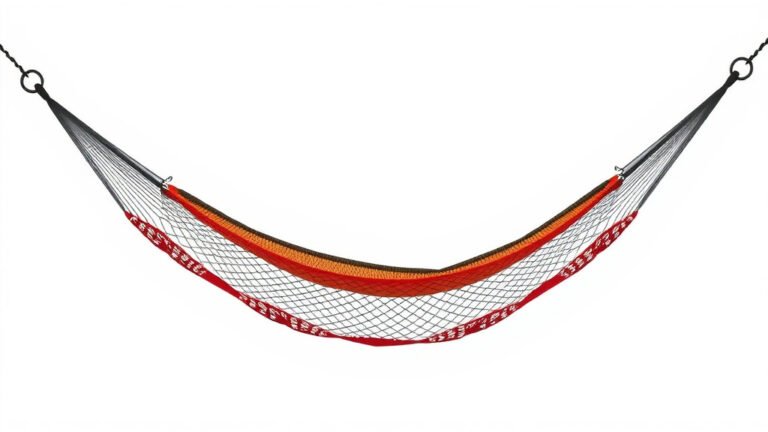
Camping hammocks are typically lighter and often designed for a more pronounced sag. They can handle a bit more curve. Gathered-end hammocks, which are very common, rely on that gathered fabric at each end to form the cocoon. These need that gentle sag to work properly. Spreader bar hammocks are different; they have wooden or metal bars to keep the fabric spread out. These should be hung higher, closer to taut, so the bars don’t dig into you.
Suspension Systems
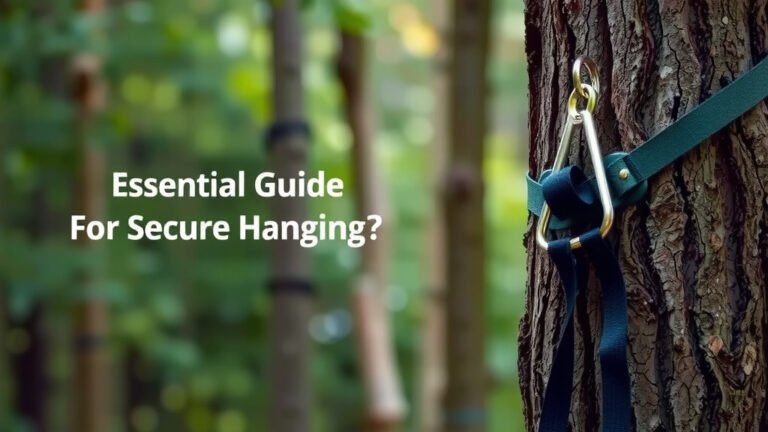
How you attach your hammock matters. Tree straps are common and offer adjustability. Whoopie slings allow for fine-tuning. Carabiners provide quick connections. If your suspension system has a lot of built-in adjustability, you have more freedom to dial in that perfect height and sag.
We found that adjustable suspension systems are a real game-changer for finding your ideal hang. They let you make small adjustments easily. This is much better than having to re-tie knots constantly.
A Simple Checklist for Your First Hang
Ready to find your perfect spot? Follow these quick steps:
- Measure the distance between your anchor points (your span).
- Mentally divide that distance in half. This is your target ridgeline height.
- Use your suspension system to hang the hammock.
- Check the sag: Aim for a gentle curve, about 25-30 degrees at the attachment points.
- Test it out! Sit down slowly. Can you get in and out easily?
- Make small adjustments to height and tension until it feels just right.
What If It’s Not Quite Right? Quick Fixes
Don’t worry if your first attempt isn’t perfect. Hammock hanging is a skill!
- Too High? Lower your anchor points slightly, or adjust your suspension to bring the hammock down.
- Too Low? Raise your anchor points, or lengthen your suspension. You might need longer straps.
- Too Stiff? You might have hung it too high, or your suspension is too tight. Loosen it up.
- Too Saggy (dragging)? You probably hung it too low, or your suspension is too loose. Tighten it.
Most modern hammocks and suspension systems are quite forgiving. A few minor tweaks are usually all it takes to find that ultimate comfort zone. Enjoy your perfectly hung hammock!
Conclusion
Finding the best height for your hammock is all about achieving that perfect, comforting sag. Remember, the general rule of thumb is to hang your hammock about halfway between your anchor points. This simple guideline helps ensure you can easily get in and out while preventing uncomfortable ground drag. Don’t be afraid to experiment a little with your suspension system. A few small adjustments can make a world of difference in transforming your hammock into your favorite spot for relaxation. So, take these tips and go hang your hammock – your perfect backyard escape awaits!
Frequently Asked Questions
How high should my hammock be if I don’t have trees?
If you’re using hammock stands or posts, the principle remains similar. Measure the distance between your stands or posts and aim to hang your hammock at about half that distance. This ensures you still achieve that ideal sag and comfortable entry.
What if my hammock sags too much and touches the ground?
If your hammock is dragging, it’s likely hung too low. You’ll need to raise your anchor points or adjust your suspension system to shorten the hammock’s hang. We found that even a few inches higher can prevent ground contact and wear.
Can I hang my hammock too tightly?
Yes, hanging a hammock too taut is a common mistake. It creates a stiff, uncomfortable ride and can even be harder to get into. Hammocks are designed to have a gentle curve for optimal comfort, so aim for that relaxed sag.
Does the type of hammock material affect the ideal height?
Generally, the height recommendation focuses on the structure and how you sit in it. While some materials might stretch more than others, the “halfway” rule and desired sag remain good starting points. You might find you need to adjust slightly based on the material’s flexibility.
How do I know if my hammock hang angle is correct?
The ideal hang angle is about 25-30 degrees where the suspension meets the hammock. You can visually estimate this. If your hammock forms a deep, comfortable curve when you sit in it, you’re likely in the right range. If it’s too flat or too steep, adjust your height accordingly.