What Is a No-See-Um Net: Your Definitive Guide
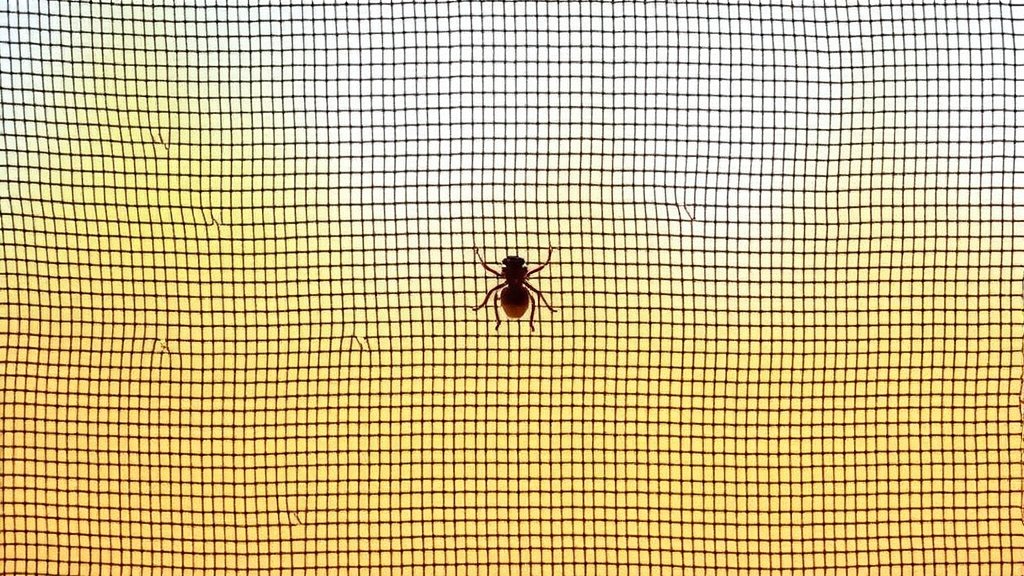
A no-see-um net is a fine mesh screen designed to block tiny biting insects, often called “no-see-ums” or midges. These nets are typically used on windows, doors, and porches to keep your living space comfortable. They prevent these nearly invisible pests from entering your home while still allowing for airflow.
You’ll often find these screens in areas where these small biting insects are common. Think coastal regions or humid environments where they thrive. A good no-see-um screen offers a practical barrier against itchy bites. It helps you enjoy your outdoor spaces without constant swatting.
- What is a no-see-um net?
- It’s a very fine mesh screen.
- Its job is to block tiny biting insects.
- You’ll find them on windows, doors, and porches.
- They let air in but keep bugs out.
Ready to understand how these screens work and if they’re the right solution for your bug problems? Let’s get into the details.
Understanding No-See-Um Screens: Your Defense Against Tiny Pests
So, you’re dealing with those tiny, biting pests that seem to appear out of nowhere? You know, the ones you can’t quite see but definitely feel? These little nuisances are often called “no-see-ums” or midges. A no-see-um net is your secret weapon against them. It’s a specialized screen designed with an incredibly fine mesh. This tight weave is key to its effectiveness.
Think of it like a super-fine sieve for bugs. Regular window screens might stop larger insects like flies and mosquitoes. But no-see-ums? They’re too small for those. A no-see-um screen acts as a physical barrier. It stops these minuscule pests from entering your home. This means you can enjoy your porch, patio, or even just open windows without the constant fear of itchy bites.
How Does a No-See-Um Net Work?
The magic is in the mesh size. No-see-um nets have a much finer mesh than standard screens. This means there are more strands of material packed into every inch. The holes between these strands are incredibly small. They’re typically around 20×20 threads per inch, or even finer (like 24×24 or 32×32). This tighter weave effectively traps pests that are only a millimeter or two in size.
When air passes through, it can still flow freely. This is important because you still want ventilation. But the tiny no-see-ums get stopped in their tracks. It’s a simple, yet brilliant, solution to a very annoying problem. Many experts agree that physical barriers are the first line of defense against biting insects (CDC).
Where Do You Need No-See-Um Screens?
You’ll often find that no-see-ums are more prevalent in certain environments. They love warm, humid conditions. Coastal areas are a prime spot for them. They also thrive near bodies of still water, like ponds, marshes, and even slow-moving rivers. If you live in a region with these characteristics, you’ve probably encountered these pests.
Many homeowners in Florida, the Carolinas, the Gulf Coast, and even parts of the Pacific Northwest might find these screens essential. Even if you don’t live in a traditionally “buggy” area, you might experience them seasonally. Perhaps after heavy rains or during specific times of the year. If you’re looking to enjoy your outdoor living spaces, like screened-in porches or lanais, without the constant battle, then these screens are a game-changer.
What Are They Made Of?
No-see-um nets are typically made from durable materials. Common options include:
- Fiberglass: This is a very common and affordable choice. It’s flexible and resistant to corrosion.
- Aluminum: Aluminum screens are strong and durable. They offer excellent longevity.
- Polyester: Some high-end options use polyester. It can be incredibly strong and resistant to tearing.
- Vinyl-coated fiberglass: This offers a good balance of strength, flexibility, and affordability.
The material choice often affects the durability and cost. Fiberglass is a great all-around option for most homeowners. Aluminum might be better if you need extreme strength. The goal is to find a material that is tough enough to withstand the elements and any accidental bumps, while still maintaining that incredibly fine mesh.
Comparing No-See-Um Screens to Regular Screens
It’s easy to get confused between regular window screens and those designed for no-see-ums. Let’s break down the key differences so you can choose the right one for your needs. It’s not just a small detail; it makes a big difference in keeping those pests out.
Mesh Size Matters
This is the most significant difference. A standard window screen typically has a mesh size of around 18×14 threads per inch. This is designed to stop larger insects like mosquitoes and flies. No-see-um screens, as we’ve discussed, need a much finer weave. We’re talking 20×20, 24×24, or even 32×32 threads per inch. This tiny difference in mesh density is what makes them effective against those nearly invisible biters.
Visibility and Airflow
Because the mesh is finer, no-see-um screens can sometimes appear slightly less transparent than regular screens. However, the best ones are engineered to minimize this effect. You’ll find that good quality no-see-um screens still allow for excellent airflow. Some brands even market their screens as having “enhanced visibility” or “maximum airflow.” So, while the mesh is tighter, your view and the breeze shouldn’t be significantly compromised.
Durability and Strength
While a finer mesh might sound delicate, many no-see-um screens are made from strong materials like heavy-duty fiberglass or aluminum. They are designed to be just as durable, if not more so, than standard screens. Some materials, like polyester, are exceptionally strong and resistant to tears and punctures. You want a screen that can withstand the weather and accidental bumps, especially if you have pets or children.
| Feature | Standard Screen | No-See-Um Screen |
|---|---|---|
| Mesh Size | Approx. 18×14 threads/inch | 20×20, 24×24, or 32×32 threads/inch |
| Effective Against | Mosquitoes, flies | No-see-ums, gnats, midges, mosquitoes |
| Visibility | Generally clear | Slightly less clear, but good options exist |
| Airflow | Good | Good, especially with modern designs |
| Common Materials | Fiberglass, aluminum | Fiberglass, aluminum, polyester |
Choosing the Right No-See-Um Net for You
Ready to make the switch or install new screens? Here’s a quick checklist to help you decide. It’s about finding the perfect balance for your home and your bug problem.
What to Consider:
- Your Location: Are no-see-ums a major problem where you live?
- Mesh Density: Aim for 20×20 or finer for true no-see-um protection.
- Material: Fiberglass is good, but consider polyester or aluminum for extra durability.
- Airflow vs. Protection: How much airflow do you need versus bug protection?
- Visibility: Do you want a clear view, or is blocking pests the top priority?
- Installation: Are you installing these yourself or hiring a professional?
Many homeowners find that investing in quality no-see-um screens is well worth the peace of mind. It allows you to truly enjoy your home, both inside and out, without the constant irritation of tiny biting insects. Research suggests that controlling insect populations often requires multiple strategies, and screens are a highly effective part of that (NIH). So, by upgrading your screens, you’re taking a big step toward a more comfortable living environment.
Conclusion
You’ve learned that a no-see-um net is your ultimate defense against those tiny, irritating biting insects. Its ultra-fine mesh creates a barrier that keeps pests out while letting fresh air in. Whether you’re in a humid coastal area or just want to enjoy your screened porch more, these screens offer a practical solution. By understanding the mesh size, materials, and how they differ from regular screens, you can make an informed choice. Now, take the next step: assess your bug problem and consider upgrading to no-see-um screens for a more comfortable home environment.
Frequently Asked Questions
Can I use no-see-um nets on any window or door?
Yes, you generally can install no-see-um nets on most standard windows and doors. They can be fitted into existing screen frames or used for custom screen installations. Just ensure you measure carefully to get the right fit for your openings.
Will no-see-um screens block my view or reduce airflow too much?
While the mesh is finer, good quality no-see-um screens are designed to maintain visibility and airflow. Some modern options even offer enhanced visibility features. You might notice a slight difference, but it’s usually minimal compared to the benefit of keeping pests out.
How do I clean and maintain my no-see-um screens?
Cleaning is usually straightforward. You can gently wash them with mild soap and water using a soft brush or cloth. Rinse thoroughly and let them air dry completely. Avoid using harsh chemicals or abrasive materials that could damage the fine mesh.
Are no-see-um screens more expensive than regular window screens?
Generally, no-see-um screens can be slightly more expensive due to the finer mesh and potentially more durable materials used. However, the cost difference is often modest, and many find the added protection and comfort are well worth the investment.
What’s the difference between a “no-see-um screen” and a “privacy screen”?
A no-see-um screen is specifically designed with a very fine mesh to block tiny insects. A privacy screen, on the other hand, is typically made with a tighter weave or a special coating to obstruct views from the outside, offering more seclusion rather than insect protection.