Is a Hammock Safe for a Baby Yes or No
No, a hammock is generally not safe for unsupervised baby sleep. While they might seem cozy, hammocks can pose risks like suffocation and falls if your baby isn’t properly supported. Experts advise against using them as a regular sleeping surface for infants.
There’s a lot of buzz about alternative baby sleep solutions. You might wonder if a hammock is a good choice for your little one. Research shows that while some baby hammocks are designed for supervised use, they lack the firm, flat surface recommended by sleep safety guidelines.
- Hammocks are generally not recommended for safe baby sleep.
- Risks include suffocation and falls.
- Always follow safe sleep guidelines for infants.
- Consult your pediatrician for personalized advice.
We’ve gathered information on why hammocks may not be ideal and what safer sleep alternatives exist. Let’s break down what you need to know to keep your baby safe and sound.
You’re likely here because you’re exploring all the options for your baby’s sleep. Maybe you’ve seen cute pictures of babies in soft, cradling hammocks and wondered if it’s a good idea. It’s natural to want the coziest spot for your little one. Let’s look closely at whether baby hammocks are a safe bet for sleep.
Examining Hammock Use for Baby Sleep
So, are baby hammocks a safe place for your baby to sleep? The short answer, based on current sleep safety recommendations, is no, they are generally not considered safe for unsupervised sleep.
Why Safety Guidelines Advise Against Hammocks for Sleep
When we talk about baby sleep safety, the main goal is to prevent Sudden Infant Death Syndrome (SIDS) and accidental suffocation. Experts and organizations like the American Academy of Pediatrics (AAP) provide guidelines for safe sleep environments. These guidelines focus on a few key things.
The Importance of a Firm, Flat Sleep Surface
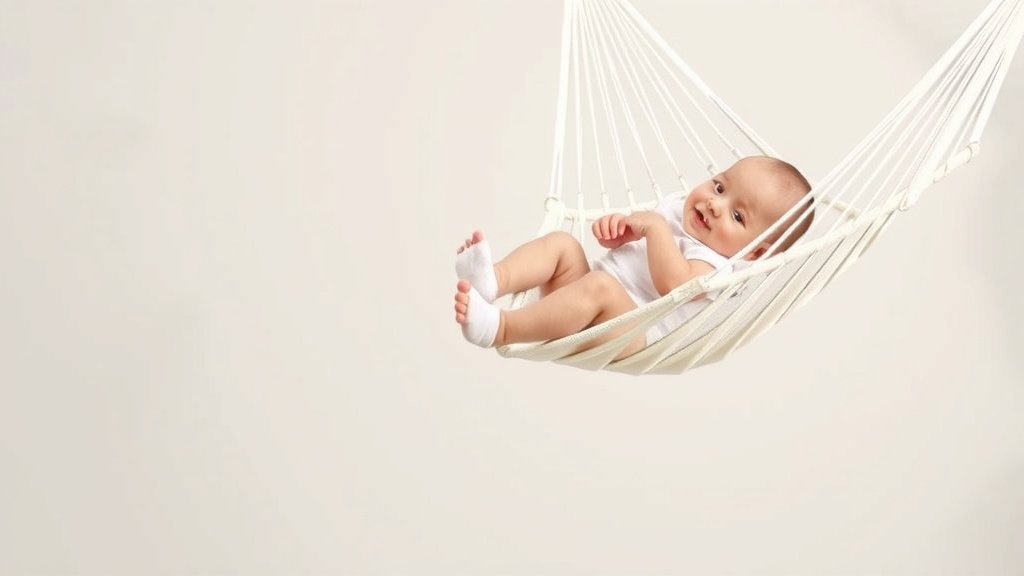
A firm, flat sleep surface is the cornerstone of safe baby sleep. Think of a crib mattress or a bassinet pad. These surfaces are designed to keep your baby’s airway open. They prevent their face from sinking into the mattress. Hammocks, by their very nature, are soft and curved. This shape can easily mold around your baby’s head. If your baby rolls onto their stomach, their face could become pressed into the hammock material. This makes it difficult to breathe. Research consistently points to this risk.
The Risk of Suffocation and Entrapment
Beyond the risk of sinking in, hammocks can also pose suffocation hazards. The flexible fabric can create a pocket. Your baby’s face could get trapped against this material. There’s also a risk of entrapment. Babies can get wedged between the hammock fabric and its frame or suspension points. This can restrict their breathing. We’ve seen reports where this has happened, making it a serious concern for parents.
Falls and Unstable Positions
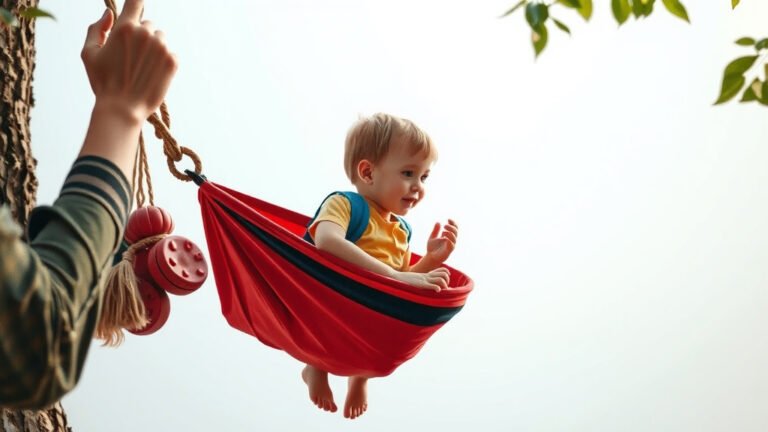
Hammocks can also be unstable. Babies are wiggly! Even when swaddled, they can shift their weight. This shifting can cause the hammock to tilt or move unexpectedly. Your baby could potentially fall out of the hammock. Even if they don’t fall completely, a tilted position isn’t ideal for their developing spine or for breathing. Keeping your baby secure and on their back is key, and hammocks don’t always guarantee this.
What Do the Experts Say?
Many health organizations and pediatricians strongly advise against using hammocks, slings, or other soft, yielding surfaces for baby sleep. The consensus is that these items are not designed to meet the safety standards for unsupervised infant sleep. They often lack the necessary firmness and flatness. You might see some products marketed as “baby hammocks” that resemble upright inclined sleepers. However, inclined sleepers themselves have also come under scrutiny for safety concerns.
Understanding Safe Baby Sleep Recommendations
Knowing what is considered safe is just as important as knowing what isn’t. The AAP’s guidelines are widely recognized and aim to reduce the risk of sleep-related infant deaths. Let’s quickly recap the basics of a safe sleep environment.
The ABCs of Safe Sleep
You’ve probably heard of the “ABCs.” They’re a great reminder:
- Alone: Your baby should sleep alone, without other people or pets in the sleep space.
- Back: Always place your baby on their back to sleep for every sleep, including naps.
- Crib: Your baby should sleep in a crib, bassinet, or play yard that meets safety standards.
Key Features of a Safe Sleep Space
A safe sleep space has a few essential qualities. It’s typically:
- Firm and Flat: As we’ve discussed, this is critical for open airways.
- Clear: No loose bedding, blankets, pillows, bumpers, or stuffed animals. These are suffocation hazards.
- In Your Room: The AAP recommends room-sharing (baby in their own safe sleep space in your room) for at least the first six months.
These simple guidelines create a safer environment, minimizing many of the risks associated with alternative sleep products.
Safer Alternatives to Hammocks for Baby Sleep
If a hammock isn’t the way to go for sleep, what are your other options? Thankfully, there are many products designed with infant safety and comfort in mind.
The Classic Crib or Bassinet
These are the gold standard for a reason. A well-made crib or bassinet provides a firm, flat sleep surface. They have high sides to prevent falls. Make sure any mattress you use fits snugly with no gaps. Keep the area around the crib clear. This is the most recommended option for parents.
Approved Baby Loungers and Sleepers (with caveats!)
You might see various baby loungers or portable sleepers. Some are designed for supervised lounging, not for unsupervised sleep. If you consider these, look for products that are actively recommended and certified by safety organizations. Always supervise your baby when they are in these products. And critically, check the manufacturer’s instructions. They will often state that these are not for unsupervised sleep. It’s easy to mistake a lounging spot for a sleeping spot.
Baby Swings and Bouncers: Use with Caution
Swings and bouncers can be helpful for soothing babies. However, they are not safe for sleep. The inclined position can cause a baby’s head to fall forward. This can restrict their airway. Never let your baby sleep in a swing or bouncer. If your baby falls asleep in one, move them to their safe sleep space as soon as possible.
When in Doubt, Ask Your Pediatrician
Navigating baby products can feel overwhelming. You might see things marketed as “safe” that don’t align with expert advice. Your pediatrician is your best resource. They can offer personalized guidance based on your baby’s needs and the latest safety research. Don’t hesitate to bring up any product you’re considering. They can help you understand the risks and benefits.
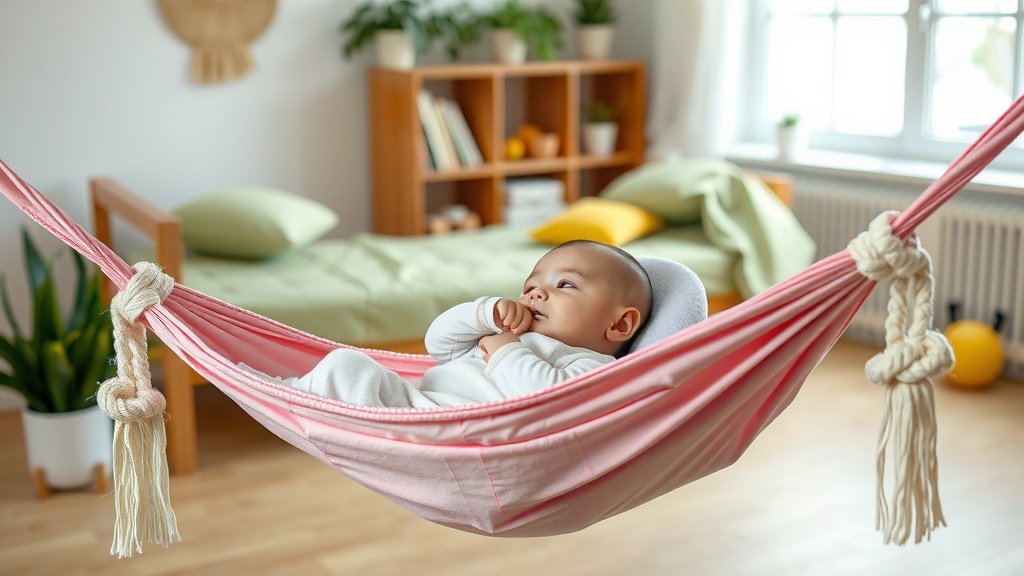
Making the Right Choice for Your Baby’s Sleep
Choosing a safe sleep environment is one of the most important decisions you’ll make as a parent. While the idea of a cozy hammock might be appealing, the risks associated with them for unsupervised sleep are significant. By sticking to firm, flat surfaces and following established safe sleep guidelines, you can create a secure environment for your baby.
Checklist for Safe Sleep Choices:
- Use only firm, flat sleep surfaces.
- Always place baby on their back.
- Keep sleep space clear of all soft items.
- Ensure baby sleeps alone in their own space.
- Room-share for at least the first six months.
- Consult your pediatrician with any questions.
Prioritizing safety means making informed choices. You’ve got this!
Conclusion
You’ve learned that while baby hammocks might seem inviting, they don’t meet the safety standards for infant sleep. The biggest concerns are suffocation and falls due to the hammock’s soft, curved surface. Always prioritize a firm, flat sleep space like a crib or bassinet. This ensures your baby’s airway stays open and reduces risks like SIDS. To keep your little one safe, stick to the ABCs of safe sleep and consult your pediatrician if you have any product questions.
Frequently Asked Questions
Are baby hammocks ever safe for napping?
Even for short naps, unsupervised use of a baby hammock for sleep is not recommended. The risks of suffocation or falls remain present. If you choose to use a hammock, it should only be for supervised awake time, never for sleep.
Can a baby get trapped in a hammock?
Yes, there is a risk of entrapment. Babies can become wedged between the hammock’s fabric and its frame or suspension points. This can restrict their breathing and poses a serious safety hazard.
What’s the main difference between a hammock and a safe sleep surface?
The primary difference is firmness and flatness. Safe sleep surfaces like crib mattresses are firm and flat to keep airways open. Hammocks are soft and curved, which can easily mold around a baby’s face, making it difficult to breathe if they roll over.
Are there any baby hammocks that are considered safe for sleep?
Currently, major health and safety organizations do not recommend any type of hammock for unsupervised baby sleep. The design inherently conflicts with the need for a firm, flat surface to prevent sleep-related risks.
What should I do if my baby falls asleep in a hammock?
If your baby falls asleep in a hammock, gently move them to their safe sleep space as soon as you notice. This means placing them on their back in a crib or bassinet that is clear of any soft bedding.