Taming the Wind: How to Set Up a Hammock Safely
Yes, you can absolutely set up a hammock in the wind! The key is to use sturdy anchors and create a taut setup. A little wind can make your hammock feel even more relaxing. We’ll show you how to do it safely and comfortably.
When a breeze picks up, your hammock can become a bit of a kite. This might seem tricky, but with the right techniques, you can still enjoy your hang. It’s all about managing the forces and making sure your suspension is secure and well-balanced.
- Find strong anchor points like sturdy trees or posts.
- Use a suspension system that allows for tension adjustment.
- Angle your hammock slightly more towards the ground.
- Consider using extra guy lines for added stability.
Ready to learn the best ways to get your hammock up and stable, even when the wind tries to have its own fun? Let’s walk through how to make it happen.
“`htmlSecuring Your Hammock When the Wind Blows
Setting up a hammock when it’s windy might sound like a challenge, but it’s totally doable! You just need to be smart about your anchors and how you tension your setup. A little breeze can actually make your hammock experience even more refreshing. We’ll guide you through making sure your hammock stays put and feels cozy, not like a runaway sail.
Choosing the Right Anchors in Windy Conditions
The wind will test your anchor points, so they need to be rock solid. Think of your anchor points as the legs of your hammock setup; if they’re wobbly, the whole thing will feel unstable.
What Makes a Good Anchor Point?
You want to look for trees that are at least 6 inches in diameter. Thinner trees can bend or even break under stress, especially with the added force of wind pushing on your hammock. Also, check the roots; if the ground around the tree looks loose or the tree itself leans a lot, it’s probably not a good choice. You’re aiming for healthy, mature trees with strong root systems.
Alternatives to Trees
What if there aren’t any perfect trees around? You can use sturdy posts or structural elements. Look for metal or very thick, solid wooden posts that are deeply set in the ground. Even a strong, bolted-down deck railing might work in a pinch, but always test its stability first. You want something that won’t budge, no matter how hard the wind blows. Many experts suggest that a well-installed 4×4 post set in concrete can be a reliable anchor (This is common practice in backyard setups).
Tensioning Your Hammock for Stability
Getting the right tension is key to preventing your hammock from swaying excessively or feeling like it’s about to lift off. You want it taut, but not so tight that it feels uncomfortable.
The “Sit Test” for Proper Tension
When you’re in your hammock, you should have a nice, comforting sag. The middle of your hammock should be about 18 inches off the ground when you’re sitting in it. Research suggests this amount of sag provides the best weight distribution and comfort. If it feels too tight, you’ll feel pressure points. If it’s too loose, the wind can catch it more easily.
Adjusting with Your Suspension System
Most modern hammocks come with suspension systems that allow for easy adjustments. Look for systems with carabiners, whoopie slings, or adjustable straps. These let you fine-tune the tension quickly. If you find your hammock is too loose after the wind picks up, you can easily add a bit more tension. Keeping your suspension system well-maintained is also important.
Adding Extra Support with Guy Lines
Guy lines are your secret weapon against strong winds. They act like extra hands holding your hammock down, preventing it from lifting or excessive swaying.
What Are Guy Lines?
Guy lines are simply extra ropes or cords that you can attach to your hammock or its suspension system and then anchor to the ground. They provide lateral stability, which is super helpful when the wind is blowing from the side.
How to Set Up Guy Lines
You can attach a guy line to each end of your hammock, or even to the suspension straps where they meet the tree. Run these lines out at an angle away from your hammock and secure them with stakes or by tying them to nearby sturdy objects like smaller trees or large rocks. The goal is to create a triangle of tension. Many camping guides recommend using stakes specifically designed for wind to ensure they hold firm in the ground. You’re essentially creating a wider, more stable base for your hang.

Positioning Your Hammock Strategically
Where you place your hammock relative to the wind can make a big difference. You can sometimes use the natural environment to your advantage.
Using Natural Windbreaks
If possible, set up your hammock behind a natural windbreak. This could be a cluster of trees, a large rock formation, or even a hill. These features can help deflect some of the wind’s force, making your hang much more peaceful. Think of it like parking your car on the leeward side of a building during a storm.
Angling for Comfort
Sometimes, angling your hammock slightly towards the ground can help. This might seem counterintuitive, but a slight downward angle can make it harder for the wind to get underneath and lift the hammock. Experiment with the angle; you still want it to be comfortable for lying down, but a little less “sail-like” can be beneficial.
Pre-Trip Checklist for Windy Hammocking
Before you head out, run through this quick checklist to make sure you’re prepared for windy conditions:
- Inspect your hammock and suspension for any wear or damage.
- Confirm your anchor points are strong and healthy.
- Pack extra cordage for potential guy lines.
- Bring sturdy ground stakes if you plan to use guy lines.
- Practice setting up your hammock at home first to gauge tension.
- Check the weather forecast so you know what to expect.
Conclusion
You’ve learned how to set up your hammock securely, even when the wind tries to play. By choosing strong anchors and achieving the right tension, you can create a stable and relaxing space. Don’t forget the extra support from guy lines and smart positioning. With these techniques, you’re ready to enjoy your hammock hang, no matter the weather. Now go out there and find your perfect, stable spot!
Frequently Asked Questions
Can I use a hammock stand in windy conditions?
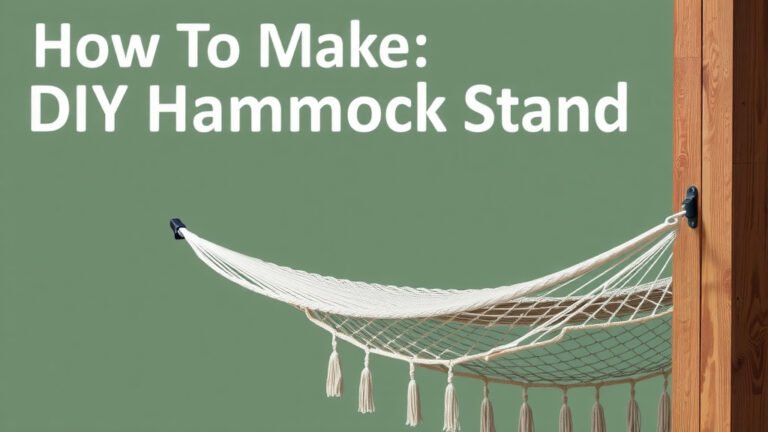
Yes, a sturdy hammock stand can be a good option if you lack strong anchor points. Ensure the stand is If you lack strong anchor points, a sturdy hammock stand can provide a stable base, even in windy conditions.heavy-duty and has a wide base for stability. You may still want to weigh down the base or use anchors if the wind is particularly strong to prevent it from tipping.
How tight should my hammock be in the wind?
You want your hammock to be taut, but still comfortable. Aim for the middle to be about 18 inches off the ground when you’re sitting in it. This provides good support and reduces the surface area for the wind to catch. Too tight and it’s uncomfortable; too loose and the wind can lift it.
What if I can’t find two strong trees the right distance apart?
If trees aren’t an option, consider setting up between two sturdy posts specifically designed for hammocks or strong fence posts. You can also use a single hammock with a stand. Always ensure your anchor points are solid and can withstand tension and wind gusts.
How do I know if my anchor trees are strong enough?
Look for trees with a diameter of at least 6 inches. Check for any signs of disease, rot, or leaning. If the ground around the base looks loose or the tree seems unhealthy, it’s best to find a different anchor point. A healthy, mature tree is your safest bet.
Is it safe to hammock during a thunderstorm?
No, it is never safe to use a hammock during a thunderstorm. Hammocks, especially those suspended between trees, can attract lightning. Always pack up your hammock and seek safe shelter indoors or in a vehicle when thunder and lightning are present.