How to Size a Hammock Stand for Perfect Comfort
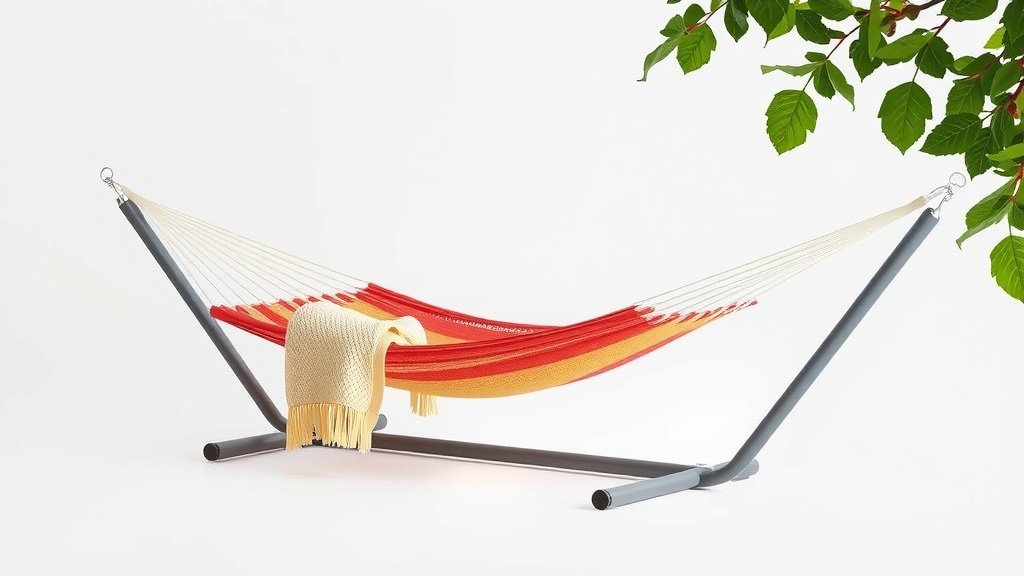
Sizing a hammock stand involves checking its weight capacity and ensuring it’s designed for the type and size of your hammock. You want to make sure the stand can safely support your hammock plus its occupants without tipping or breaking. Always confirm the stand’s dimensions match your hammock’s length for the best hang.
Choosing the right hammock stand is key to a relaxing experience. Many stands are built for specific hammock styles, like gathered-end or spreader-bar hammocks. We found that matching the stand’s dimensions and weight limits to your hammock prevents accidents and ensures lasting comfort.
- Check hammock stand weight capacity.
- Ensure stand fits your hammock size.
- Match stand dimensions to hammock length.
- Consider spreader bar vs. gathered end.
Let’s walk through exactly how to size your hammock stand to guarantee perfect relaxation.
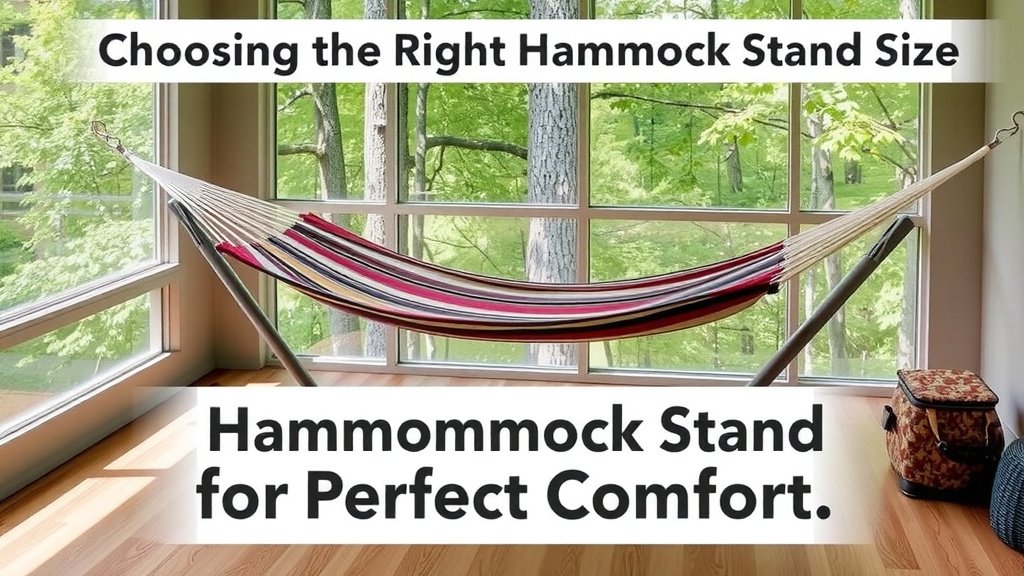
Choosing the Right Hammock Stand Size
Selecting the perfect hammock stand is all about matching it to your hammock and your needs. You want a stand that feels sturdy and looks good in your space. We found that paying attention to a few key details makes all the difference. This guide will help you size it just right.
Understanding Hammock Stand Weight Capacity
The most critical factor is the weight capacity of the hammock stand. This tells you how much weight it can safely hold. Think about who will be using the hammock and how. Will it be one person lounging, or two people sharing a cozy moment? Hammock stands have different limits.
Calculating Your Weight Needs
For a single person, consider your body weight plus a little extra for movement. If you plan on sharing, add the weights of the heaviest individuals who might use it. Many manufacturers recommend adding at least 50 pounds buffer for safety (Consumer Product Safety Commission).
What If the Stand Can’t Hold Enough Weight?
If a stand’s weight limit is too low, it can be dangerous. The stand could bend, break, or even tip over. This could lead to injuries. Always aim for a stand with a capacity well above your expected maximum load. It’s better to be safe than sorry.
Matching Stand Dimensions to Your Hammock
Beyond weight, the dimensions of the stand are super important. You need to make sure it physically fits your hammock. This is especially true for the length and the overall footprint of the stand.
Hammock Length vs. Stand Length
Hammocks come in various lengths. A stand needs to be long enough to properly support the entire hammock. If the stand is too short, your hammock will sag too much in the middle. This creates an uncomfortable, bunched-up feeling. We found that most hammock manufacturers suggest a stand length that is roughly 2-3 feet longer than the hammock’s total length when laid flat.
Spreader Bar vs. Gathered-End Hammocks
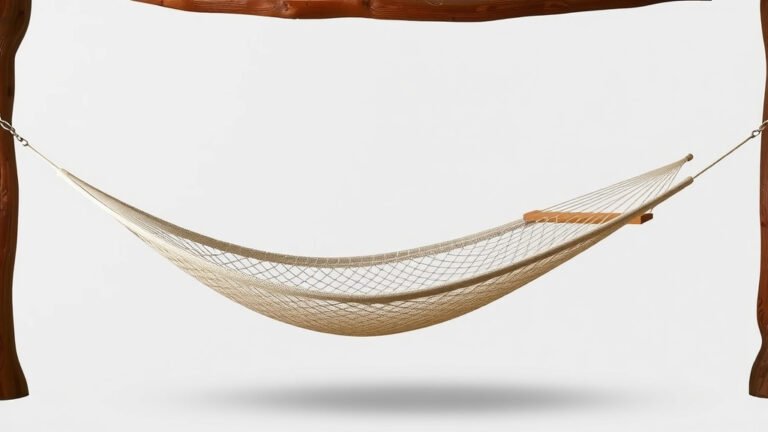
The type of hammock you have matters a lot. Spreader bar hammocks have wooden or metal bars at each end. These keep the hammock open and flat. Gathered-end hammocks have fabric gathered at the ends, creating a more curved, cocoon-like shape.
Spreader Bar Hammock Needs
Spreader bar hammocks usually need stands with specific anchor points. These points are often wider apart to accommodate the spreader bars. The stand should also be strong enough to keep the flat hammock from “flipping” or inverting itself. We found that stands designed for spreader bar hammocks often have a wider base for stability.
Gathered-End Hammock Needs
Gathered-end hammocks often fit better in a more curved “banana” shape. They typically require stands that allow for this gentle arc. The anchor points on these stands are often closer together than those for spreader bar models. This allows the hammock to hang freely.
Stand Footprint and Stability
The base of the hammock stand, or its footprint, affects stability. A wider base generally means more stability. This is crucial to prevent tipping. Think about where you’ll place your stand.
Indoor vs. Outdoor Use
If you plan to use your hammock stand outdoors, a wider, more robust base is a good idea. Uneven ground can be an issue. For indoor use, you might have more flexibility, but you still want to avoid scratching your floors. Some stands come with floor protectors.
Portability Considerations
Are you planning to move the stand often? Some stands are designed to be lightweight and portable, with foldable legs or a compact design. Others are heavier and more permanent. Consider how often you’ll be moving it when checking its overall size and build.
Material and Durability
Hammock stands are typically made from metal (steel or aluminum) or wood. Each has its pros and cons regarding weight capacity, durability, and aesthetics.
Metal Stands
Metal stands are often very strong and can have high weight capacities. Steel is generally stronger but heavier. Aluminum is lighter and resistant to rust, making it great for outdoor use. We found that well-constructed metal stands offer excellent durability.
Wooden Stands
Wooden stands offer a beautiful, natural look. They can be very sturdy if made from hardwood. However, wood requires more maintenance, especially if used outdoors. It needs protection from moisture and sunlight to prevent rot or warping. Many experts suggest regular sealing for wooden stands (Forest Products Laboratory).
Quick Hammock Stand Sizing Checklist
To make sure you’re getting the right stand, keep this quick checklist handy:
- Weight Capacity: Does it exceed your total expected user weight by at least 50 lbs?
- Hammock Type: Is it designed for spreader bar or gathered-end hammocks?
- Stand Length: Is it 2-3 feet longer than your hammock’s laid-out length?
- Footprint: Does the base look wide enough for stability?
- Material: Does the material suit your environment (indoor/outdoor) and maintenance preferences?
- Dimensions: Will the overall stand size fit your intended space?
Conclusion
You’ve now learned how to properly size a hammock stand for your perfect relaxation spot. Remember, matching the stand’s weight capacity to your needs and ensuring its dimensions suit your hammock type are key. Whether you have a spreader bar or gathered-end hammock, there’s a stand out there built for it. Always consider the footprint for stability and the material for durability. Now, take that checklist and go find the stand that will support your most comfortable moments!
Frequently Asked Questions
What’s the minimum distance between hammock stand hooks?
The ideal distance between hooks varies by hammock type. For gathered-end hammocks, the hooks are often closer together, allowing the fabric to drape. Spreader bar hammocks typically require wider hook spacing to accommodate the bars, which keeps the hammock flatter.
Can I use a hammock stand that’s much longer than my hammock?
Yes, a slightly longer stand is usually fine and can even improve comfort. It allows for a better hang and prevents the hammock from feeling too taut. However, an excessively long stand might look a bit awkward and could potentially reduce stability if it overhangs too much.
Does hammock stand material affect weight capacity?
Absolutely. Metal stands, especially steel, generally offer higher weight capacities than wooden stands. Aluminum stands are lighter but can still be very strong. Always check the manufacturer’s stated weight limit, as design and construction play a big role regardless of material.
How do I know if my hammock stand is stable enough?
A stable stand has a wide footprint relative to its height. It should feel solid and not wobble when you sit or lie down. For outdoor use on uneven surfaces, look for stands with adjustable feet or a wider base to compensate for ground variations.
Is it okay to exceed the weight limit on a hammock stand sometimes?
It’s never recommended to exceed the weight limit. Doing so puts stress on the stand’s materials and construction, increasing the risk of failure. This can lead to injury and damage to the stand. Always stay within the manufacturer’s specified limit for safety and longevity.