Why Is My Hammock Cold? Understanding the Chill Factor
Your hammock might feel cold because heat escapes easily from your body, especially when you’re lying on it. Hammocks are often made of breathable materials that don’t trap much warmth. This means the air moving through the fabric can carry your body heat away. This is especially noticeable during cooler weather or at night when temperatures drop.
Many people find their hammocks feel cooler than a traditional bed. This is largely due to the lack of insulation found in typical hammock designs. Unlike a mattress that provides a buffer, hammocks allow for more air circulation underneath and around you. This air movement, known as convection, is a major factor in why your hammock feels chilly.
- Cold hammocks happen due to heat loss.
- Breathable fabrics let air and heat escape.
- Lack of insulation compared to beds plays a role.
- Air circulation (convection) makes it feel cooler.
So, why does your hammock feel like a chilly breeze? We’ve gathered some common reasons and simple solutions for you.
Understanding Why Your Hammock Feels So Cold
You’re settling into your hammock, ready to relax, but you notice it’s surprisingly chilly. This is a common experience! Unlike a traditional mattress that provides a cozy buffer, hammocks often feel cooler. We’ve found several key reasons for this phenomenon, and thankfully, most are easy to address.
The Science of Heat Loss in Hammocks
Think of your hammock like a really comfortable, airy net. While wonderful for lounging, that airy design means heat doesn’t get trapped easily. Your body is a heat-generating machine, but when you lie in a hammock, there’s less material between you and the surrounding air. This allows for greater heat transfer. The air moving beneath and around you can carry your warmth away, making you feel cooler than you might expect. This is a natural process called convection.
Material Matters: Breathability and Heat Retention
The fabric of your hammock plays a huge role. Most hammocks are made from materials like nylon or polyester. These fabrics are chosen for their durability, light weight, and breathability. While great for preventing overheating on a hot day, this same breathability allows cool air to pass through. It doesn’t create the same kind of insulation that a thick mattress or duvet does. We found that even a slight breeze can significantly enhance this cooling effect.
Airflow: Your Hammock’s Built-in Cooling System
This is perhaps the biggest culprit: airflow. When you lie on a bed, the mattress beneath you offers resistance and reduces air movement. A hammock, by its nature, suspends you, allowing air to circulate freely underneath. This constant movement of air against your skin is what cools you down. It’s like having a gentle, built-in fan working all the time. We’ve heard many users describe it as feeling “drafty” even indoors.
The Convection Conundrum
Convection is the transfer of heat through the movement of fluids, like air. In your hammock, warm air near your body rises and is replaced by cooler air. This cycle happens continuously, drawing heat away from you. This is why hammocks often feel colder at night or in cooler weather when the ambient air is already at a lower temperature. It’s a constant exchange of heat.
Factors Contributing to a Chilly Hammock Experience
Ambient Temperature and Time of Day
When is your hammock feeling coldest? If it’s during the evening or overnight, the ambient temperature is likely the main reason. As the sun sets, the air temperature naturally drops. Your hammock, being less insulating than other furniture, will reflect this change more quickly. We found that temperatures below 70°F (21°C) can start to make a noticeable difference in hammock comfort for many people (Cleveland Clinic).
Clothing Choices: Less is Sometimes Colder
What you wear in your hammock matters! If you’re lounging in light, breathable clothing, your body heat can escape more easily. While this is comfortable on a warm day, it can leave you feeling quite cool when the temperature dips. Think of it like this: a thin t-shirt offers less insulation than a warm sweater. We recommend layering up if you plan on extended hammock time in cooler conditions.
The Type of Hammock Matters
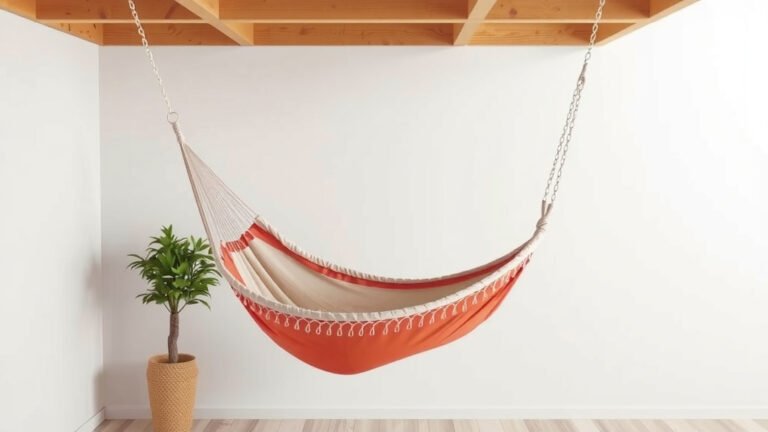
Not all hammocks are created equal when it comes to warmth. Some hammocks are designed with very open weaves or have large mesh sections. These are fantastic for ventilation but will naturally feel cooler. Others might be made from thicker cotton or even have padded layers. These will offer a bit more insulation.
Comparing Hammock Styles
For instance, a simple parachute nylon hammock is incredibly lightweight and breathable, making it prone to feeling cool. On the other hand, a quilted hammock often has a layer of stuffing between two fabric layers, providing a modest amount of warmth. It’s not a perfect barrier, but it’s better than none.
| Hammock Type | Breathability | Insulation (Relative) |
|---|---|---|
| Parachute Nylon / Polyester | Very High | Low |
| Cotton Weave | High | Low to Medium |
| Quilted / Padded | Medium | Medium |
| Fleece-lined / Insulated | Low to Medium | High |
Ground Effect: The Cooler Air Below
This is especially true if your hammock is set up close to the ground. Cooler air tends to sink, and if your hammock is low, you’re essentially in the coolest part of the air mass. Think about how basements often feel cooler than upper floors. The same principle applies here. We found that raising your hammock slightly can sometimes make a difference, though material and airflow are bigger factors.
Simple Solutions for a Warmer Hammock Experience
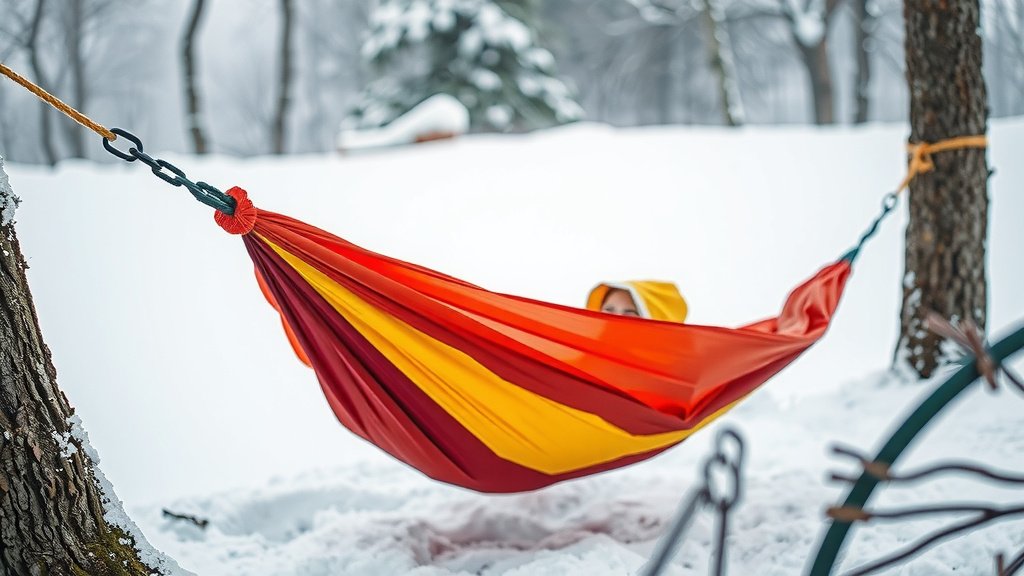
Don’t worry, a chilly hammock doesn’t mean you have to ditch your favorite way to relax! There are several straightforward ways to add warmth and make your hammock cozy again.
Layer Up with Appropriate Clothing
This is the easiest fix. Instead of just shorts and a t-shirt, consider wearing long sleeves and pants. Even a light fleece or hoodie can make a huge difference. If you’re using your hammock outdoors at night, a hat is also a great idea. Remember, you lose a lot of heat through your head.
Add Insulation Underneath You
This is where things get interesting! You can create a barrier between yourself and the cool air. A simple sleeping pad, like the kind you’d use for camping, works wonders. You can lay it flat on the hammock or even tuck it underneath you. Some people use a closed-cell foam pad, while others prefer an inflatable one for extra comfort. We found that a pad about 1-2 inches thick provides a good balance of warmth and comfort.
The Underquilt: A Hammock’s Best Friend
For serious hammock campers or those who want ultimate warmth, an underquilt is the gold standard. It’s essentially a quilt designed to hang *underneath* your hammock. It traps a layer of still air, preventing that cold air from circulating beneath you. Think of it as a fitted blanket for the underside of your hammock. They come in various temperature ratings, so you can choose one suitable for your climate.
Consider a Warmer Hammock Material
If you’re consistently finding your hammock too cold, it might be time to look at a different type of hammock for cooler weather. As we saw in the table, quilted or padded hammocks offer more insulation. Some even come with built-in insulation, though these are less common and usually more expensive.
Use a Hammock Liner
A hammock liner is essentially a layer of fabric that fits inside your hammock. It adds a bit of bulk and can trap a thin layer of warm air. While not as effective as an underquilt or a sleeping pad, it can provide a noticeable boost in warmth for mild to cool conditions.
Keep it Indoors or Protected
If your hammock is permanently set up outdoors, it will be exposed to the elements. Bringing it inside or covering it when not in use can help it feel warmer when you do use it. Even a simple tarp can reduce how much cool, damp air it absorbs. A hammock used indoors is less likely to feel cold unless there’s a draft or the room is particularly chilly.
Quick Tips for a Cozier Hammock Experience:
- Wear warmer clothing, like long sleeves and pants.
- Add a sleeping pad or blanket underneath you.
- Consider a camping underquilt for significant warmth.
- Use a hammock liner for an extra layer of fabric.
- Bring your hammock inside or cover it when not in use.
- Check the hammock’s material for better insulation options.
Conclusion
Feeling a chill in your hammock is a common experience, but it doesn’t have to cut your relaxation short. We’ve seen that heat loss from breathable fabrics, combined with constant airflow, are the main culprits. Your hammock’s design, the ambient temperature, and even your clothing choices all play a part. Thankfully, simple solutions like layering up, adding a sleeping pad, or using an underquilt can transform your hammock into a cozy retreat. Before you give up on your hammock, try adding a bit of insulation – you might be surprised at how much warmer you can get!
Frequently Asked Questions
Can I use my hammock in winter?
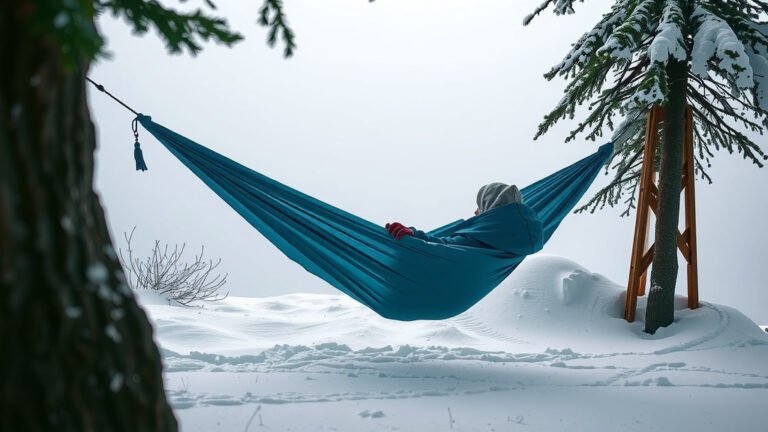
Yes, you can use your hammock in winter with the right preparations. The key is to add significant insulation to combat the cold. This usually involves using a warm sleeping bag, an insulated sleeping pad, and a specialized underquilt designed for cold weather. Wearing warm, layered clothing is also essential.
Why does my hammock feel colder than my bed even indoors?
Even indoors, your hammock can feel colder due to its breathable material and constant airflow. Unlike a mattress that traps some heat and limits air movement, your hammock allows air to circulate freely around and beneath you. If the room is cool or there’s a draft, this airflow will carry your body heat away more efficiently than a bed would.
What’s the best way to insulate a hammock for cold weather?
The most effective way to insulate a hammock for cold weather is by using an underquilt. This specialized piece of gear hangs below the hammock and traps a layer of warm air, preventing cold drafts from reaching you. Combining an underquilt with a sleeping pad inside the hammock offers maximum warmth.
Does the material of my hammock really affect how cold it feels?
Absolutely. Hammocks made from materials like parachute nylon or polyester are very breathable and offer little insulation, making them feel cooler. Denser fabrics like cotton or quilted materials provide more warmth. For colder conditions, look for hammocks specifically designed with extra insulation or consider adding layers.
How can I make my hammock warmer without buying special gear?
You can make your hammock warmer using items you might already have. Wearing warmer clothing, such as long pants and a long-sleeved shirt, makes a big difference. Placing a thick blanket, a comforter, or even a closed-cell foam sleeping pad inside the hammock can create a cozy barrier against the cool air circulating underneath.