What is a Single Hammock? Your Guide to Solo Relaxation
A single hammock is a type of hammock designed for one person to relax in. It typically consists of a piece of fabric or netting suspended between two anchor points, offering a cozy and personal spot for relaxation. Think of it as your own little personal oasis.
While simple in concept, single hammocks come in various materials and styles, each offering a unique lounging experience. You’ll find them made from durable parachute nylon, comfortable cotton, or sturdy polyester. Choosing the right one depends on where you plan to use it, from your backyard to your next camping trip. We found that the material greatly affects comfort and durability.
- A single hammock is for one person.
- It’s a suspended bed for personal relaxation.
- Materials like nylon and cotton offer different feels.
- Great for backyards, camping, or just chilling.
- Choose based on comfort and intended use.
Ready to find your perfect solo lounging spot? Let’s break down the different types of single hammocks and what makes them great for unwinding.
Understanding the Solo Hammock Experience
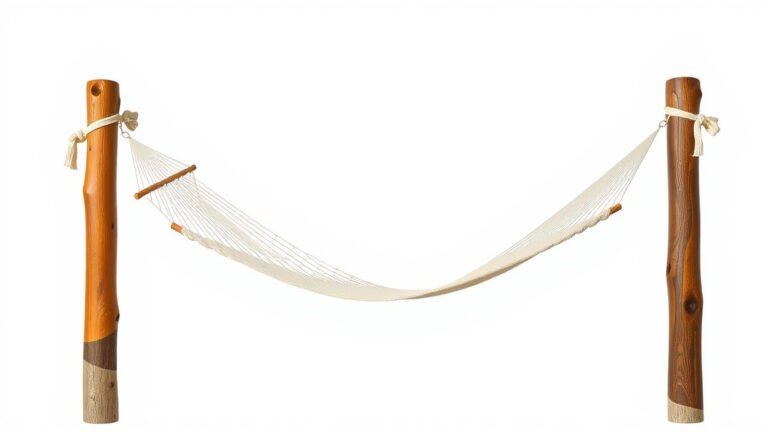
So, what exactly is a single hammock? It’s your personal slice of relaxation heaven. Think of it as a comfy, suspended bed designed just for you. It’s a wonderful way to unwind after a long day or simply enjoy some quiet time outdoors. You hang it between two sturdy points, like trees or posts, and sink into its gentle sway. It’s perfect for when you don’t need space for a crowd but crave a peaceful escape.
Materials Matter: What Your Single Hammock is Made Of
The material of your single hammock plays a huge role in its comfort, durability, and how it looks and feels. Different fabrics offer unique experiences. Understanding these differences will help you pick the perfect one for your needs.
The Popular Choices: Fabric Types Explained
Parachute Nylon: Lightweight and Durable
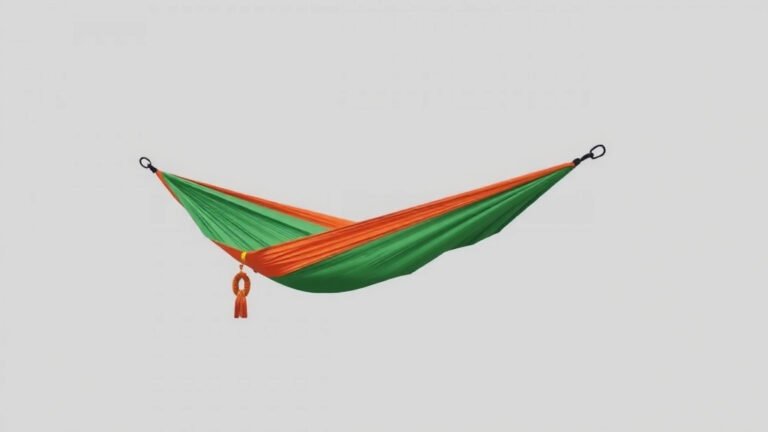
You’ve probably seen these before! Parachute nylon hammocks are super popular, especially for camping and backpacking. They’re made from a strong, lightweight nylon fabric, much like what’s used in parachutes. This makes them incredibly durable and resistant to tears. Plus, they dry very quickly if they get wet, which is a big plus for outdoor adventures. Many users find them easy to pack up, too. They often come with built-in stuff sacks.
Cotton: Softness and Breathability
For backyard lounging and pure comfort, cotton is a fantastic choice. Cotton hammocks feel wonderfully soft against your skin. They’re also very breathable, making them ideal for warm, sunny days. Imagine sinking into a hammock that feels like a soft blanket. However, cotton can take longer to dry and may be more prone to mildew if left outside in damp conditions. So, if you choose cotton, you might want to bring it inside when it’s not in use or after rain.
Polyester and Blends: Weather Resistance
Polyester hammocks, or blends containing polyester, often offer a good balance of comfort and weather resistance. They tend to be more durable than pure cotton and less prone to stretching out over time. Many polyester hammocks are treated to resist UV rays and moisture. This makes them a good option for keeping on a porch or patio. We found that blends can sometimes offer the best of both worlds. They might combine cotton’s softness with polyester’s resilience.
Netting vs. Fabric: A Matter of Feel
Beyond the primary material, the construction itself matters. Single hammocks can be made from solid fabric or woven netting. Fabric hammocks offer a more solid, cradling feel. Netting hammocks, often made from cotton or synthetic cords, can feel lighter and more airy. They also tend to pack down smaller. Some people love the feeling of the net conforming to their body. Others prefer the unbroken support of a fabric hammock. It’s really a personal preference.
Key Features to Look For in a Single Hammock
When you’re shopping for your perfect solo hammock, a few features can make a big difference in your enjoyment. Think about where you’ll use it most and what kind of comfort you’re seeking. Here’s what we recommend keeping an eye on.
Weight Capacity: Safety First!
This is non-negotiable. Always check the hammock’s weight capacity. Single hammocks are designed for one person, but manufacturers specify a maximum weight they can safely hold. It’s wise to choose a hammock with a capacity well above your own weight for extra peace of mind. Most single hammocks can hold at least 250 to 400 pounds. Always err on the side of caution here. Your relaxation shouldn’t come with a side of worry!
Size and Dimensions: Your Personal Space
While “single” implies one person, the dimensions can vary. Some are longer and wider than others. A wider hammock might feel more spacious and allow you to lie in different positions more easily. A longer one can accommodate taller individuals better, preventing your head and feet from hanging over the edges. Think about how you like to relax. Do you curl up or stretch out? This will guide your choice.
Suspension System: Getting it Hung
How does the hammock attach to its anchor points? Many come with basic ropes or straps. However, for ease of use and tree-friendliness, many people opt for specialized hammock suspension systems. These often include adjustable webbing straps. These straps distribute weight more evenly and won’t damage tree bark. We found that quick and easy setup is a major plus for frequent users. Some hammocks come ready to go, while others might require separate purchases.
Where Can You Use a Single Hammock?
The beauty of a single hammock is its versatility. You can create a little relaxation station almost anywhere!
Backyard Bliss
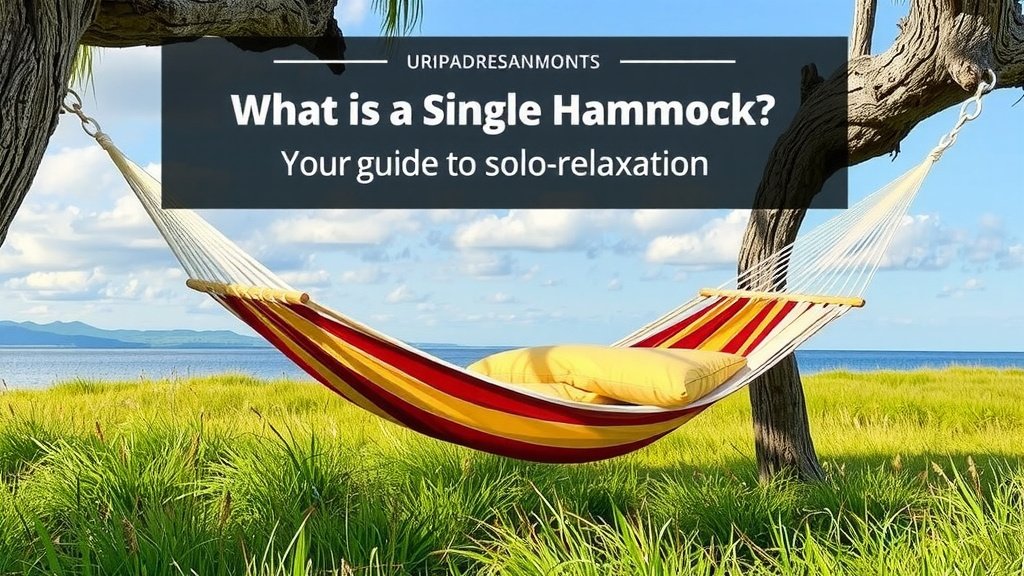
Your backyard is a prime spot. String it between two trees, or use a hammock stand if you don’t have suitable anchor points. It becomes your personal reading nook or a quiet spot to watch the clouds drift by. Many users tell us it transforms their outdoor space into a mini-getaway.
Camping and Backpacking Companion
Lightweight nylon hammocks are a camper’s best friend. They take up very little space in a backpack and provide a comfortable night’s sleep or a relaxing break during a hike. Sleeping in a hammock can even be more comfortable than sleeping on uneven ground, some hikers report. It’s a way to connect with nature without the discomfort of sleeping on rocks.
Indoor Comfort
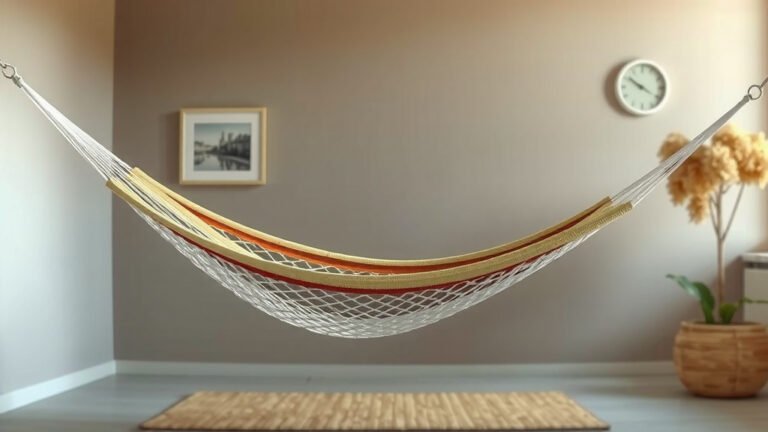
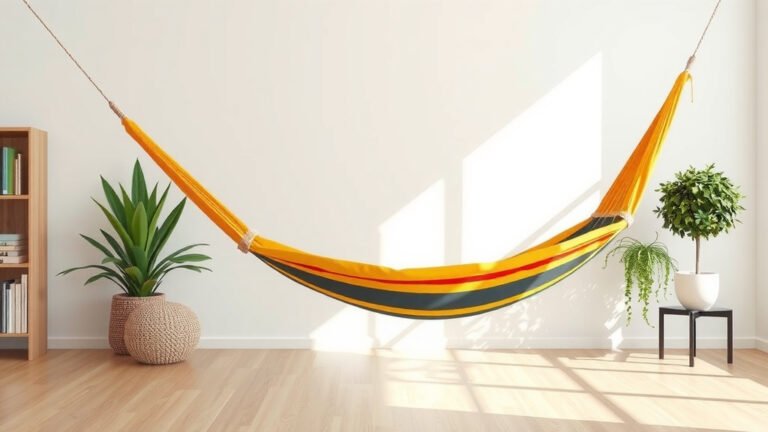
Don’t limit yourself to the outdoors! With the right hardware, you can hang a single hammock indoors. Imagine a cozy corner in your living room or bedroom. It adds a unique touch to your decor and provides a comfy spot to chill, read, or even take a nap. Just ensure your wall studs are strong enough to support the weight, or use a sturdy hammock stand.
Travel and Beach Getaways
A packable single hammock is easy to take on vacation. Set it up at the beach, a park, or a campsite on your travels. It’s a simple way to ensure you always have a comfortable place to rest wherever you go. Many find it’s more convenient than searching for a park bench.
Checklist: Your Single Hammock Shopping Guide
Ready to find your perfect solo hammock? Keep these points in mind:
- Material: Nylon for adventure, cotton for comfort, polyester for durability.
- Weight Capacity: Ensure it’s well above your weight.
- Size: Check dimensions for your ideal lounging space.
- Suspension: Easy setup and tree-friendly options are a plus.
- Intended Use: Backyard, camping, travel? Choose accordingly.
- Portability: Does it pack down small if you plan to travel?
Conclusion
You’ve learned that a single hammock is your personal spot for relaxation, perfectly designed for one. We’ve seen how materials like parachute nylon, cotton, and polyester each offer unique benefits for comfort and durability. Whether you’re setting up camp, lounging in the backyard, or finding a quiet corner indoors, your single hammock can be your portable escape. Now, you’re equipped to choose the hammock that best fits your lifestyle and personal needs. Go ahead and find that perfect spot to hang your new favorite relaxation station!
Frequently Asked Questions
Can I sleep in a single hammock all night?
Yes, many people find single hammocks comfortable enough for all-night sleep, especially those made from breathable materials like cotton or parachute nylon. Some users even prefer hammock sleeping to traditional beds due to the lack of pressure points. Just ensure you have adequate insulation from the cold and protection from insects if sleeping outdoors.
Are single hammocks difficult to set up?
Generally, single hammocks are quite easy to set up. Most come with basic suspension systems like ropes or straps. You just need two sturdy anchor points, such as trees or posts, spaced appropriately. Many modern hammocks also offer quick-connect systems or tree-friendly straps for even simpler and faster setup.
What’s the best type of single hammock for a beginner?
For beginners, a parachute nylon single hammock is often recommended. They are lightweight, durable, easy to pack, and relatively inexpensive. They dry quickly and are versatile enough for backyard use or travel, making them a great all-around choice to get started with hammock lounging.
How do I choose the right size for a single hammock?
Consider your height and how you like to relax. If you’re taller or prefer to stretch out fully, look for a longer hammock. If you enjoy curling up or want more space to shift positions, a wider hammock might be better. Always check the product’s dimensions to ensure it meets your personal comfort needs.
Can I hang a single hammock indoors without damaging my walls?
You can hang a single hammock indoors safely and without major damage by using a sturdy hammock stand. If you prefer to mount it directly, you’ll need to install heavy-duty eye bolts into wall studs. It’s crucial to ensure your wall structure can support the weight. Always follow installation instructions carefully.