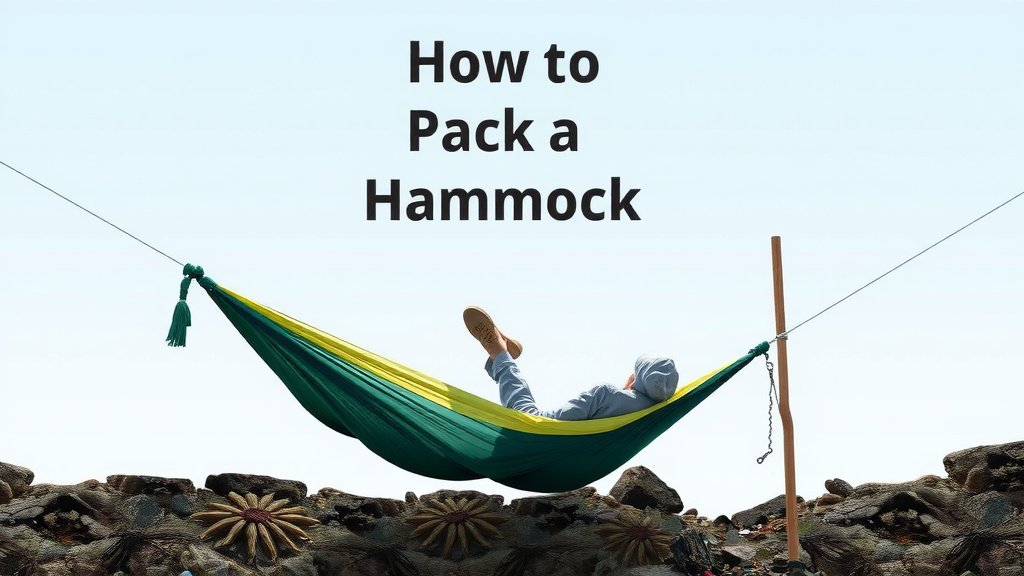
How to Pack a Hammock for Your Next Adventure
Packing your hammock correctly is surprisingly simple. The key is to fold it neatly and secure it tightly. This helps protect your hammock and makes it easy to carry on your next adventure. You’ll be ready to relax in no time!
When you pack your hammock, you’re not just stuffing it into a bag. You’re preparing it for travel, keeping it safe from snags and tears. Properly packing can also prevent tangles, saving you frustration later. Think of it as giving your hammock a cozy little nap.
- Fold your hammock lengthwise.
- Roll it up like a sleeping bag.
- Secure it with the attached stuff sack or straps.
- Keep it away from sharp objects.
Ready to get that hammock packed up? Let’s walk through exactly how to do it, step by step, so you can get to the fun part – relaxing!
Getting Your Hammock Packed Away Neatly
Packing your hammock is a simple process. It ensures your hammock stays protected. It also makes it much easier to transport. We’ll guide you through the best way to fold and secure it.
The Best Way to Fold Your Hammock
Start by laying your hammock out flat. Smooth out any major wrinkles. Find the two ends where the suspension system attaches.
You want to fold the hammock lengthwise. Bring one long edge towards the center. Then bring the other long edge over to meet it. You should have a long, narrow strip. This makes rolling much easier later.
Dealing with the Suspension
The suspension system (straps, carabiners, whoopie slings) can be tricky. It’s best to coil these neatly. You can wrap them around your hand a few times. Or coil them into small loops. Keep them close to the folded hammock body.
Many hammocks come with integrated stuff sacks. These are often attached to one end. You can use this to help organize the suspension. Just tuck the coiled parts inside as you fold.
Rolling Your Hammock for Storage
Once your hammock is folded into a long strip, it’s time to roll. Start from one end. Roll it up as tightly and as evenly as possible. Think of rolling a sleeping bag. A tighter roll means a smaller package.
Try to keep the roll consistent. If the suspension system is still loose, coil it as you go. This helps prevent it from unfurling later. A well-rolled hammock is less likely to tangle.
Using the Stuff Sack
Most modern hammocks come with a stuff sack. This sack is designed to hold your rolled hammock. Once you have your hammock rolled, slide it into the stuff sack. It might feel a little snug at first. That’s okay. This is normal and helps keep everything compressed.
If your hammock didn’t come with a stuff sack, don’t worry. You can use a separate dry bag or a compression sack. These work just as well. They offer added protection from the elements, too. This is a good idea if you’re camping in wet conditions.
Securing Your Packed Hammock
Once the hammock is in its stuff sack, secure it. Most stuff sacks have a drawstring. Pull this tight to close the opening. Then, tie a knot to keep it from coming undone. Some sacks have a buckle closure, which is even simpler.
If you don’t have a stuff sack, you can use the hammock’s own straps. Many hammock suspension systems have straps that can wrap around the rolled hammock. Secure these with Velcro or buckles. This keeps your hammock tidy and compact. We found that this method also prevents the hammock from expanding in your backpack.
Protecting Your Hammock During Transport
How you pack your hammock affects its lifespan. Proper packing prevents damage and keeps it ready for use.
Avoiding Damage from Sharp Objects
Hammocks are made of fabric. This fabric can snag or tear easily. Always keep your packed hammock away from sharp items. This includes knives, tent stakes, and even sharp rocks.
If you store your hammock in a backpack, place it in a protected spot. Use the stuff sack to add a layer of defense. Consider putting it inside another bag if you’re worried about punctures. Many outdoor enthusiasts use a dedicated dry bag for their sleeping gear.
Keeping Your Hammock Clean
Dirt and debris can wear down fabric over time. It’s best to pack your hammock when it’s reasonably clean. Shake off loose dirt and leaves before folding. If it’s wet, let it dry completely before packing.
Packing a damp hammock can lead to mildew. Mildew can damage the fabric and create an unpleasant odor. If it does get dirty, spot clean it with mild soap and water. Then, ensure it’s fully dry before storing it away. Research suggests that storing gear clean prolongs its usability (REI).
When to Use a Hammock Tarp
While not part of packing the hammock itself, consider your tarp. If you use a hammock tarp, pack it separately. Tarps can be bulky. Folding them neatly helps save space. Most tarps have their own stuff sack.
Keep your tarp away from your hammock during packing. Different materials might rub against each other. This can cause wear. Plus, if one item is wet, you don’t want it to transfer moisture to the other. Many campers prefer to keep their sleep system separate from their rain protection.
A Quick Checklist for Packing Your Hammock
Here’s a simple way to remember the key steps:
- Shake off dirt and debris.
- Fold the hammock lengthwise.
- Coil the suspension system neatly.
- Roll the hammock tightly.
- Stuff it into its sack.
- Secure the stuff sack tightly.
Conclusion
You’ve learned how to pack your hammock neatly and securely. Folding it lengthwise and rolling it tightly makes for a compact package. Using the stuff sack or straps keeps everything together. This simple process protects your hammock from snags and tears. It also makes it easy to carry on any adventure. Now you’re ready to get outside and relax. So, grab your packed hammock and head to your favorite spot!
Frequently Asked Questions
How do I keep my hammock from getting tangled in its stuff sack?
The key is to roll it as tightly and evenly as possible. Coiling the suspension system neatly as you roll helps prevent tangles. A snug fit in the stuff sack also keeps everything compressed and orderly.
What if my hammock didn’t come with a stuff sack?
No problem! You can use a separate dry bag or a compression sack. These work just as well for storing your rolled hammock. They can also offer extra protection from moisture.
Should I wash my hammock before packing it away?
It’s best to pack your hammock when it’s reasonably clean and completely dry. Shake off loose dirt and let it air dry if it’s damp. Packing a wet hammock can lead to mildew and damage.
How can I protect my hammock from sharp objects when it’s packed?
Always keep your packed hammock away from sharp items like knives or tent stakes. Place it in a protected spot within your backpack. Using the stuff sack provides a good initial layer of defense.
Can I pack my hammock and tarp together?
It’s usually better to pack them separately. Tarps can be bulky and might transfer moisture or cause wear if packed against your hammock. Keep them in their own stuff sacks to save space efficiently.