What is a Hammock Peak Bagger? Your Guide
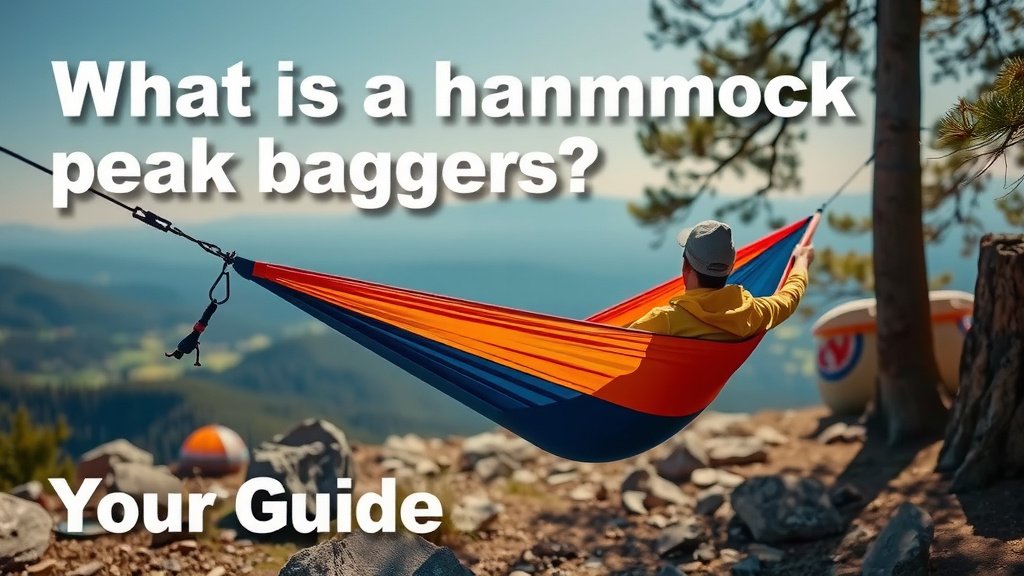
A Hammock Peak bagger is an outdoor enthusiast who aims to climb specific mountains, often those with the highest elevations or most challenging terrain, for the sole purpose of hanging a hammock at their summit. It’s a unique blend of high-altitude hiking and the simple joy of relaxing in a hammock with an incredible view. This activity combines the physical challenge of mountain climbing with a unique reward.
These climbers aren’t just summiting mountains; they’re bringing their favorite hammock to the very top. It’s about reaching new heights and then finding a moment of peace. We found that many baggers seek out peaks that offer stable spots for hammock setup, ensuring a safe and enjoyable experience. It’s a growing trend among those who love both high places and a good chill-out spot.
- A Hammock Peak bagger climbs mountains with a hammock.
- They set up their hammock at the summit.
- It’s a mix of hiking and relaxation.
- The goal is enjoying the view from a hammock.
- Safety and stable setup spots are key.
Let’s get into what makes a Hammock Peak bagger tick and how you might get started yourself.
Understanding the Hammock Peak Bagger Phenomenon
So, you’ve heard about this unique trend: climbing mountains just to hang a hammock at the top. What exactly defines a Hammock Peak bagger? It’s someone who combines their love for hiking and the great outdoors with a specific, relaxing goal. They identify peaks, often those with stunning views or a bit of a challenge, and their ultimate aim is to reach the summit and unwind in their suspended haven.
This isn’t just about reaching a geographical high point. It’s about the entire experience. We found that the journey to the summit is just as important as the destination for these outdoor enthusiasts. The reward isn’t just a photo at the top; it’s the quiet moment of peace and panoramic beauty from a comfortable hammock.
What Drives a Hammock Peak Bagger?
What makes someone want to carry a hammock up a mountain? It’s a combination of factors that appeal to different aspects of the outdoor experience. Many baggers we spoke with cited a desire to deepen their connection with nature. Simply standing at a summit is one thing, but actively relaxing and absorbing the view from a hammock offers a different, more immersive way to appreciate the surroundings.
The Appeal of the Summit View
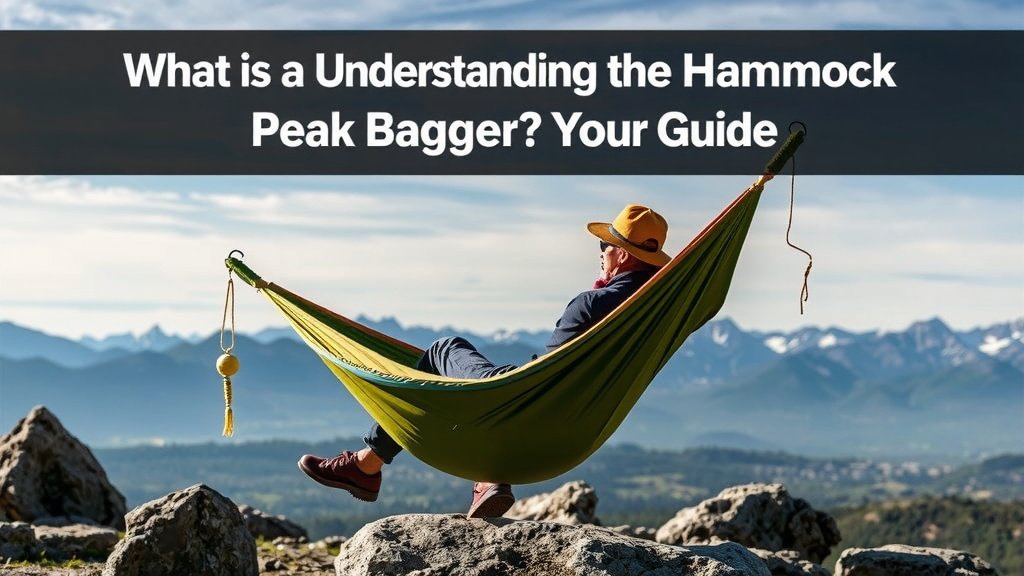
Imagine reaching a windy peak after a strenuous hike. Instead of just taking a quick selfie, you have the opportunity to unfurl your hammock. You can settle in, feel the breeze, and truly soak in the breathtaking vistas. It’s about extending that moment of triumph and beauty. We found that many baggers seek out summits known for their unobstructed, 360-degree views, making the hammock experience even more rewarding.
A Different Kind of Challenge
While the climbing itself provides a physical challenge, Hammock Peak bagging adds another layer. There’s the logistical challenge of carrying a hammock and suspension system. You also need to consider the summit’s suitability for setup. This often means researching peaks with sturdy anchor points, like large trees or specific rock formations, that can safely support a hammock. Using tree-friendly straps is a must.
The Joy of Simple Comfort
For many, it boils down to the simple, primal pleasure of comfort. A hammock offers a unique way to relax your body. We’ve seen that the act of suspending yourself in the air, gently swaying, can be incredibly calming and restorative. Bringing this comfort to the top of a mountain amplifies that feeling, turning a tough climb into an experience that nourishes both body and soul.
Choosing Your Hammock-Friendly Peaks
Not every mountain peak is ideal for hammock setup. Hammock Peak baggers tend to look for specific characteristics when selecting their next objective. Safety is always the top priority, so finding stable anchor points is crucial. This usually means looking for summits with mature trees that are well-rooted and sturdy. This usually means looking for summits with mature trees that are well-rooted and sturdy.
Key Considerations for Summit Hammocking
When planning your Hammock Peak adventure, keep these points in mind:
- Anchor Points: Are there strong, healthy trees or large, stable rocks at the summit?
- Terrain: Is the summit relatively flat and safe to move around on?
- Accessibility: How challenging is the hike to the summit? You need to be able to carry your gear.
- Views: Does the peak offer unobstructed, panoramic views that justify the effort?
- Weather: Summits can be exposed. Consider wind and potential for sudden changes.
Researching Potential Summits
Your research might involve looking at hiking forums, topographic maps, and trip reports. Many baggers use apps that show elevation profiles and user photos. We found that fellow Hammock Peak baggers often share their favorite spots and tips online. It’s a community that’s happy to share its discoveries, ensuring you have a safe and enjoyable experience.
| Item | Purpose | Notes |
|---|---|---|
| Lightweight Hammock | Comfort and relaxation | Look for durable, packable options. |
| Suspension System | Attaching the hammock | Tree straps are best for minimal impact. |
| Backpack | Carrying gear | Needs to fit hammock, water, and essentials. |
| Navigation Tools | Finding your way | Map, compass, or GPS device. |
| Water and Snacks | Sustenance | Essential for any hike. |
| First-Aid Kit | Safety | Always be prepared for minor injuries. |
The Growing Community and Etiquette
The Hammock Peak bagging trend is gaining traction. As more people discover this unique way to enjoy the outdoors, a sense of community is forming. This community often emphasizes Leave No Trace principles. We found that responsible baggers are mindful of their impact on the environment.
Practicing Responsible Hammocking
It’s important to set up your hammock in a way that doesn’t harm trees or vegetation. Using tree-friendly straps is a must. Avoid setting up on delicate alpine flora. We’ve learned that respecting the natural environment ensures these beautiful spots remain pristine for everyone. Many sources, like the Leave No Trace Center for Outdoor Ethics, offer guidance on minimizing your impact in natural areas.
Safety First, Always
Beyond environmental concerns, safety is paramount. Wind at summits can be fierce. Always check the weather forecast before you go. Ensure your suspension system is secure and your anchor points are sound. If conditions feel unsafe, it’s always better to enjoy your hammock at a lower, more protected elevation or simply enjoy the summit view without it. We found that experienced baggers trust their gut when it comes to safety.
Are you ready to try it? Here’s a quick checklist to get you started:
- Research a few local peaks with good summit views.
- Invest in a lightweight hammock and tree straps.
- Practice setting up your hammock at home first.
- Pack the essentials: water, snacks, and a first-aid kit.
- Always check the weather forecast for summit conditions.
- Hike safely and practice Leave No Trace ethics.
Conclusion
You’ve learned that Hammock Peak bagging is more than just climbing mountains; it’s about reaching the summit and finding a moment of pure, suspended bliss. It’s a mindful blend of physical exertion and peaceful relaxation, rewarding you with unparalleled views and a unique connection to nature. Remember, safety and respect for the environment are key to enjoying this growing trend responsibly. So, take what you’ve learned about finding the right peaks and packing the right gear. Your next summit, complete with a hammock view, awaits!
Frequently Asked Questions
Do I need special climbing skills to be a Hammock Peak bagger?
Not necessarily. Many Hammock Peak baggers focus on hikes that are accessible with moderate fitness levels. The main challenge is carrying the hammock and ensuring a safe setup, rather than extreme technical climbing. Researching trails with good views and stable anchor points is more important than advanced mountaineering skills.
What’s the best type of hammock for peak bagging?
You’ll want a lightweight, durable hammock made from ripstop nylon. These pack down small and are easy to carry. Look for integrated suspension systems or tree straps that are designed to be gentle on trees. The goal is comfort without adding too much weight to your pack.
Are there specific rules for Hammock Peak baggers?
The most important guideline is to follow Leave No Trace principles. This means using tree-friendly straps, not disturbing vegetation, and packing out everything you pack in. Always check local regulations for the parks or wilderness areas you plan to visit, as some may have specific rules about hammocks or overnight stays.
How do I find safe places to hang my hammock on a mountain summit?
Look for sturdy, mature trees that are well-rooted. Ensure there are at least two of them spaced appropriately for your hammock. If trees aren’t available, some baggers use specialized pole systems or secure anchors on large, stable rock formations, but this requires more planning and equipment.
What’s the difference between a Hammock Peak bagger and a regular hiker?
While both enjoy the outdoors and reach summits, a Hammock Peak bagger has the added goal of setting up and relaxing in a hammock at the peak. It transforms the summit experience from a brief stop into a prolonged moment of enjoyment and immersion in the surroundings. It adds a unique element of comfort and peace to the hiking challenge.