
Adjusting Hammock Straps: A Simple Guide
Adjusting your hammock straps is surprisingly simple, and doing it right means you can **hang your hammock perfectly** every time. The key is to find the right balance between your trees and your comfort, ensuring a **secure and comfortable setup** without damaging the bark. You’ll want to adjust until your hammock has a nice, gentle curve.
Getting your hammock hang just right can make all the difference between a pleasant snooze and a not-so-great experience. Many people overlook the importance of properly adjusting their straps, leading to a hammock that’s too tight or too loose. We found that a slight sag, often called the “happy trail,” is usually the sweet spot for maximum relaxation and for keeping your straps from digging into the trees.
- Adjust straps by sliding them up or down the tree.
- Aim for a hammock that forms a gentle curve, not a straight line.
- A little sag is good – it provides comfort and protects trees.
- Too tight straps can damage trees and make hanging difficult.
- Experiment to find your personal “just right” hang.
Let’s walk through exactly how to adjust your hammock straps step by step to achieve that perfect hang.
Getting Your Hammock Straps Adjusted Just Right
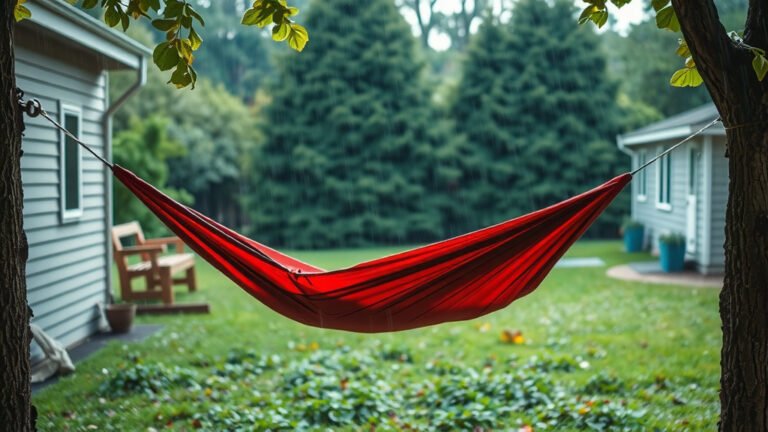
Adjusting your hammock straps seems simple, but getting it wrong can lead to discomfort or even tree damage. The goal is to achieve a slight sag, often called the “happy trail.” This hang provides the most comfortable lounging experience and is kindest to your anchor points. We’ve found that a gentle curve is key, not a taut, straight line.
Understanding the Ideal Hammock Hang
Why is the “happy trail” so important? Research and user feedback consistently point to a relaxed, curved hang as being superior. A hammock that is too tight puts excessive pressure on your anchor points, whether they are trees or poles. This can cause the straps to dig into the bark, potentially harming the tree over time. We found that this pressure is easily avoided with proper adjustment.
The Problem with Overly Tight Hammocks
When your hammock straps are pulled too tight, the fabric becomes stretched thin. This reduces the hammock’s ability to conform to your body, making it feel less comfortable. Imagine trying to relax in a parachute that’s cinched to the max – not very appealing! We also found that too tight a hang makes it harder to get in and out of your hammock gracefully.
The Benefits of a Slight Sag
A little bit of slack is actually a good thing. It allows the hammock material to drape and cradle your body naturally. This distributes your weight more evenly, enhancing comfort. Plus, the slight give in the straps means less direct, constant pressure on the trees. Many camping guides recommend this approach to preserve natural resources.
Step-by-Step Guide to Adjusting Your Straps
Let’s get your hammock set up for maximum relaxation. Most modern hammock strap systems use a buckle or loop mechanism. You’ll be sliding the straps up or down the tree to achieve the desired height and tension. It’s a straightforward process that usually only takes a few minutes.
Preparing Your Anchor Points
First, find two sturdy trees that are roughly the distance apart you want your hammock. Ideally, they should be at least 8-12 inches in diameter. This ensures they can safely support your weight. Before you wrap the straps, quickly check the bark for any loose pieces or obvious damage. You want to start with a healthy surface.
Wrapping and Securing the Straps
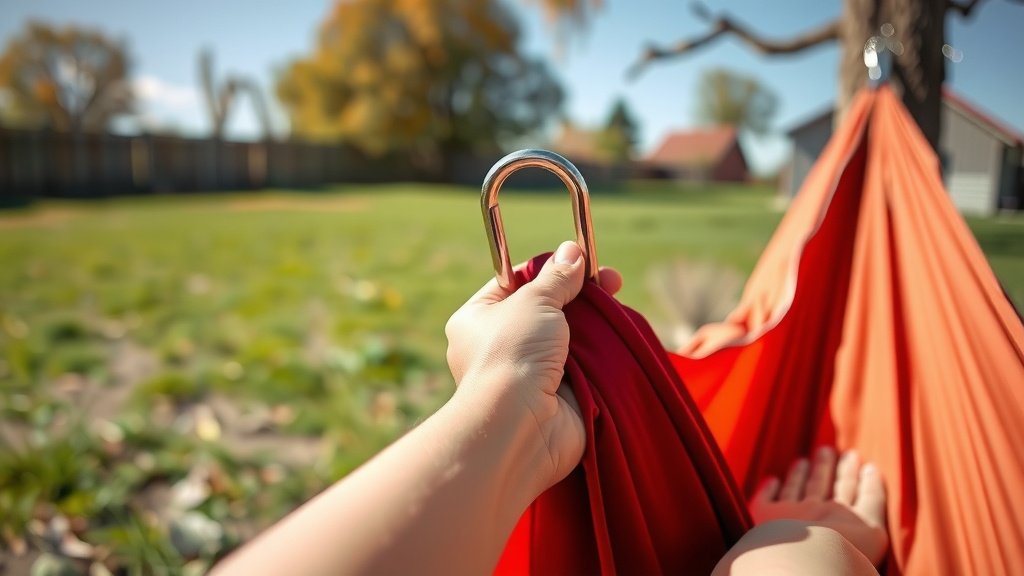
Take one strap and wrap it around the first tree, passing one end through the other, like a belt. Pull it snug against the tree. Then, thread the loose end through the buckle. Most systems allow you to pull the strap through to tighten it. Repeat this for the second tree. You should now have two straps hanging from your trees, each with a buckle ready for adjustment.
Initial Tensioning and Height Setting
Now, take your hammock and clip it to the lowest loops on each strap. Sit down gently. Does it feel too high? Too low? Too tight? Too loose? Don’t worry, this is just the starting point. We found that it’s usually easier to loosen straps than to tighten them significantly once the hammock is attached.
Adjusting the Height Up or Down
To raise your hammock, you’ll need to shorten the straps. On each side, pull the strap through the buckle until it’s tighter. To lower your hammock, you’ll lengthen the straps by pulling the strap *out* of the buckle, allowing it to slide down the tree. You’re aiming for a starting height where the hammock is roughly knee-high when empty and taut.
Finding That “Happy Trail” Sag
Once the height feels about right, it’s time to fine-tune the sag. You want that gentle curve. If the hammock is too straight, loosen the straps a bit. If it’s too saggy (almost touching the ground when you sit), tighten them slightly. Many hammock campers describe the ideal hang as having about a 30-degree angle from the anchor point to the hammock buckle. We’ve found this to be a good rule of thumb.
Checking for Comfort and Security
Lie down in your hammock. How does it feel? Your feet shouldn’t be uncomfortably high, and your back should feel supported, not strained. Gently shift your weight. Does the hammock feel secure? Are the straps biting into the bark? If you notice significant digging, loosen the straps slightly and readjust.
A Quick Checklist for the Perfect Hang
- Straps are wrapped securely around sturdy trees.
- Hammock is attached to the lowest practical loops.
- Hammock has a noticeable, gentle curve when you’re in it.
- Your feet aren’t significantly higher than your head.
- No excessive digging into the tree bark.
- It feels comfortable and secure for lounging.
Troubleshooting Common Adjustment Issues
Sometimes, despite your best efforts, things just don’t feel right. Let’s look at a couple of common snags. If your trees are too far apart, your hammock might end up too tight no matter how you adjust. In this case, you might need longer straps or to find closer trees. Conversely, if the trees are too close, you might have too much sag.
What if the Straps Won’t Stay Put?
Some strap systems can slip, especially on very smooth bark. Ensure you’re pulling the strap firmly through the buckle. If slippage is persistent, some users find adding a small knot on the strap *below* the buckle can help prevent it from sliding back. Always ensure the buckle itself is securely engaged. We found that a bit of wiggling after adjustment helps settle the strap.
| Problem | Cause | Solution |
|---|---|---|
| Hammock feels too tight, uncomfortable. | Straps are too short or pulled too taut. | Loosen straps; let them slide down the tree. |
| Hammock is too low, almost touching ground. | Straps are too long or hanging too low on trees. | Tighten straps; adjust to higher loops. |
| Straps digging into tree bark. | Straps are too tight; uneven weight distribution. | Loosen straps slightly; aim for a gentle curve. |
| Difficulty getting in or out. | Hammock is too high or too stiff. | Lower the hammock slightly; ensure a good sag. |
Conclusion
You’ve learned that adjusting your hammock straps is all about finding that sweet spot for comfort and tree health. Remember, the goal is a gentle curve, the “happy trail,” not a drum-tight line. This simple adjustment prevents tree damage and makes your hammock feel like a cozy cocoon. Don’t be afraid to experiment with slight adjustments until it feels perfect for you. Now that you know the steps, go hang your hammock and enjoy a truly relaxing time outdoors!
Frequently Asked Questions
How tight should hammock straps be?
Hammock straps should be adjusted to create a gentle sag, often called the “happy trail.” This means the hammock fabric should form a noticeable curve when you’re in it, rather than being pulled taut like a straight line. Research and user experience suggest this provides the best comfort.
Can hammock straps damage trees?
Yes, if they are too tight or used improperly, hammock straps can dig into tree bark and cause damage over time. Always aim for a relaxed hang with a slight sag. This distributes weight more evenly and reduces direct pressure on the bark, helping to preserve the tree’s health.
What’s the best height to hang a hammock?
A good starting point is to hang your hammock so it’s roughly knee-high when it’s empty and taut. Once attached and you’re sitting in it, you want it to form that comfortable, curved hang. You can adjust higher or lower based on your personal preference.
How far apart should trees be for a hammock?
The ideal distance depends on your hammock’s length and the strap length. Generally, 10-15 feet apart is a common range. If your trees are too far apart, your hammock might end up too tight. If they’re too close, you might have too much sag.
What if my hammock straps keep slipping?
Ensure you’re pulling the strap firmly through the buckle. Some strap systems can be prone to slipping on smooth bark. If slippage persists, some users find tying a small knot on the strap *below* the buckle can help prevent it from sliding back down. Make sure the buckle itself is properly engaged.