
Why Do Spreader Bar Hammocks Tip? Causes and Easy Fixes
Spreader bar hammocks tip because their rigid bars keep the fabric stretched flat, which removes the natural balance of a traditional hammock. When your weight shifts even slightly, that stiff frame can’t adjust, so one side dips and over you go. It happens fast, and it happens to almost everyone at least once.
Here’s the thing, though. These hammocks aren’t badly designed. They’re built for easy entry and a flatter sleeping surface, which is why so many of us love them. The tipping usually comes down to how you get in, how the hammock is hung, and where you sit once you’re aboard. We researched the most common causes and found that most of them are surprisingly easy to fix.
Quick takeaways before we dive in:
- Tipping happens because the rigid bar keeps the bed flat and unforgiving.
- Hanging it too high or too wide makes tipping much worse.
- Getting in and out sideways (instead of sitting first) is a common culprit.
- Uneven weight distribution, like sitting near one edge, flips the balance fast.
- A few small setup changes can make your hammock feel rock solid.
Below, we break down exactly why your hammock tips and walk you through simple fixes you can try today. Grab a drink, and let’s get you lying flat instead of lying on the ground.
The Real Reasons Spreader Bar Hammocks Flip Over
The short answer? A rigid bar holds the fabric wide and flat, so the hammock can’t flex when your weight moves. Think of it like carrying a serving tray versus carrying a bag. The tray dumps everything the second it tilts. The bag just sways and adjusts.
We found that most tip-overs trace back to four things: hang geometry, entry technique, weight placement, and fabric sag. Let’s walk through each one so you can spot your own culprit.
How Your Hammock Hang Makes or Breaks Stability
The single biggest factor we found is how the hammock is strung up. Two measurements matter here: height and angle.
Hanging Too High Off the Ground
If your hammock sits three feet up, a small tip becomes a long fall. Physics doesn’t care about your feelings here. The higher the anchor points, the farther you drop before your feet or backside can catch you.
Many hammock guides suggest keeping the seat height around 18 inches off the ground, about knee height. At that level, even a full tip-over is more embarrassment than injury. The CDC notes that falls are a leading cause of home injuries, so lowering your hammock is genuinely a safety move, not just a comfort one.
Too Much Tension on the Ropes
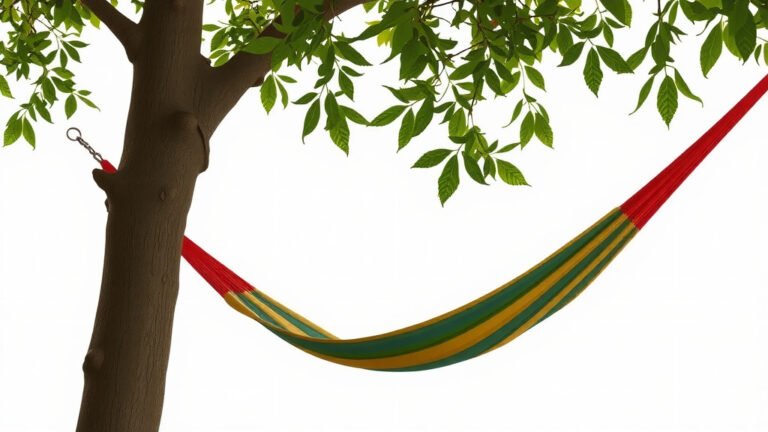
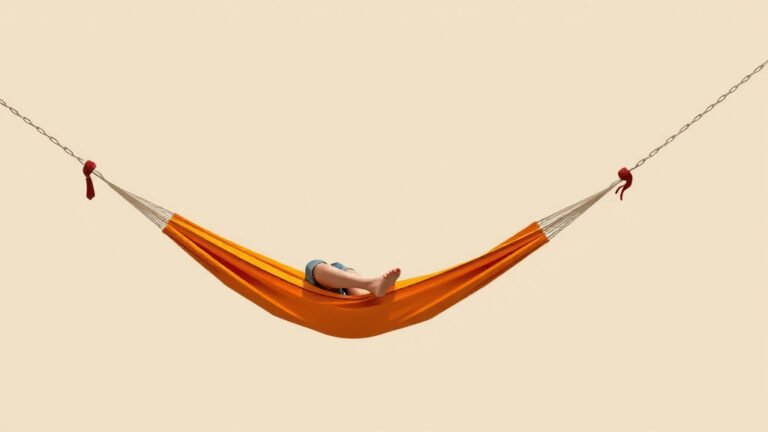
Pulling the ropes guitar-string tight makes things worse. A taut line transfers every wobble straight to the frame and your body. A hammock with a gentle curve, often called a sag or droop, can swing slightly and settle itself.
Many experts describe the ideal hang as a shallow smile shape. If your hammock looks like a flat plank, loosen the lines and try again.
Anchor Points Set Too Far Apart
Wide anchor points stretch the fabric flat, which is exactly the problem. When the bed is pulled drum-tight across its width, there’s no slack to absorb a weight shift. Bring the anchors closer together if your setup allows it, and you’ll feel the difference immediately.
The Way You Get In Matters More Than You Think
Here’s a confession-worthy moment: most of us try to flop into a spreader bar hammock like we’re jumping onto a mattress. That’s the move that sends us to the grass.
Because the bar holds the fabric open, there’s nothing to cradle you mid-flop. Instead, back up to the hammock, sit down in the middle first, then swing your legs up and around. Sit, then lie. Two steps, not one heroic leap.
The Sideways Entry Mistake
Approaching from the side and trying to swing both legs over at once puts your full weight on one edge. With a rigid bar, that edge can’t dip and absorb you like a traditional hammock would. It simply rotates, and you go with it.
Face the hammock head-on, grip both sides of the bar or fabric, and lower yourself in from the center. Boring? Maybe. But your tailbone will thank you.
Weight Distribution: The Silent Tip Trigger
Even with a perfect hang, where you sit decides everything. The spreader bar spreads your weight across a wide, flat surface instead of gathering it into a low, stable pocket.
Sitting Near One Edge
Scoot a few inches toward either side, and the balance flips fast. There’s no deep center of gravity to save you. Imagine balancing a book flat on a table versus balancing it on a spoon. The spoon cradles the weight. The flat table gives you nothing to lean on.
Research on balance and body mechanics from sources like the NIH shows our stability depends on keeping our center of mass over our base. In a spreader bar hammock, that base is narrow and unforgiving. Stay near the center line and you stay upright.
Two People, One Hammock
Sharing a spreader bar hammock doubles the trouble. Every time one person moves, the other feels it instantly. There’s no fabric flex to smooth things out.
We found a few habits that help couples survive the shared hammock experience:
- Sit back to back in the center rather than side by side.
- Have the heavier person get in first and settle in the middle.
- Move slowly and announce it. Seriously, it helps.
- Consider a double hammock with wider spreader bars for better balance.
Quick Comparison: What Makes Tipping Worse
| Setup Choice | Tipping Risk | Better Option |
|---|---|---|
| Hung at chest height or higher | High | Hang at knee height, about 18 inches |
| Ropes pulled tight and flat | High | Allow a gentle sag or curve |
| Flopping in sideways | Very high | Sit center-first, then swing legs in |
| Sitting near one edge | High | Stay on the center line |
| Two people moving freely | Moderate to high | Move slowly, sit back to back |

Fabric Sag and Stretch Play a Role Too
New cotton hammocks stretch out over the first few weeks of use. As the fabric loosens, the bed forms a slightly deeper pocket, which actually improves stability. A brand-new, drum-tight hammock is the most likely to dump you.
Worn-out fabric creates the opposite problem. If one side has stretched more than the other, the bed sits uneven from the start. Inspect your hammock for lopsided sagging and retired or re-hung it if one rail sits noticeably lower.
Weather and Moisture Effects
Damp rope stretches. Morning dew or a passing shower can loosen one side of your hang overnight, tilting the whole setup. Many seasoned hammock campers give their lines a quick tension check before every use, especially after rain.
Your Pre-Lounging Stability Checklist
Run through this list before you commit your full weight. It takes about thirty seconds and saves you a lot of dignity.
- Check the height. The lowest point of the hammock should sit around knee height.
- Look for sag. The bed should curve gently, not sit flat as a plank.
- Tug both sides. One side shouldn’t feel looser than the other.
- Test with a hand. Press down in the center and see how it responds.
- Enter center-first. Sit down in the middle before lying back.
- Stay on the center line. Keep your hips near the middle of the bed.
Do Certain Hammock Styles Tip More Than Others?
Yes, and the difference comes down to bar design. Single-bar hammocks with short, rigid spreaders tip the easiest. The bar keeps the whole surface stiff from end to end.
Double spreader designs, with bars at both ends but a more generous fabric width, give your body more room to find a low spot. Curved or offset spreader bars do even better. The curve drops the middle of the bed lower than the rails, creating that cradle effect the flat design lacks.
If you’ve tipped more times than you can count, we found that switching to a curved-bar model solves the problem for many people without giving up the easy entry they love.
Can You Make a Tippy Hammock More Stable Without Replacing It?
Absolutely. Before you buy anything new, try these free fixes:
- Lower your anchor points so the bed sits at knee height.
- Introduce a gentle sag by shortening the distance between anchors.
- Add a hammock underquilt or pad with a bit of weight low in the bed, which lowers your center of gravity.
- Re-tie your knots so both sides match in length and tension.
- Practice the sit-first entry until it becomes automatic.
The Mayo Clinic’s guidance on fall prevention boils down to a simple idea: remove hazards before they remove your footing. Your hammock setup deserves the same treatment. A few minutes of adjustment turns a grass-landing machine into the lounge chair it was meant to be.
Conclusion
Spreader bar hammocks tip because of physics, not bad luck. The rigid bars keep the bed flat, so every small weight shift shows up fast. The good news? You control most of the variables. We found that hanging low, adding a gentle sag, entering center-first, and staying on the middle line solve the problem for most people. Two-person tipping takes a little teamwork, and new fabric needs a few weeks to break in. Start with the free fixes we covered before you shop for anything new. Then pick a sunny afternoon, test your setup with one hand, and settle in slowly. Your first spill-free nap is closer than you think.
Frequently Asked Questions
Is it dangerous if a spreader bar hammock tips over?
Most tip-overs end in a short drop onto grass, which stings your pride more than your body. The risk goes up when the hammock hangs high or sits over hard surfaces like patios. Keep the bed at knee height and check what’s beneath it, and you’ll be in good shape.
Why does my hammock tip even when I sit still?
Check whether one side of your hang is looser than the other. Uneven rope length, wet lines, or stretched fabric can tilt the bed before you even climb in. Give both sides a firm tug and re-tie your knots so the tension matches.
Do rope hammocks tip more than fabric spreader bar hammocks?
Open-weave rope designs often give slightly more, since the weave flexes a bit under your weight. That said, the spreader bar is the real tipping factor, not the material. A tightly woven fabric hammock with a flat bar can tip just as easily.
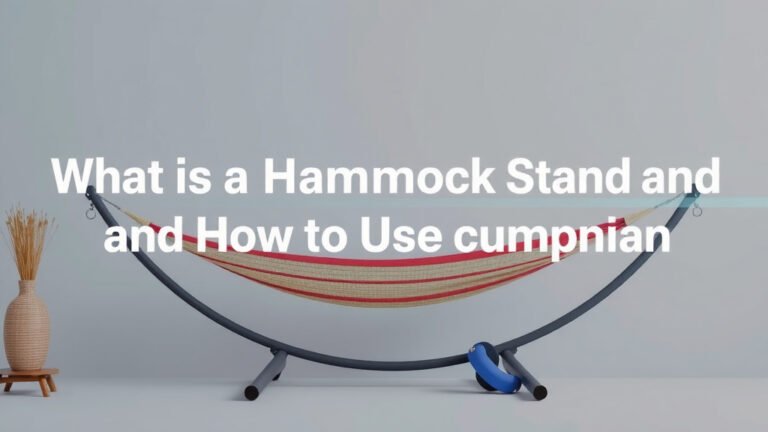
Can I use a spreader bar hammock on a stand without tipping?
Yes, as long as you position the hooks correctly. Place the hooks so the bed sits low with a gentle curve, and keep your weight centered. Stands also let you adjust anchor spacing, which makes fine-tuning your hang much easier than trees do. Our guide to sizing a hammock stand explains how to match stand dimensions to your hammock for a stable hang.
How do I know when my spreader bar hammock needs replacing?
Look for frayed ropes, cracked or splintering bars, and one side that sags noticeably lower than the other. If the fabric has stretched unevenly and re-hanging doesn’t level it out, the bed will fight you every time you get in. Retire it before it retires you mid-nap.