What is a Nylon Hammock: Your Guide to Lightweight Comfort
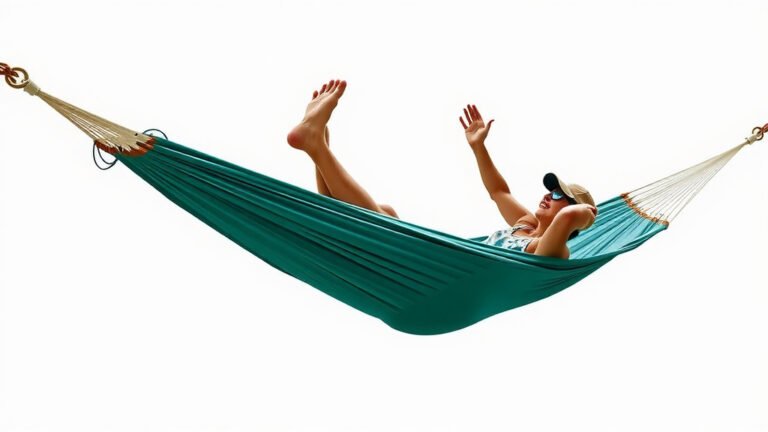
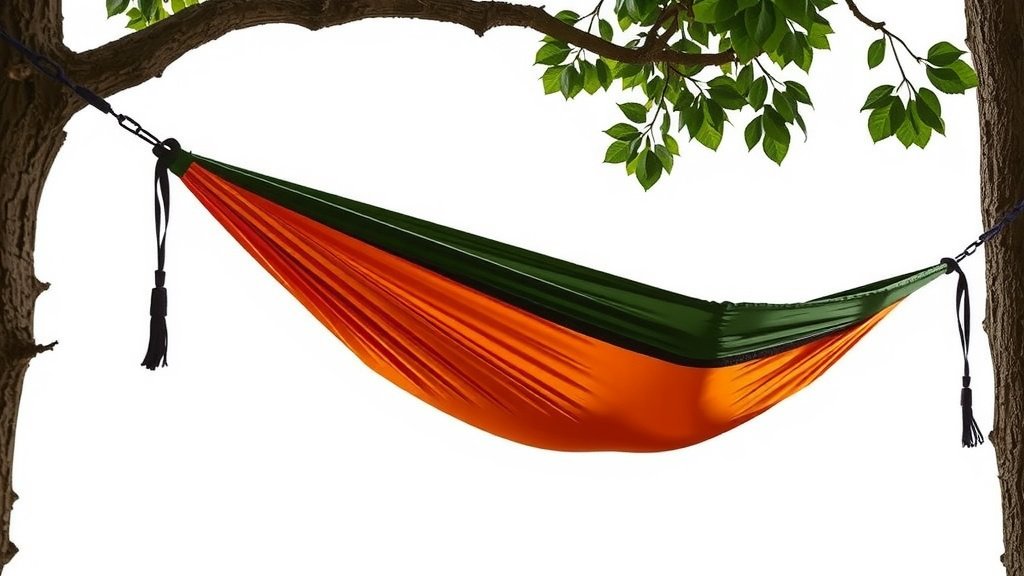
A nylon hammock is a lightweight and portable type of hammock made from synthetic nylon fabric. They are known for being durable, quick-drying, and often come with attached suspension systems for easy setup. Many are designed for outdoor use, like camping or relaxing in your backyard.
Nylon hammocks are a popular choice for their balance of comfort and practicality. Their synthetic nature makes them resistant to mildew and UV rays, unlike some natural fibers. You’ll find them in various designs, from simple single hammocks to larger double versions perfect for sharing.
- A nylon hammock is made from synthetic nylon.
- They are known for being lightweight and easy to carry.
- Nylon hammocks dry quickly and are often resistant to mildew.
- This makes them great for camping, hiking, or backyard use.
Ready to learn more about these versatile hammocks? We’ll break down what makes them so great and what you should look for when choosing one.
Understanding the Nylon Hammock Experience
So, what exactly is a nylon hammock? At its core, it’s a hammock crafted from synthetic nylon fabric. This material choice gives it some pretty fantastic properties. Think of it as a high-tech hammock designed for adventure and relaxation. Nylon is incredibly strong for its weight. This means you get a hammock that can hold you securely without feeling bulky or heavy. It’s like having a superhero cape that turns into a comfy bed!
The Material Matters: Why Nylon?
Nylon is a synthetic polymer. It’s known for its impressive durability and strength. When used in hammocks, it offers a great balance of comfort and resilience. This material is also naturally resistant to stretching and tearing. That’s a big plus for a piece of gear that’s meant to hold your entire body weight. We found that many manufacturers prefer nylon because it’s easy to work with and can be treated for even more benefits.
Key Properties of Nylon Fabric
Nylon’s magic lies in its unique characteristics. It’s lightweight, which makes it ideal for portability. Imagine packing your hammock without it adding much to your backpack. It’s also quite elastic, allowing it to stretch slightly and conform to your body for added comfort. This elasticity helps distribute your weight evenly, reducing pressure points.
- Strength-to-Weight Ratio: Exceptionally strong without being heavy.
- Elasticity: Offers a comfortable, conforming fit.
- Durability: Resists tears and abrasions, standing up to use.
- Quick Drying: Absorbs very little moisture and dries rapidly.
Beyond Basic Nylon: Ripstop and Parachute Fabric
You’ll often see nylon hammocks described as being made from “ripstop” or “parachute” nylon. These aren’t entirely different materials but rather specific weaves or constructions. Ripstop nylon has a grid-like pattern of stronger threads woven at regular intervals. This prevents small tears from spreading, making the fabric much more resistant to damage. Parachute nylon, also known as silnylon (silicone-impregnated nylon), is incredibly lightweight and strong, originally designed for parachutes.
Comparing Nylon to Other Hammock Materials
It’s helpful to see how nylon stacks up against other common hammock materials. This helps you understand why nylon is often the go-to choice for many.
Nylon vs. Cotton
Cotton hammocks offer a wonderfully soft and natural feel. They are very breathable, making them pleasant for lounging on a warm, dry day. However, cotton has its downsides. It absorbs moisture readily, meaning it takes a long time to dry. This can lead to mildew and a musty smell if not cared for properly. Cotton also tends to be heavier and less durable than nylon.
Nylon vs. Polyester
Polyester is another synthetic fabric used for hammocks. It’s also strong, durable, and weather-resistant. In many ways, polyester is similar to nylon. However, nylon generally has a higher tensile strength and is more resistant to abrasion. Polyester can be a bit stiffer than nylon, which some people might notice in comfort. We found that both are good options, but nylon often edges out polyester for pure strength and a slightly softer feel.
Nylon vs. Other Synthetics
There are other synthetic materials like Dyneema or Spectra, which are ultra-high-molecular-weight polyethylene (UHMWPE). These are exceptionally strong and lightweight, often used in high-performance gear. However, they are typically much more expensive. For the average user looking for a great balance of performance, comfort, and affordability, nylon remains a top contender.
| Material | Pros | Cons |
|---|---|---|
| Nylon | Lightweight, strong, quick-drying, mildew-resistant | Can be slippery when wet, synthetic feel |
| Cotton | Soft, breathable, natural feel | Heavy, slow to dry, prone to mildew |
| Polyester | Durable, weather-resistant, affordable | Can be stiffer, less elastic than nylon |

What Makes a Nylon Hammock Great for You?
Nylon hammocks are popular for a reason. Their inherent qualities make them incredibly versatile. Whether you’re planning a backpacking trip or just want a comfortable spot in your backyard, a nylon hammock can fit the bill.
Portability and Ease of Setup
One of the biggest selling points is how easy they are to carry and set up. Most nylon hammocks pack down into a small stuff sack. You can easily toss one into your backpack, car, or even a large tote bag. Many come with integrated suspension systems, often using simple webbing straps and carabiners. This means you can often be relaxing in minutes without needing complex knots or tools. You just need two anchor points like sturdy trees or posts.
Durability and Longevity
Don’t let their lightweight nature fool you; nylon hammocks are built to last. The ripstop weave, mentioned earlier, adds significant resilience. They can withstand regular use, exposure to sunlight (many are UV-treated), and the elements. We found that with proper care, your nylon hammock can be a trusty companion for many adventures and lazy afternoons.
Comfort and Design Considerations
While nylon is a synthetic material, modern designs often focus on maximizing comfort. The slight elasticity allows the hammock to contour to your body shape. You’ll find them in various sizes, from single hammocks perfect for one person to double hammocks spacious enough for two. Some even feature built-in bug nets or weather protection, adding functionality for outdoor enthusiasts.
Quick Drying and Low Maintenance
Life happens, and sometimes your hammock might get wet. Whether it’s unexpected rain or a spilled drink, a nylon hammock is your friend. Because it doesn’t absorb much water, it dries incredibly fast. This is a huge advantage over natural fibers. You can often pack it away damp without worrying about mildew. Plus, cleaning is usually as simple as a quick rinse and air dry. It’s the low-maintenance choice for busy people.
Choosing Your Ideal Nylon Hammock
When you’re ready to pick out your own nylon hammock, keep a few things in mind:
- Size Matters: Consider if you’ll be hammocking solo or with a partner.
- Weight Capacity: Always check the maximum weight limit.
- Suspension System: Does it come with straps, or will you need to buy them separately?
- Fabric Type: Look for ripstop nylon for added durability.
- Extra Features: Do you need a bug net or a rain fly?
- Portability: Does it pack down small enough for your needs?
Conclusion
You now understand that a nylon hammock is your go-to for lightweight adventure and easy relaxation. Its synthetic strength means it’s built to last, resisting the elements and drying in a flash. We found nylon offers a fantastic mix of durability, portability, and comfort for camping, backyard lounging, or any outdoor escape. Ready to experience it for yourself? Your perfect hammock is waiting to be set up, offering countless moments of peaceful suspension.
Frequently Asked Questions
How do I clean a nylon hammock?
Cleaning your nylon hammock is simple. For light dirt, you can wipe it down with a damp cloth. For a more thorough clean, use mild soap and cool water in a bathtub or large sink. Rinse it well and let it air dry completely before storing to prevent mildew.
Can nylon hammocks be used in the rain?
Yes, nylon hammocks are excellent for use in light rain. Their quick-drying nature means they won’t become waterlogged. However, it’s always best to seek shelter during heavy downpours to protect yourself and avoid excessive moisture exposure to the hammock’s suspension system.
Are nylon hammocks comfortable for sleeping?
Many people find nylon hammocks very comfortable for sleeping, especially when set up correctly. The material’s slight elasticity can conform to your body, reducing pressure points. Ensuring you hang it with a slight sag rather than taut is key to a comfortable night’s rest.
What’s the difference between ripstop nylon and regular nylon hammocks?
Ripstop nylon features a special weave with thicker threads at regular intervals. We found this pattern significantly prevents small tears from spreading. A regular nylon hammock might tear more easily if punctured, while ripstop offers enhanced durability against snags and rips.
How long do nylon hammocks typically last?
With proper care and regular use, a quality nylon hammock can last for many years. Factors like UV exposure, frequency of use, and weight capacity are important. We’ve seen users enjoy their reliable nylon hammocks for five to ten years or even longer.