How to Hang a Hammock Without Harming Trees
Yes, you can absolutely protect trees when hanging a hammock! Using the right **hammock straps** is key to preventing bark damage. These wide, durable straps distribute your weight evenly, so the tree doesn’t suffer.
Hanging a hammock shouldn’t scar the bark of your favorite shade provider. Many hammock brands offer tree-friendly straps designed for this purpose. We found that these straps are a simple yet effective way to enjoy your hammock guilt-free, keeping your trees happy and healthy for years to come. It’s all about choosing the right gear.
- Always use wide, flat hammock straps.
- Avoid rope or thin cords that can cut into bark.
- Inspect straps for wear before each use.
- Distribute weight to avoid stressing one spot.
- Choose trees with a diameter of at least 6 inches.
Below, we’ll walk you through exactly how to choose and use hammock straps to keep your trees safe and sound.
Safeguarding Your Trees While Hammocking
You love your trees. They provide shade, beauty, and a natural place to relax. So, when you want to string up your hammock, you naturally wonder: how can I do this without hurting the tree? We get it! The good news is, it’s totally doable with the right approach.
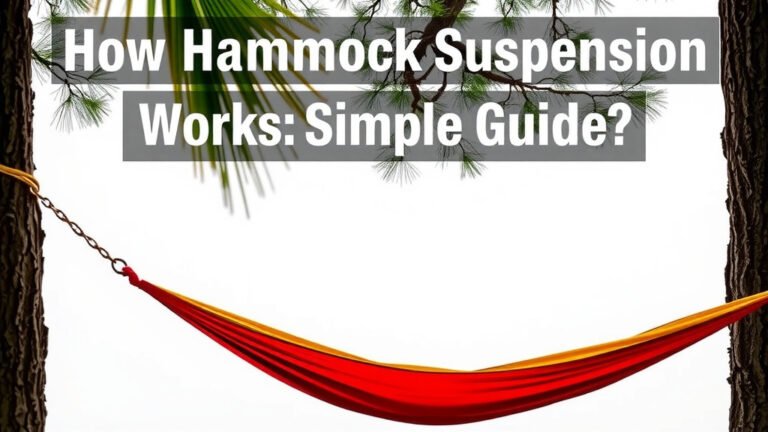
The key to protecting trees is understanding how hammocks attach. Most damage comes from narrow, abrasive materials like rope or wire. These can dig into the bark, damaging the living tissue underneath. Our goal is to spread the weight and use a material that’s gentle on the tree’s skin.
Choosing the Right Hammock Straps: Your Tree’s Best Friend
When it comes to tree protection, hammock straps are your number one tool. Think of them as a buffer between your hammock and the tree’s bark. They are specifically designed to be wide and strong. This design is crucial for preventing harm.
Why Width Matters So Much
We’ve found that the width of your straps makes a huge difference. Narrow ropes or thin cords concentrate all the pressure on a small area. This is like wearing a tight belt that digs into your waist. Over time, this can girdle the tree, restricting its ability to transport water and nutrients.
Hammock straps, on the other hand, are typically 1 to 2 inches wide. This wider surface area distributes the weight of you and your hammock much more evenly. This even distribution significantly reduces stress on any single point of the bark. Many hammock manufacturers and outdoor gear companies now offer these tree-friendly options.
Material Matters: Beyond Rope and Wire
The material your straps are made from is also important. Most quality hammock straps are made from high-strength nylon or polyester webbing. These materials are durable and, importantly, they are smooth. They won’t fray the bark like a rough rope might.
Some older or budget hammocks might come with basic rope. While usable in a pinch, we strongly advise against using rope for regular hammock hanging. You risk doing long-term damage to your tree. If your hammock came with rope, consider investing in a dedicated set of hammock straps. It’s a small cost for a big environmental benefit.
Looking for the “Tree-Friendly” Label
When shopping, keep an eye out for straps marketed as “tree-friendly” or “tree-safe.” These usually meet the criteria we’ve discussed: wide, durable webbing. Many sets will explicitly state their width and material, so you can make an informed choice.
The Art of Hanging Your Hammock: Technique and Best Practices
Once you have the right straps, the next step is knowing how to use them. Proper technique ensures your hammock is secure and your trees remain happy.
Finding the Perfect Pair of Trees
Not all trees are created equal when it comes to hammock hanging. You need trees that are sturdy and healthy. We’ve found that a tree with a minimum diameter of 6 inches (about the width of a dinner plate) is generally a good starting point for supporting a standard hammock.
Avoid young saplings, as they are too fragile. Also, steer clear of trees that look unhealthy. Signs of a struggling tree include dead branches, excessive fungus growth, or loose bark. Always assess the tree’s overall health before you hang anything.
Proper Strap Placement and Tension
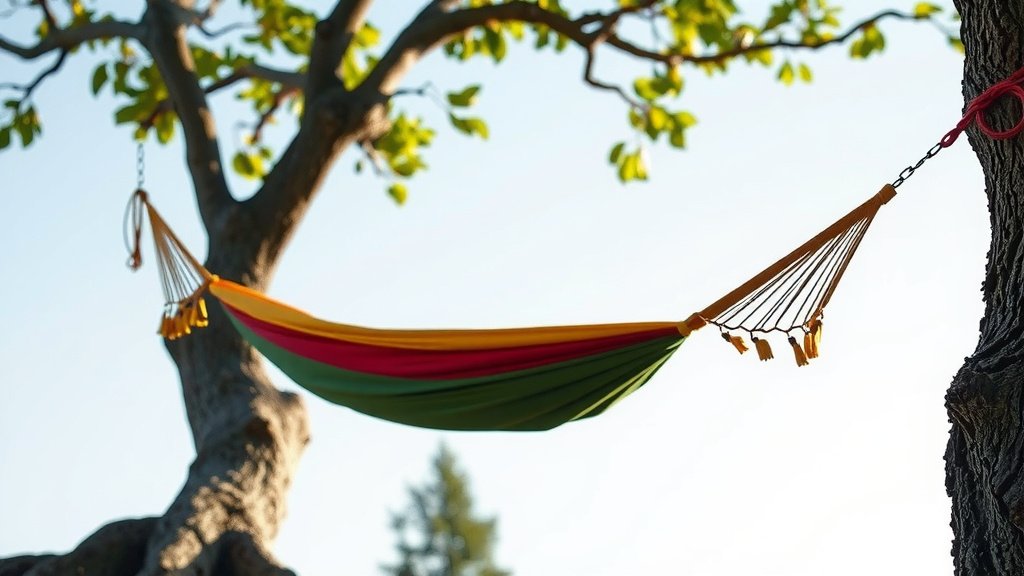
When you wrap the straps around the tree, aim for a height that allows your hammock to hang with a gentle curve. You don’t want it pulled too taut. A common recommendation is a 30-degree hang angle. This provides a comfortable experience and puts less strain on the anchor points.
Wrap the strap around the trunk, not over any low-hanging branches that might be weaker. Then, loop the strap through itself or use the provided hardware (like carabiners or D-rings) to secure it. Make sure the strap lies flat against the bark. You want to avoid any twisting or bunching, which can create pressure points.
Weight Distribution: A Gentle Approach
Remember, your weight is the force you’re working with. Distribute this force as best you can. Using two separate straps, one on each tree, is the standard and safest method. This naturally divides the load.
Avoid anchoring both ends of your hammock to a single tree or to a very weak point. This is where damage can occur quickly. If you’re hanging your hammock in your backyard and only have one sturdy tree, you might need to look into hammock stands as an alternative. This keeps the trees completely out of the equation.
Maintenance and Inspection: Ongoing Tree Care
Protecting your trees isn’t a one-time setup. It requires a little ongoing attention.
Regularly Inspect Your Gear
Before each hammock session, give your straps a quick once-over. Look for any signs of wear and tear. This includes fraying, cuts, or worn stitching. Damaged straps can fail, leading to a fall and potentially damaging the tree if the strap breaks and snaps back.
Check on the Trees, Too
Periodically, take a look at the bark where your straps typically rest. Are there any signs of damage? If you notice any irritation, it might be time to adjust your hanging spot slightly or use a different set of straps. Giving the tree a break in that exact spot can help it heal.
Store Your Straps Properly
When you’re done using your hammock, take down the straps. Store them somewhere dry and out of direct sunlight. This helps prolong their lifespan and keeps them in good condition for your next relaxing moment. Proper storage means less wear and tear on the straps themselves.
Quick Checklist for Tree-Friendly Hammocking
- Choose wide (1-2 inch) webbing straps.
- Ensure straps are made of smooth nylon or polyester.
- Select healthy trees with at least a 6-inch diameter.
- Wrap straps flat, avoiding twists or bunching.
- Inspect straps and trees before every use.
- Consider tree stands if adequate trees aren’t available.
Conclusion
You’ve learned that protecting trees while enjoying your hammock is totally achievable. It boils down to using the right gear and a bit of know-how. By choosing wide, smooth hammock straps and being mindful of how you attach them, you’re doing your part for tree health. Remember, your hammock should be a source of relaxation, not a stressor for your favorite trees. So, go ahead and hang your hammock responsibly!
Your next step? Make sure you have a good set of tree-friendly straps before your next outdoor adventure. You’ll both be happier for it.
Frequently Asked Questions
Will hammock straps damage trees over time?
No, when you use proper hammock straps, they are designed to prevent damage. Their wide surface area distributes your weight, unlike thin ropes which can cut into the bark. We found that consistently using these straps keeps trees healthy.
What if I only have one good tree available?
If you only have one sturdy tree, it’s best to avoid hanging your hammock directly from it with straps alone. Consider using a hammock stand as an alternative. This keeps the tree completely out of the equation and is a great option for smaller yards.
Can I use the rope that came with my hammock?
We advise against using thin rope regularly for hanging your hammock. While it might seem convenient, rope can easily dig into the bark and cause long-term harm to the tree. Investing in dedicated hammock straps is a small price for tree safety.
How often should I check my hammock straps and the trees?
It’s a good practice to inspect your straps before each use for any signs of wear or damage. You should also periodically check the trees where the straps make contact. Look for any irritation on the bark and consider shifting your hanging point if needed.
What’s the minimum size tree I should use for my hammock?
We’ve found that a tree with a minimum diameter of about 6 inches is generally suitable for hanging a standard hammock. Avoid young saplings or trees that appear unhealthy. Always assess the tree’s overall strength and health before hanging.