
What is a Fabric Hammock? Your Guide to Cozy Relaxation
A fabric hammock is a type of hammock made primarily from soft, flexible materials like cotton, polyester, or nylon. It’s designed to be a comfortable and portable resting spot, perfect for lounging outdoors. Think of it as a cozy fabric sling that cradles you gently.
Unlike hammocks made from rigid materials, fabric hammocks offer a unique blend of comfort and flexibility. They conform to your body, providing excellent support and a feeling of weightlessness. Many people love them for their ability to pack down small, making them great for camping or travel.
- Fabric hammocks use soft materials for comfort.
- They are known for their flexibility and body-conforming support.
- These hammocks are often lightweight and portable.
- Perfect for relaxing, camping, and travel.
- They offer a unique, cozy lounging experience.
Ready to discover the perfect fabric hammock for your needs? Let’s get into the details and find your ideal spot for relaxation.
What Exactly Is a Fabric Hammock?
A fabric hammock is a flexible sling made from various textiles, designed for relaxation. It’s your personal, portable piece of calm. Think of it as a cozy fabric cloud that gently hugs you. Unlike rigid structures, it moves with your body. This makes it super comfortable for lounging. You can find them made from natural fibers like cotton or durable synthetics like polyester and nylon. Each material offers its own feel and performance. They are a popular choice for their blend of comfort and convenience.
Materials Matter: What Fabrics Are Used?
The type of fabric used greatly influences the hammock’s feel and function. Cotton is a classic choice. It’s known for being soft and breathable, offering a wonderfully natural feel against your skin. However, cotton can be susceptible to moisture and mildew if left outdoors. Polyester is a more durable synthetic option. It resists fading, stretching, and moisture, making it a great choice for outdoor use. Many polyester hammocks are designed to dry quickly. Nylon is another strong contender, often used in camping hammocks. It’s known for its incredible strength-to-weight ratio and good elasticity. This makes nylon hammocks lightweight and yet very sturdy.
Cotton: The Classic Comfort
Cotton hammocks offer a familiar, soft embrace. They feel great, especially on warm, dry days. Many people love the natural, organic feel of cotton. It’s a breathable fabric. This means you won’t feel too hot when you’re lounging. However, cotton isn’t the best for damp environments. It can absorb moisture and take a while to dry. This might lead to mildew if not cared for properly. If you plan to use your hammock primarily indoors or in a very dry climate, cotton is a fantastic choice for pure comfort.
Polyester: Durability Meets Comfort
When you need something a bit more robust, polyester often steps in. This synthetic fabric is quite resilient. It stands up well to sunlight, rain, and general wear and tear. Polyester hammocks tend to be fade-resistant. They also resist stretching out of shape over time. Many are treated to repel water. This means they dry faster than their cotton counterparts. Polyester provides a good balance between comfort and long-lasting performance, making it a popular outdoor choice.
Nylon: Lightweight and Strong
For the adventurers among us, nylon hammocks are a dream. They are exceptionally lightweight. This makes them perfect for packing into a backpack. Don’t let their light weight fool you, though. Nylon is incredibly strong. It can support significant weight. Nylon also has a bit of stretch. This elasticity helps cradle your body comfortably and absorbs some of the shock if you move around. Many camping hammocks are made from parachute nylon for this exact reason.
Design Variations: How They Differ
Fabric hammocks aren’t one-size-fits-all. They come in various designs, each offering a slightly different experience. The most common types include the gathered-end hammock and the hammock chair. Some also feature spreader bars, which keep the fabric flat. Let’s look at how these designs impact your comfort.
Gathered-End Hammocks: The Classic Sling
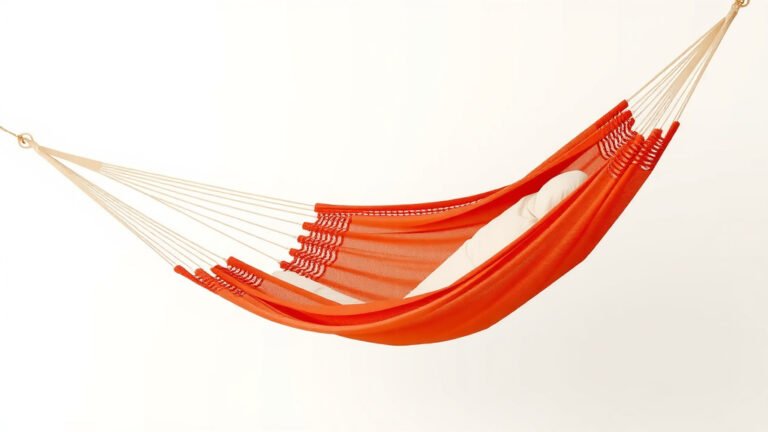
This is perhaps the most iconic fabric hammock. It’s essentially a long piece of fabric gathered at both ends. This gathering creates a deep, cocoon-like shape. It’s designed to be used at an angle, not straight across. This technique allows you to lie back comfortably without feeling like you’re being squeezed. Many found this design to be the most relaxing. It truly lets you sink in and feel suspended. These are often the most portable options, too.
Spreader Bar Hammocks: The Flat Lounger
A spreader bar hammock uses wooden or metal rods at each end. These bars hold the fabric taut and flat. This creates a more open lounging surface, similar to a bed. You can lie flat on your back without the fabric wrapping around you. This design can be very comfortable for those who prefer not to feel enclosed. However, they can be less stable than gathered-end hammocks. They are also generally heavier and less portable. We’ve found they can also be more prone to tipping if you’re not careful.
Hammock Chairs: A Cozy Seat
Fabric hammock chairs offer a more upright seating experience. They use a single suspension point. This allows them to swing gently. They are perfect for reading or enjoying a cup of coffee. They take up less space than a full hammock. Many are designed to be hung from a stand or a sturdy beam. They provide a delightful, cozy spot to relax without needing a lot of room.
Who Are Fabric Hammocks For?
The beauty of fabric hammocks lies in their versatility. They appeal to a wide range of people. Whether you’re a seasoned camper, a backyard relaxer, or someone who loves to travel, there’s likely a fabric hammock for you.
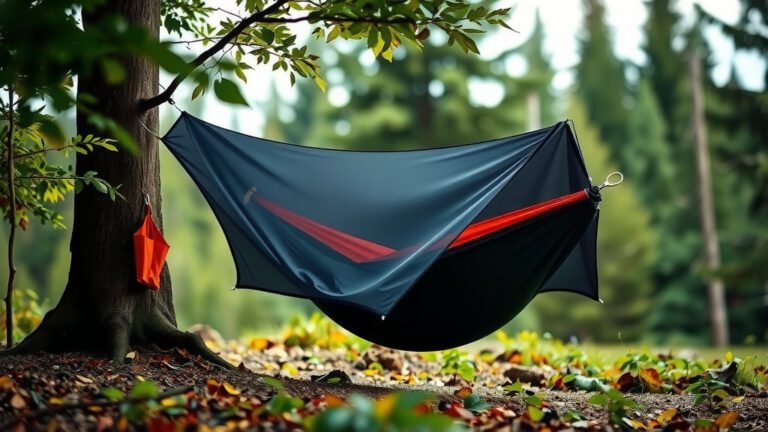
Campers and Hikers: You’ll love how lightweight and compact most fabric hammocks are. They take up minimal space in your pack. Setting them up between two trees is quick and easy. They offer a comfortable bed off the damp ground. Many experts recommend them for their portability and comfort in the outdoors.
Home Gardeners: Imagine stepping out into your backyard. You’ve got a favorite book and a refreshing drink. A fabric hammock strung between two trees or on a stand transforms your yard into a personal oasis. It’s a fantastic way to enjoy your outdoor space. They add a touch of bohemian charm too.
Travelers and Beachgoers: A quick-drying polyester or nylon hammock is perfect for vacations. They can be set up on a beach, by a lake, or in a hotel room. They provide a comfortable place to unwind wherever you go. Many are small enough to fit into a tote bag.
Apartment Dwellers: No yard? No problem! With a hammock stand, you can enjoy the comforts of a hammock right on your balcony or even indoors. Hammock chairs are especially well-suited for smaller spaces. They offer a cozy nook without taking up too much floor space.
Key Considerations Before You Buy
Before you settle on your perfect fabric hammock, think about a few things. Your intended use will guide your choice. Consider the material. Think about the size and weight capacity. Also, consider whether you’ll need a stand or hanging hardware.
Here’s a quick checklist to help you decide:
- Where will you use it most? (Indoors, backyard, camping?)
- What kind of weather will it face? (Sun, rain, humidity?)
- How important is portability?
- How much weight does it need to support?
- Do you already have a place to hang it?
- What’s your budget?

Conclusion
You’ve learned that a fabric hammock offers a wonderfully cozy and versatile way to relax. Whether you prefer the natural feel of cotton, the durability of polyester, or the lightweight strength of nylon, there’s a fabric hammock perfect for your needs. From backyard lounging to adventurous camping trips, these hammocks provide adaptable comfort. Now that you understand the different materials and designs, you’re ready to choose the one that will become your favorite spot for unwinding. Go ahead and find your perfect fabric hammock to start enjoying those moments of peaceful suspension!
Frequently Asked Questions
How do I hang a fabric hammock?
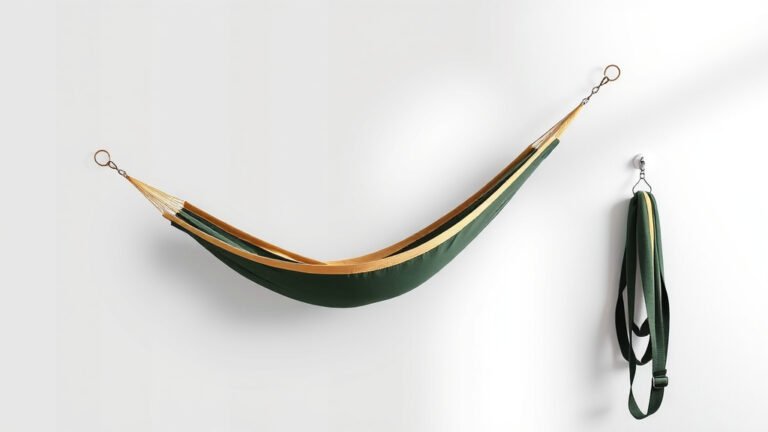
You can hang fabric hammocks between two sturdy trees using strong straps. Alternatively, you can use a dedicated hammock stand or secure mounting hardware to a wall or ceiling joist. Always ensure your hanging points are strong enough to support the hammock’s weight capacity.
Can I leave my fabric hammock outside all the time?
It’s generally best to bring your fabric hammock indoors when not in use, especially if it’s made of cotton, as prolonged exposure to the elements can cause damage. Polyester and nylon hammocks are more weather-resistant, but still benefit from being stored dry to prolong their lifespan.
What’s the difference between a gathered-end and a spreader bar hammock?
A gathered-end hammock is a simple fabric sling that cocoons you when you lie in it at an angle. A spreader bar hammock uses bars to keep the fabric flat, offering a more open lounging surface where you can lie on your back without feeling enclosed.
Are fabric hammocks comfortable for sleeping?
Yes, many people find fabric hammocks very comfortable for sleeping, especially gathered-end styles that allow you to lie in a flatter, diagonal position. The material conforms to your body, offering excellent support. It’s a great alternative to sleeping on the ground for campers.
How do I clean my fabric hammock?
Most fabric hammocks can be cleaned by hand washing with mild soap and cool water. For cotton, avoid excessive scrubbing and ensure it dries completely away from direct sunlight to prevent fading. For polyester or nylon, a gentle rinse and air dry are usually sufficient.