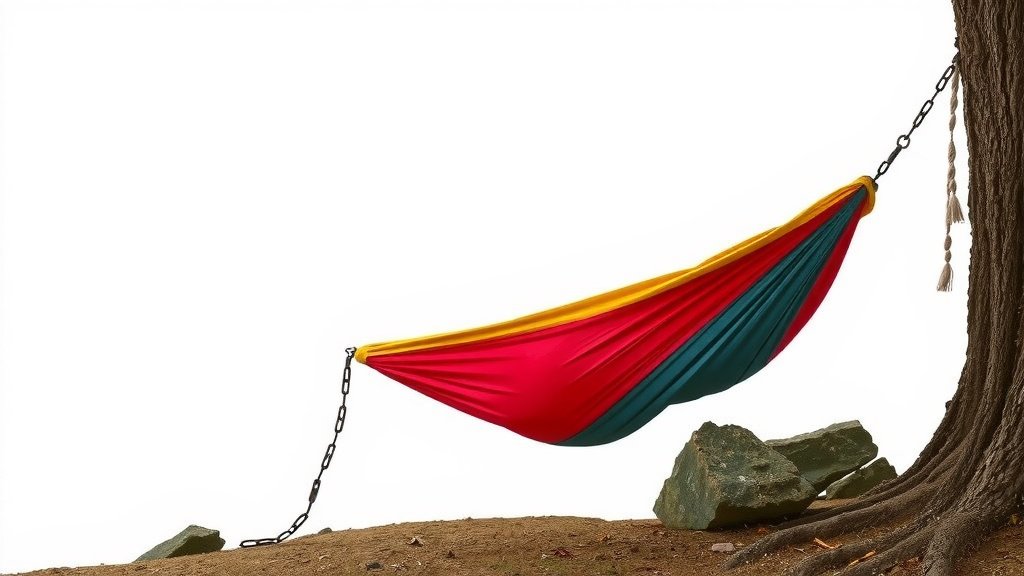
Camping Hammock: Your Ultimate Guide to Relaxing Outdoors
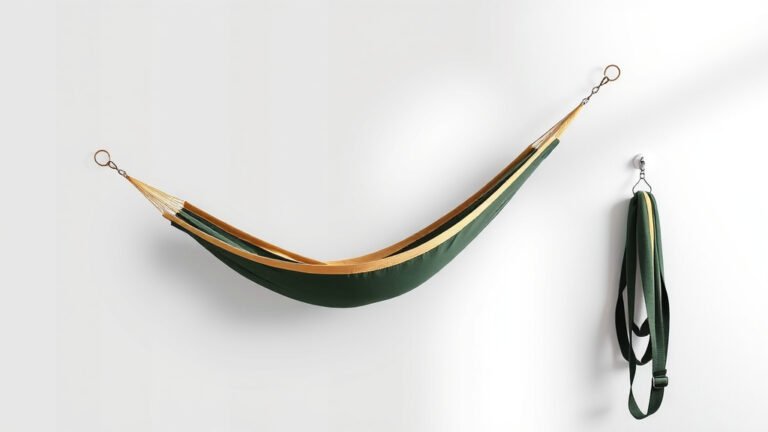
A camping hammock is a portable bed made of fabric that hangs between two anchor points, like trees or poles. It’s designed for relaxing and sleeping outdoors, offering a comfortable alternative to traditional tents. Think of it as your personal, suspended cozy spot in nature.
Unlike a regular hammock meant just for lounging, a camping hammock is built for durability and often includes features for sleeping, like bug nets and rain tarps. We found that many campers prefer them for their lightweight design and the unique sleeping experience they provide, letting you sleep soundly above the ground.
- A camping hammock is a fabric bed you hang between two points.
- It’s great for sleeping and relaxing outdoors.
- They are typically lightweight and easy to set up.
- Many come with optional accessories for added comfort and protection.
- It’s a fun way to sleep off the ground!
Ready to find out if a camping hammock is right for your next adventure? Let’s walk through exactly what makes them so popular and how they work.
“`htmlUnderstanding Your Camping Hammock Setup
So, you’ve heard about camping hammocks and are curious what sets them apart from a backyard lounger? We’re here to break it down. A camping hammock is essentially a lightweight, durable fabric bed designed to be suspended between two sturdy anchor points, usually trees or specialized hammock stands. Think of it as your personal, portable bedroom suspended above the ground. Unlike your typical hammock meant for a lazy afternoon, these are engineered for stability and comfort during overnight stays, often in the wilderness.
What’s So Special About a Camping Hammock?
The magic of a camping hammock lies in its versatility and portability. We found that they pack down small, fitting easily into a backpack. Setting them up is usually a breeze. You just need two strong anchor points and a suspension system, like straps or ropes. This makes them a fantastic option for backpackers who need to save space and weight. Plus, sleeping off the ground means you avoid uneven terrain, pesky roots, and crawling critters. It’s like having your own private, elevated campsite.
Many campers prefer them because they offer a unique sleeping experience. We’ve seen that the gentle sway can be quite soothing and relaxing. It’s a feeling that many describe as floating on air. This can lead to a deeper, more restful sleep for some, especially when compared to the hard ground or a lumpy sleeping pad. It’s a different kind of connection with nature – you’re truly immersed without being on it.
Key Features That Make It a “Camping” Hammock
While any hammock can be used for lounging, a camping hammock has specific design elements. We found that durability is a top priority. They are typically made from strong, ripstop nylon or polyester. This ensures they can handle the weight and stress of sleeping. Many models are also designed to be weather-resistant. You might find them water-repellent, which is a big plus if you’re caught in a light shower. The fabric itself is often breathable, preventing you from getting too hot and sticky during warmer nights.
Built for the Outdoors
Weight and packability are also huge considerations. We’ve seen that manufacturers aim to make camping hammocks as light as possible without sacrificing strength. This is crucial for anyone carrying their gear long distances. The suspension systems are also designed to be robust yet lightweight. Common options include webbing straps, whoopie slings, or rope, all engineered to be strong and kind to trees.
Comfort and Protection
Many camping hammocks offer integrated features or optional add-ons for enhanced comfort and protection. You might find models with built-in bug nets to keep those buzzing pests away. We’ve also seen rain tarps that can be set up over your hammock to shield you from the elements. These accessories transform your simple hammock into a complete, self-contained shelter. It’s about creating your own little oasis, no matter where you pitch your camp.
How Does a Camping Hammock Actually Work?
The fundamental principle is simple: suspension. You attach your hammock to two anchor points using a suspension system. The weight of the person inside the hammock then distributes evenly along the fabric and the anchor points. This creates a stable, comfortable sleeping surface. It’s physics in action, providing a gentle lift rather than a hard stop like the ground.
Choosing Your Anchor Points
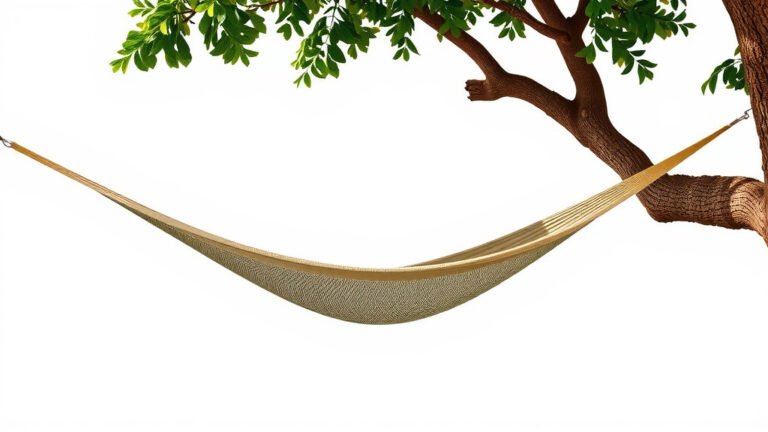
Most often, you’ll be looking for two sturdy trees. We’ve found that trees with a diameter of at least 6-8 inches are generally recommended to ensure they can bear your weight safely. It’s important to use tree-friendly straps to avoid damaging the bark. If trees aren’t available, you might use specialized hammock stands or even secure your hammock to your car or a sturdy rock formation, depending on your situation and gear.
Suspension Systems Explained
The way you connect your hammock to its anchors is through the suspension system. Common types include:
- Webbing Straps: These are flat, strong straps that wrap around trees. They often have multiple loops for easy adjustment.
- Rope: Durable ropes can be used, but you need to be careful about tree damage and know how to tie secure knots.
- Whoopie Slings: These are adjustable cordage systems that are very lightweight and allow for precise tensioning.
We found that many beginners start with webbing straps because they are straightforward and tree-friendly. For ultralight backpackers, whoopie slings are often a favorite choice due to their minimal weight and adjustability.
Achieving the Perfect Hang
Getting a comfortable hang is key to enjoying your camping hammock. It’s not just about tying it up; it’s about the angle. We’ve learned that a good starting point is the “10-degree angle” rule. Imagine a 45-degree angle for the suspension straps. Then, aim for about a 30-degree angle from the hammock body to the strap. This creates a nice, comfortable curve.
When you lie down, you should feel a gentle U-shape, not a tight V. If it’s too tight, you’ll feel like you’re being squeezed. If it’s too loose, you might find yourself sliding around. Experimentation is your friend here. Many seasoned hammock campers suggest finding that sweet spot where you can lie flat on your back, or even on your side, feeling fully supported. It takes a little practice, but once you nail it, it’s pure bliss. We found that a comfortable hang often feels like you’re suspended in a gentle cradle.
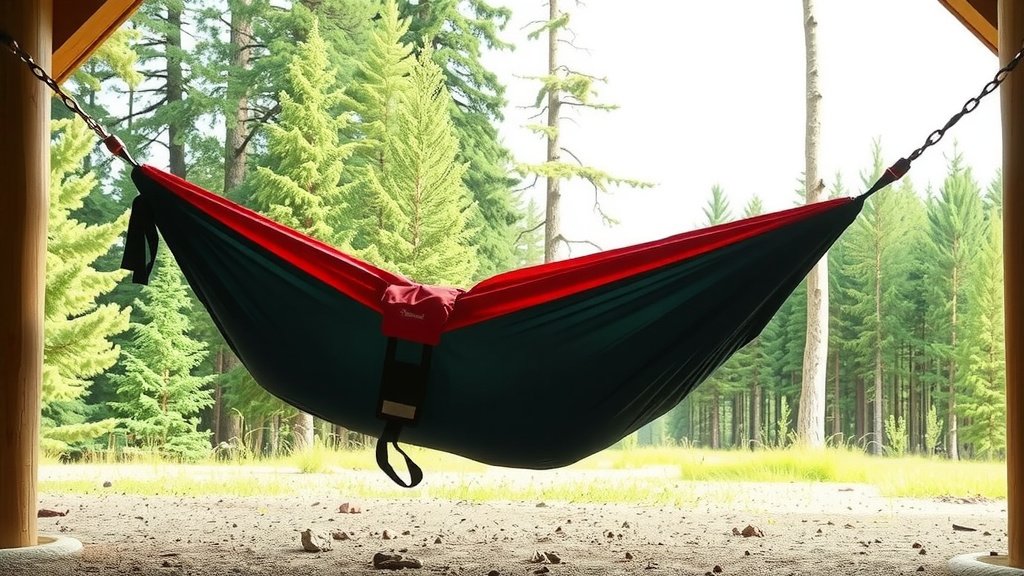
Hammock vs. Tent: What’s the Verdict?
Choosing between a hammock and a tent often comes down to personal preference and the type of camping you do. We’ve found that hammocks excel in certain situations. For instance, if you’re camping in a forest with plenty of trees, a hammock is a fantastic, lightweight option. They often weigh less than a comparable tent, especially when you consider the suspension system and tarp.
However, tents offer more versatility in terms of location. You can set up a tent on almost any flat surface, from sandy beaches to rocky alpine terrain where trees are scarce. Tents also provide more enclosed space, which can be nice for organizing gear or if you’re camping with a partner or pet. We found that the decision often hinges on where you plan to camp and how much gear you’re carrying.
Here’s a quick comparison to help you decide:
| Feature | Camping Hammock | Tent |
|---|---|---|
| Weight | Typically lighter | Can be heavier, especially for larger sizes |
| Setup Location | Requires two anchor points (trees, stands) | Can be set up on most flat surfaces |
| Comfort (for some) | Can feel like floating, less pressure points | Can be firm, potential for uneven ground |
| Weather Protection | Relies on separate tarp; may have less wind protection | Integrated rainfly and often better wind resistance |
| Bug Protection | Often requires separate or integrated bug net | Integrated mesh panels |
| Space | More confined sleeping area; limited gear storage | More interior space for gear and movement |
Many experienced campers use both, choosing their shelter based on the specific trip. A hammock might be perfect for a summer backpacking trip through a national forest, while a tent is better for a family car-camping trip in an open campground. It’s not about one being universally better, but about finding the right tool for the job. We’ve seen that understanding these differences helps you make a more informed choice for your outdoor adventures.
Think about your typical camping style. Do you love the idea of sleeping suspended among the trees? Or do you prefer the solid ground and the feeling of a complete, self-contained shelter? Your answer will guide you toward the best option for your needs. The goal is always a comfortable and safe night’s sleep!
“`Conclusion
You’ve learned that a camping hammock is much more than just a place to relax outdoors. It’s a thoughtfully designed piece of gear for comfortable, portable sleeping. We’ve seen how their lightweight nature, ease of setup, and unique suspended sleeping experience make them a favorite for many adventurers. Whether you’re a seasoned backpacker or just starting your journey into the outdoors, understanding what makes a camping hammock special can help you decide if it’s the right shelter for you. Ready to experience sleeping among the trees? Your next comfortable night’s sleep under the stars might just be a hammock away!
Frequently Asked Questions
Are camping hammocks comfortable for sleeping all night?
For many users, yes! We found that once you achieve the perfect hang, the gentle sway and even weight distribution can lead to a very restful sleep. It often feels like floating, which can be more comfortable than a lumpy sleeping pad or uneven ground.
What is the weight limit for a camping hammock?
Weight limits vary by hammock, but most quality camping hammocks are designed to safely hold at least 250 to 400 pounds. It’s always wise to check the manufacturer’s specifications for the specific model you are considering to ensure it meets your needs.
Can I use a camping hammock without trees?
Absolutely. While trees are the most common anchor points, you can also use specialized hammock stands or secure your hammock to sturdy posts or your vehicle. Some backpackers even use trekking poles for temporary setups if suitable anchors aren’t available.
Do I need a special sleeping bag for a camping hammock?
While you can use a regular sleeping bag, a specialized underquilt is often recommended for colder weather. Hammocks can create “cold spots” from air circulation underneath, and an underquilt provides insulation to keep you warm and cozy.
How do I protect my camping hammock from rain?
Most camping hammocks are designed to be used with a separate rain tarp. These tarps are suspended above your hammock to create a waterproof shelter, keeping you dry and comfortable even in wet conditions.