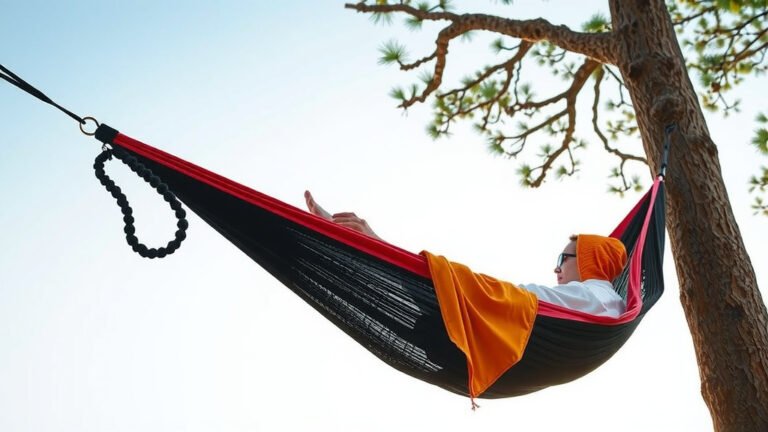

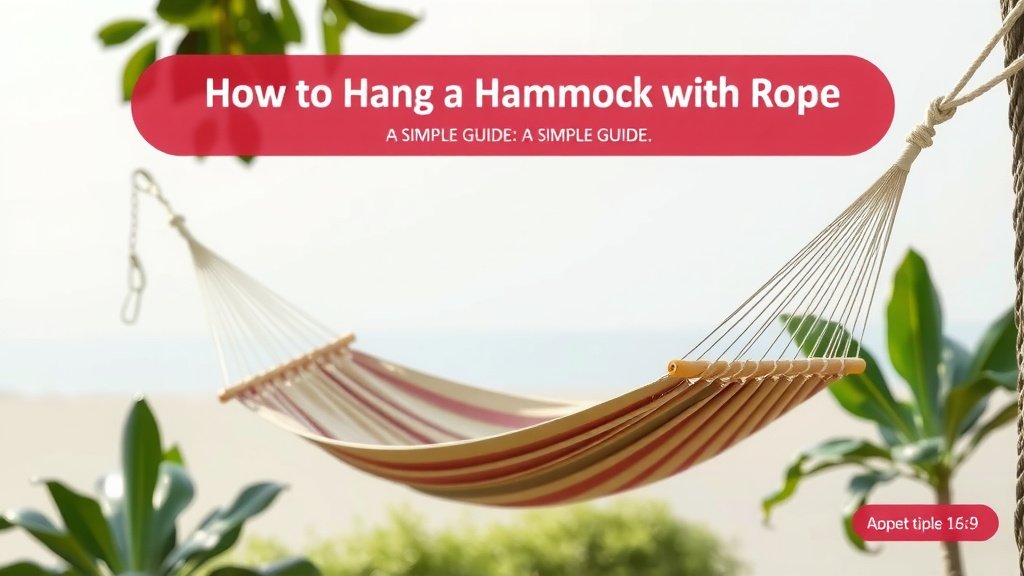
How to Hang a Hammock with Rope: A Simple Guide
The easiest way to hang a hammock with rope involves choosing strong anchor points and using secure knots. You’ll need to ensure your ropes are rated for the weight and that your trees or posts can handle the load. This method is straightforward and offers a reliable way to enjoy your hammock.
Hanging a hammock correctly is key to your comfort and safety. Many people wonder about the best anchor points and rope types. We found that using sturdy hardware and checking your setup regularly prevents most issues. It’s about creating a relaxing space, not a stressful one.
- Choose strong trees or posts.
- Use weight-rated rope.
- Learn a few secure knots.
- Test your hammock before fully relaxing.
Ready to get your hammock up? Let’s walk through exactly how to hang it step by step, making sure it’s secure and ready for lounging.
Your Guide to Hanging a Hammock with Rope
So, you’ve got a brand new hammock and you’re itching to relax in it. Hanging a hammock with rope might seem simple, but doing it right makes all the difference between a serene afternoon and a wobbly, unsafe experience. We’ve researched the best methods to ensure your hammock setup is secure and enjoyable.
Let’s break down how to get your hammock suspended safely between two sturdy anchor points. We’ll cover everything from choosing your ropes to tying the knots that hold your relaxation zone up. Think of this as your blueprint for maximum chill.
Finding the Perfect Anchor Points
Your anchor points are the backbone of your hammock setup. They need to be strong enough to support your weight and the hammock’s dynamic movement. For a safe and sturdy hang, you’ll want to choose wisely.
Choosing Sturdy Trees
Trees are often the go-to for hammock hanging. But not all trees are created equal for this purpose. You’re looking for mature, healthy trees with a decent trunk diameter.
Many outdoor enthusiasts and hammock manufacturers recommend trees that are at least 6 inches (about 15 cm) in diameter. This provides a strong base. Avoid trees that look sickly, have visible damage, or are leaning precariously. A quick check of the root system can also offer peace of mind. You want to ensure the tree is firmly planted in the ground.
Using Hammock Stands or Posts
If trees aren’t an option, or you prefer a more permanent setup, hammock stands or sturdy posts are excellent alternatives. These offer a consistent and reliable anchor point.
For posts, similar to trees, diameter matters. Aim for posts that are at least 4 inches (about 10 cm) thick, and preferably thicker. If you’re setting posts yourself, bury them deep in the ground, at least 2-3 feet, and consider reinforcing them with concrete for maximum stability. We found that posts specifically designed for hammocks are often the easiest and safest bet.
Assessing the Distance Between Anchors
The distance between your anchor points is key to achieving the right hammock sag. A common recommendation is to have your anchor points about 10-15 feet (3-4.5 meters) apart. This range allows for a comfortable curve.
Too far apart, and your hammock will be stretched too tight, making it uncomfortable. Too close, and it will sag too much, potentially leaving you brushing the ground. We found that a slight adjustment in rope length can help fine-tune the hang once you’ve tied your knots.
Selecting the Right Rope
The rope you choose is just as important as your anchor points. It’s what connects you to your anchors, and it needs to be strong and durable. Not all ropes are created equal for hammock duty.
Weight Capacity is Crucial
This is non-negotiable. Your rope must be rated to hold more than your body weight. Hammock ropes experience a lot of force, especially when you first sit down and as you shift around. Look for ropes with a high working load limit (WLL).
Many sources suggest a minimum WLL of 200-300 pounds (90-135 kg) per rope. However, to be on the safe side, especially if multiple people might use the hammock or if you want extra security, we found that ropes rated for 500 pounds (225 kg) or more are an excellent choice. Always check the manufacturer’s specifications.
Types of Rope to Consider
For hammock hanging, braided ropes are generally preferred over twisted ones. Braided ropes tend to be stronger, more durable, and resist abrasion better. Materials like polyester or nylon are good choices.
Polyester is known for its resistance to UV rays and mildew, which is great for outdoor use. Nylon is very strong and has a bit of stretch, which can make for a comfortable hang. Some dedicated hammock suspension systems use specialized webbing straps, which are also very strong and distribute pressure well on trees.
The Art of Tying Secure Knots
Once you have your anchors and your rope, it’s time to tie them together. The knot you choose needs to be secure, easy to tie, and easy to untie when you’re done relaxing. We’ve found a couple of go-to knots that are perfect for this.
The Bowline Knot: A Reliable Classic
The bowline knot is a sailor’s best friend for a reason. It creates a fixed loop at the end of a rope that won’t slip. It’s strong and, with a little practice, can be tied and untied with relative ease.
Here’s a simple way to think about tying it: imagine a rabbit coming out of a hole, running around a tree, and going back down the hole. The “rabbit” is the end of your rope, the “hole” is the standing part of the rope, and the “tree” is the loop you’re forming around your anchor point. We found that practicing this knot a few times before you’re actually hanging your hammock is a great idea.
The Adjustable Hitch (or Trucker’s Hitch)
This knot is fantastic for creating a bit of tension in your rope. It allows you to adjust how tight or loose your hammock is hanging. It’s a bit more involved than the bowline, but incredibly useful.
The basic idea involves creating a loop, passing the rope through it, and then using a simple hitch to secure it. This effectively gives you a pulley system. Many hammock users appreciate this for fine-tuning their hang. Research shows that variations of the trucker’s hitch are used across many industries for their reliability and adjustability.
Lark’s Head Knot (Cow Hitch) for Simplicity
If you’re using a hammock with integrated loops or carabiners, a simple Lark’s Head knot can work well. It’s very easy to tie and provides a secure connection.
You simply pass the rope through the loop or carabiner, then back through its own standing end. It’s quick and effective for certain types of setups. Just be sure your rope and anchors are strong, as this knot doesn’t offer the same friction or adjustability as others.
Putting It All Together: Your Hammock Checklist
Ready to hang? Here’s a quick rundown to make sure you haven’t missed anything. This checklist will help you confirm your setup is ready for prime relaxation time.
- Anchor Check: Ensure your trees or posts are sturdy and at least 6 inches in diameter.
- Rope Strength: Verify your rope is rated for at least 300-500 lbs per line.
- Attachment Height: Aim for anchor points roughly 5-6 feet (1.5-1.8 meters) off the ground.
- Rope Length: Start with enough rope to comfortably reach your anchors and tie your knots.
- Knot Choice: Have your chosen secure knot (like a bowline or adjustable hitch) ready.
- Test Load: Gently apply weight before fully relaxing to check stability.
With these steps, you’ll be well on your way to enjoying a perfectly hung hammock. Remember, safety first, then comfort!
Conclusion
You’ve learned the essentials for hanging your hammock securely with rope! From picking strong trees or posts to selecting the right weight-rated rope and mastering a couple of reliable knots, you’re ready for some serious relaxation. We’ve covered how crucial anchor strength and proper rope capacity are for your safety and comfort.
Don’t forget to give your setup a gentle test before you fully settle in. Follow these steps, and you’ll create your perfect backyard oasis. Now go on, string up that hammock and enjoy!
Frequently Asked Questions
How far apart should my hammock anchor points be?
For most hammocks, aim for your anchor points to be about 10 to 15 feet apart. This distance allows for the perfect amount of sag. If your anchors are too far, the hammock will be too tight, and if they are too close, it might hang too low.
What kind of rope is best for hanging a hammock?
We recommend using braided ropes made from materials like polyester or nylon. These ropes are generally stronger and more durable than twisted ropes. Always check that the rope has a high weight capacity, ideally rated for 300-500 pounds per line.
Can I hang my hammock between two trees that are different sizes?
Yes, you can, but ensure both trees are healthy and strong enough. If one tree is significantly smaller, you might need to use a wider strap or a different anchoring method on that side to distribute the pressure evenly and protect the tree.
How do I prevent rope burn on trees when hanging my hammock?
To protect tree bark, we found that using wide tree straps specifically designed for hammocks is the best method. These straps distribute the weight over a larger surface area, significantly reducing the risk of damaging the tree.
Is it safe to hang a hammock from a single sturdy post?
Hanging a hammock from a single post isn’t typically recommended for standard hammocks because it won’t create the necessary sag and balance. Hammocks are designed to hang between two points. Special single-post hammock stands are available, but they are designed differently than a simple post.