What Is a Hammock Carabiner? Your Essential Gear Guide
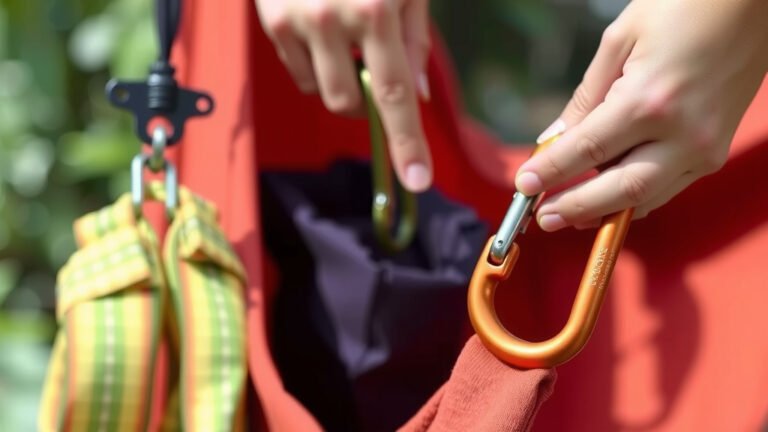
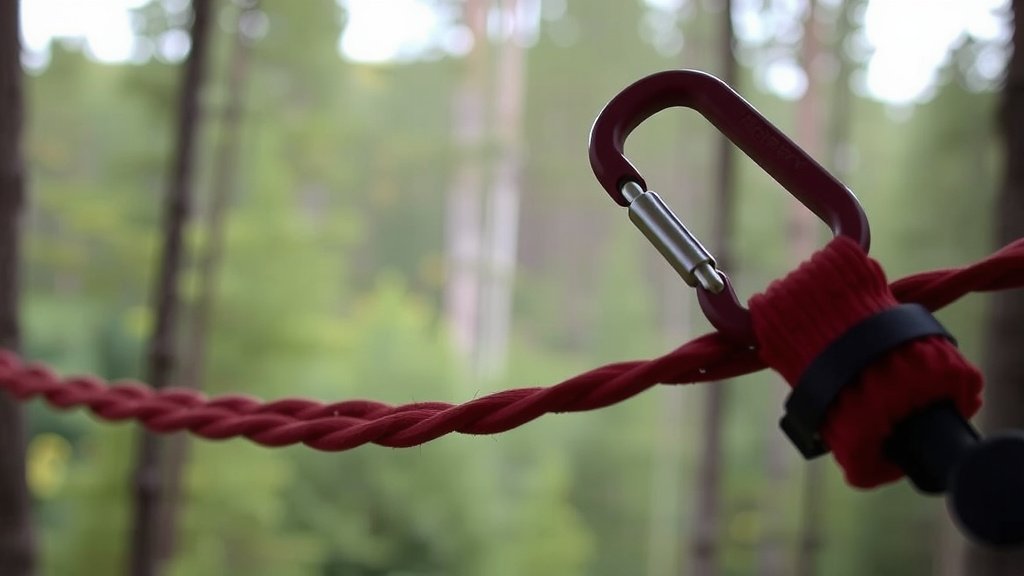
A hammock carabiner is a strong metal clip. It’s designed to securely attach your hammock to its suspension system. Think of it as the beefy link between your hammock and the trees (or whatever you’re hanging from). It’s built to handle weight and outdoor conditions.
You’ll often see these used with suspension straps or ropes. They make setting up and taking down your hammock quick and easy. Many are rated for a high weight capacity, giving you peace of mind. It’s a small piece of gear with a big job!
- It’s a strong metal clip for hanging hammocks.
- It attaches your hammock to straps or ropes.
- They are designed to be very durable.
- They make setting up quick and simple.
Ready to get your hammock setup dialed in? Below, we’ll break down exactly what makes a good hammock carabiner and what you should look for.
Understanding Your Hammock’s Essential Connector
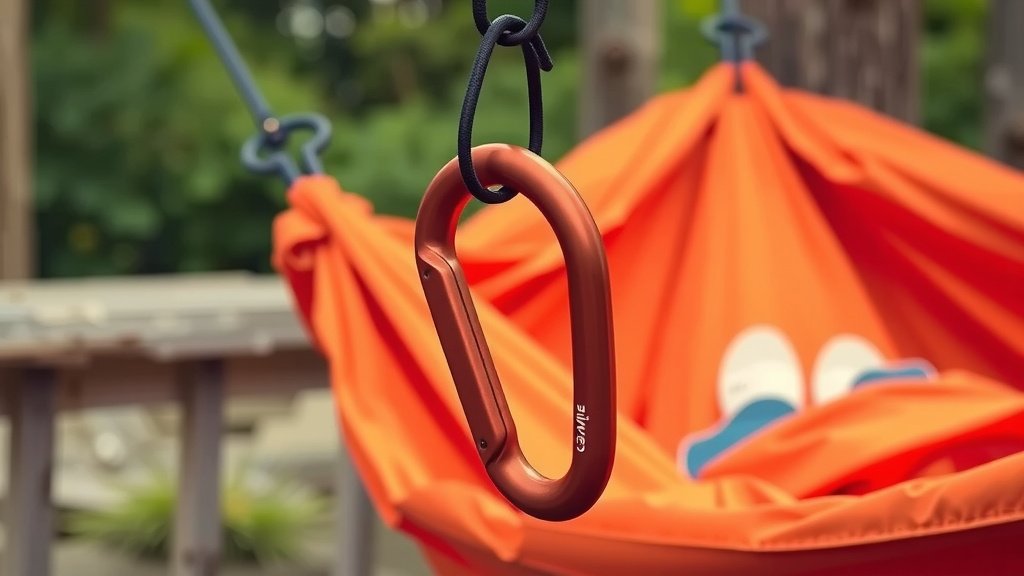
A hammock carabiner is your hammock’s trusty sidekick. It’s the strong metal clip that connects your hammock to its hanging system. Think of it as the beefy link keeping you safely suspended. Many are shaped like a “D” or an oval. This shape helps them bear weight efficiently.
What Makes a Carabiner “For Hammocks”?
While many carabiners exist, hammock carabiners are specifically designed for this job. They are built to handle the dynamic loads that come with hanging and relaxing. Unlike climbing carabiners, they often prioritize ease of use and durability over extreme strength ratings.
Strength and Weight Capacity
The most critical feature is their weight capacity. You’ll see ratings like “22kN” or “25kN.” This refers to their strength in kilonewtons. For general hammock use, a carabiner rated for at least 10kN is usually more than sufficient (REI). Many hammock-specific carabiners will list a user weight limit, like 300 or 400 pounds. Always check this rating to ensure it meets your needs.
Material Matters
Most hammock carabiners are made from aluminum alloy or steel. Aluminum is lighter and won’t rust easily, making it a popular choice for camping and backpacking. Steel carabiners are heavier but often more affordable and incredibly durable. For typical backyard or park use, aluminum is usually the way to go.
Shape and Gate Mechanism
The shape, often a “D,” is important. This design keeps the load closer to the carabiner’s spine, where it’s strongest. You’ll typically find a non-locking gate. This means the gate opens and closes easily without needing a screw lock. This quick action is perfect for fast setup and takedown of your hammock.
Why You Need Dedicated Hammock Carabiners
You might be thinking, “Can’t I just use any old carabiner?” While technically possible, using carabiners designed for hammocks offers key advantages. It’s about safety, convenience, and gear longevity.
Safety First: The Right Tool for the Job
Using carabiners not intended for load-bearing can be risky. Climbing carabiners are overkill and expensive for hammocks. Simple keychain carabiners are definitely not strong enough. Hammock carabiners strike the perfect balance. They provide the necessary strength without unnecessary features or weight. We found that dedicated hammock carabiners are tested for static and dynamic loads relevant to hanging.
Ease of Use: Set Up in Seconds
The non-locking gate is a huge plus. You can easily clip your hammock to your suspension straps and unclip when you’re done. No fumbling with screws or latches, especially when your hands might be cold or your fingers are stiff. This speed makes spontaneous naps a reality!
Durability for the Outdoors
Hammock carabiners are built to withstand the elements. They resist rust and corrosion, especially aluminum ones. They can handle being dropped, scratched, and exposed to sun and rain. This makes them reliable gear for all your adventures.
Key Features to Look For in Hammock Carabiners
When you’re shopping, keep these points in mind. Not all carabiners are created equal, and a little knowledge goes a long way. Think of it like picking the right tool from your toolbox.
Weight Rating and Certifications
Always check the maximum weight capacity. For solo use, 300-400 pounds is common and usually sufficient. If two people plan to share, look for higher ratings. Some carabiners come with certifications like CE or UIAA, though these are more common for climbing gear. For hammocks, manufacturer-specified ratings are usually clear enough.
Size and Shape Considerations
The size of the carabiner matters for how easily it fits with your suspension system. Larger carabiners might be easier to handle, especially with thicker suspension straps. The “D” shape is popular for strength, but oval shapes can also work well. Ensure the gate opening is wide enough for your straps or ropes.
Gate Type: Locking vs. Non-Locking
As mentioned, non-locking gates are standard for hammocks. They offer speed and simplicity. Locking carabiners have a mechanism (screw-lock or auto-lock) to prevent accidental opening. These are generally not needed for hammock use and can add bulk and complexity. Stick with non-locking for ease.
| Feature | Hammock Carabiner (Typical) | Climbing Carabiner (Example) | Keychain Carabiner (Avoid!) |
|---|---|---|---|
| Primary Use | Connecting hammock to suspension | Belaying, rappelling, anchoring | Holding keys, lightweight gear |
| Weight Capacity | 10-25kN (user weight 300-500+ lbs) | 20-30kN+ | Very Low (not load-rated) |
| Gate Type | Non-locking | Locking or Non-locking | Non-locking (spring clip) |
| Material | Aluminum alloy, Steel | Aluminum alloy, Steel | Aluminum alloy, Plastic |
| Durability | Good for outdoor elements | High for extreme forces | Low; prone to bending/breaking |
| Cost | $5 – $20 per pair | $10 – $30+ each | $1 – $5 each |
What to Look for in a Checklist:
- Weight rating sufficient for your needs.
- Durable material like aluminum alloy.
- Easy-to-use non-locking gate.
- A shape that works with your suspension.
- Reputable brand or clear specifications.
- Consider purchasing as a pair for two anchor points.
Conclusion
You’ve learned that a hammock carabiner is a vital piece of gear. It’s more than just a clip; it’s your connection to relaxation. It ensures safety and makes setting up your hammock effortless. Choosing the right carabiner means looking at weight capacity, material, and gate type. We found that a simple, non-locking aluminum carabiner is usually best for most users. Ready to hang? Make sure you have the right carabiners to enjoy your hammock worry-free. Your next chill session awaits!
Frequently Asked Questions
Are all carabiners the same strength for hammocks?
No, carabiner strength varies greatly. Hammock carabiners are specifically rated for the static and dynamic loads of hanging. Avoid using lightweight keychain carabiners, as they are not designed for this type of weight and could fail.
Can I use climbing carabiners for my hammock?
While climbing carabiners are very strong, they are often overkill for hammock use. They are typically heavier, more expensive, and may have locking gates that are inconvenient for quick setup. Hammock-specific carabiners offer the right balance of strength and ease of use.
Do I really need to buy carabiners in pairs for my hammock?
Yes, most hammock suspension systems require two anchor points. You’ll need one carabiner for each side to securely attach your hammock to your suspension straps or ropes. Buying them as a pair is standard and convenient.
What does a weight rating like “10kN” mean for a carabiner?
kN stands for kilonewtons, a unit of force. For hammock use, a rating of 10kN is generally considered very strong and safe for supporting a person’s weight. Higher ratings mean even greater strength.
How do I maintain my hammock carabiners?
For aluminum carabiners, a simple wipe-down with a cloth after use is usually enough. Keep them clean and dry when possible to prevent excessive dirt buildup. Avoid harsh chemicals, and inspect them periodically for any signs of wear or damage.