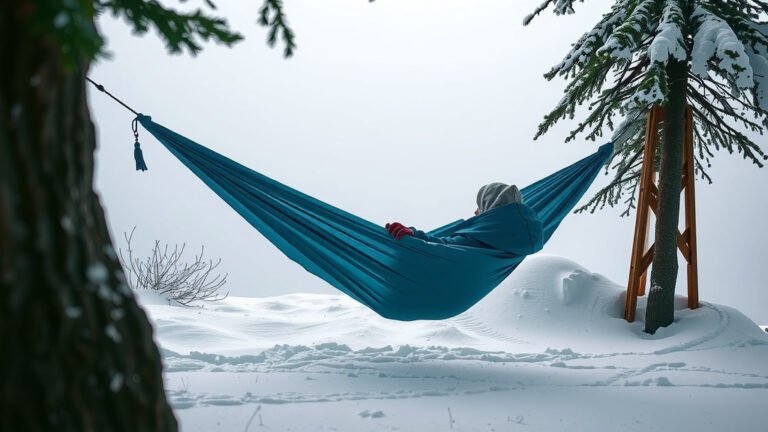
What Is a Backpacking Hammock? Your Essential Guide
A backpacking hammock is essentially a lightweight, portable bed made of fabric that you suspend between two trees or sturdy anchor points. It’s designed for outdoor enthusiasts who want a comfortable and minimalist sleeping solution in nature. Think of it as your personal, portable sleeping cocoon, perfect for camping trips.
Unlike traditional tents, hammocks offer a unique sleeping experience, often leaving you feeling more connected to your surroundings. They are incredibly versatile and can be used for napping during day hikes or as your primary shelter on multi-day backpacking adventures. Many backpackers choose them for their simplicity and reduced pack weight.
- A backpacking hammock is a portable fabric bed.
- It hangs between trees for sleeping outdoors.
- It’s lighter and simpler than a tent.
- Great for camping and backpacking trips.
- Offers a unique connection to nature.
Ready to learn more about this awesome piece of gear? Below, we break down everything you need to know about backpacking hammocks, from choosing the right one to setting it up like a pro.
Understanding the Backpacking Hammock System
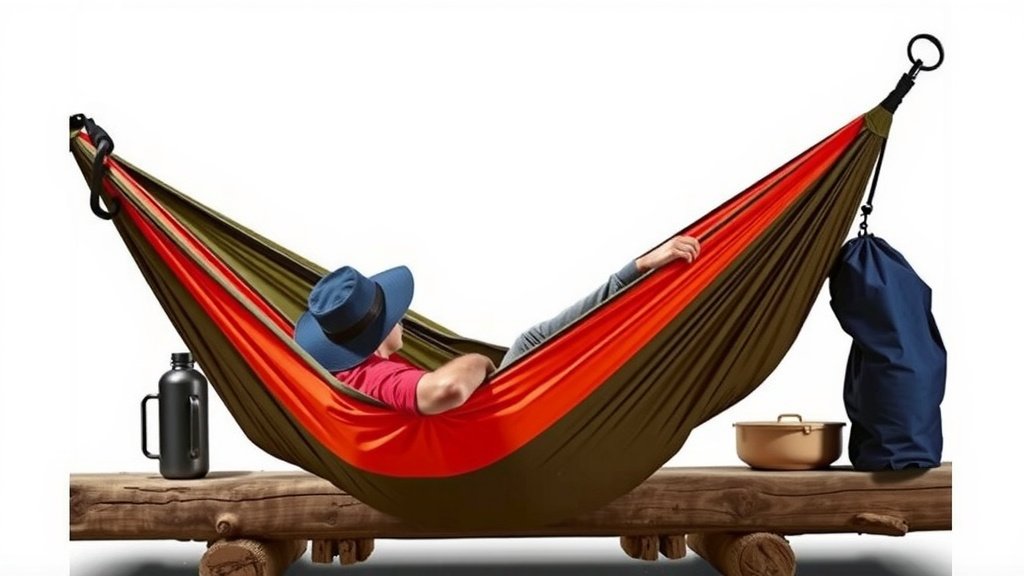
A backpacking hammock is more than just a piece of fabric strung between two trees. It’s a complete sleep system designed for lightweight travel. This system typically includes the hammock itself, suspension straps to attach it to trees, and often a bug net and rain tarp for protection from the elements.
What Makes a Hammock a “Backpacking” Hammock?
The key differentiator for a backpacking hammock is its weight and packability. Unlike backyard hammocks made from heavy cotton, backpacking versions use advanced, lightweight materials like nylon ripstop. They are designed to pack down small, fitting easily into your backpack without adding significant bulk or heft.
You’ll also find they come with specialized suspension systems. These are usually made of strong, lightweight webbing or cord. They are designed to be tree-friendly, meaning they won’t damage the bark of the trees you hang from. This is a big deal for conservation-minded hikers.
The Core Components of Your Hammock Setup
Let’s break down what usually comes with your backpacking hammock or what you’ll need to add:
The Hammock Body
This is the main fabric part where you’ll lie down. They are typically made from ripstop nylon or polyester. These materials are chosen for their strength, durability, and light weight. You’ll find them in various sizes, but most are designed for a single person. Some offer extra width for a more comfortable, flatter sleeping position.
Suspension System
This is how you’ll hang your hammock. Most systems use straps made of strong webbing. These wrap around trees and have loops or carabiners to connect to the hammock. We found that good suspension straps are crucial for a stable and secure hang. Look for straps that are at least 1 inch wide to protect tree bark.
Bug Net (Optional but Recommended)
Mosquitoes and other biting insects can turn a peaceful night into an itchy nightmare. Many hammocks can be purchased with an integrated bug net. Others have separate nets that can be zipped on. This is a must-have in buggy areas, and we found it makes sleeping outdoors much more enjoyable.
Rain Tarp (Shelter)
This is your roof. A lightweight tarp, often made of silnylon or silpoly, shields you from rain and dew. Tarps come in various shapes and sizes, like rectangular, hexagonal, or diamond. The size you need depends on how much coverage you want and how you plan to pitch it. A good tarp keeps you dry and can also provide shade on sunny days.
Insulation (For Colder Weather)
Sleeping in a hammock can get chilly, even in milder temperatures. This is because cool air can circulate underneath you. To combat this, backpackers often use an underquilt. This is a quilt-like sleeping bag that hangs beneath the hammock, trapping warm air. They come in different temperature ratings for various seasons. You can also use a sleeping pad inside the hammock, though underquilts are generally more effective for comfort and warmth.
Why Choose a Hammock for Your Outdoor Adventures?
So, why would you opt for a hammock over a tent? Many backpackers are making the switch for several compelling reasons. We’ve found that the advantages often outweigh the learning curve.
Comfort and Sleep Quality
Many users report a deeper, more comfortable sleep in a hammock. When set up correctly, you can achieve a “flat lay” position, which is better for your spine than the often-curved position in a traditional hammock. It feels like you’re floating, which can be incredibly relaxing. Research suggests that sleeping in a hammock might even help you fall asleep faster and sleep more deeply (University of Düsseldorf).
Reduced Pack Weight and Size
Compared to a tent, poles, and stakes, a complete hammock sleep system is often significantly lighter and packs down smaller. This is a huge advantage for long-distance hikers or anyone looking to lighten their load. Less weight means less strain on your body and more energy for the trail.
Minimal Environmental Impact
Hammocks attach to trees using straps, which are much gentler on the environment than tent stakes. They don’t require clearing flat ground or disturbing vegetation. This “leave no trace” approach is a big draw for eco-conscious outdoor enthusiasts. Always ensure your straps are wide and tree-friendly.
Versatility and Enjoyment
Hammocks aren’t just for sleeping! They are fantastic for napping during a day hike, reading a book at a scenic overlook, or simply relaxing by the campfire. They offer a unique connection to nature, allowing you to feel the breeze and hear the sounds around you more intimately.
Where Can You Set Up a Hammock?
The most obvious answer is between two trees. However, you need to find the right kind of trees. Look for mature trees that are healthy and strong, typically at least 8-12 inches in diameter. Your hammock should be about 10-15 feet apart. You also want them to be relatively level.
But what if there are no trees? Don’t despair! Many backpackers use a hammock stand or trekking poles to create an anchor point. There are also specialized hammock suspension systems that can attach to rocks or other sturdy objects. You can even find hammock tents that have their own built-in frames, though these tend to be heavier.
Here’s a quick checklist for finding a good hammock spot:
- Two healthy, strong trees.
- Trees spaced 10-15 feet apart.
- Ground that is relatively clear of sharp rocks or roots.
- Protection from wind, if possible.
- Consider sun exposure and shade.
Common Concerns and How to Address Them
Let’s address a few common worries people have about hammock camping.
Sleeping Cold
As we mentioned, the air beneath you can steal warmth. The solution is insulation, primarily through an underquilt. For temperatures above 60°F, you might be okay with just a light blanket or sleeping bag. Below that, an underquilt becomes essential. Many experts suggest that a well-insulated hammock setup can be just as warm, if not warmer, than a tent.
Insects and Bugs
A bug net is your best friend here. Make sure it’s fully enclosed and zipped up tight. For added protection, consider treating your hammock and gear with permethrin. This is a synthetic insecticide that repels and kills bugs on contact.
Rain and Weather
A good rain tarp is crucial. Practice setting it up before your trip. You want it to provide ample coverage for you and your gear. Different tarp shapes offer different levels of protection and ventilation. Experiment to see what works best for you.
Finding a Spot
This can be the biggest challenge in some areas. Always scout ahead and know your options. Having a backup plan, like a lightweight bivy sack or a small tent, is a good idea until you become proficient at finding hammock-friendly locations.
Conclusion
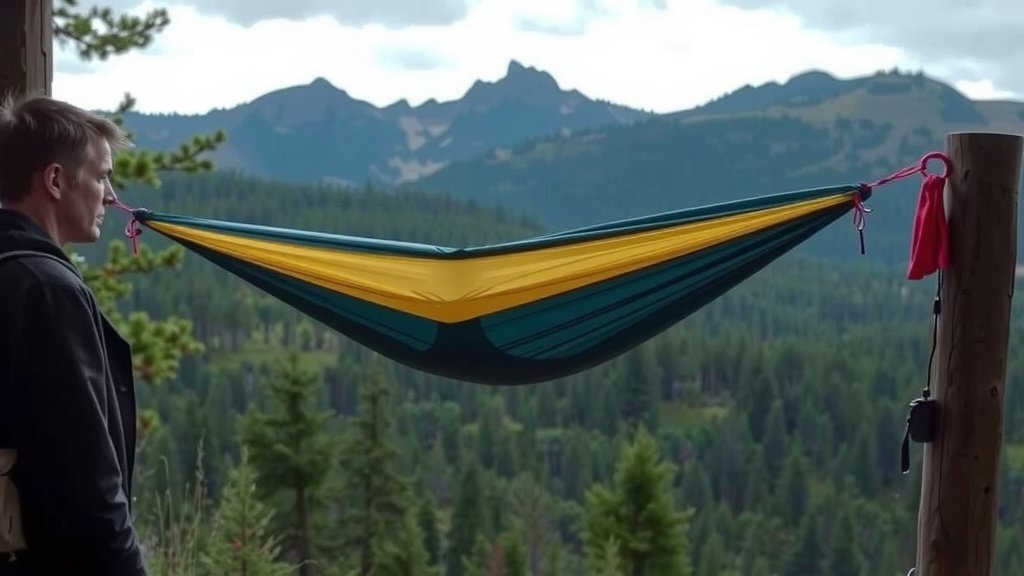
You’ve learned that a backpacking hammock is a lightweight, portable sleep system offering a unique way to connect with nature. It’s more than just fabric; it’s a carefully designed setup including the hammock body, suspension, and often bug nets and tarps for comfort and protection. While it might seem daunting, understanding the components and common concerns like cold or bugs makes it manageable. We found that for many, the reduced weight, minimal environmental impact, and superior comfort make hammocks a compelling choice over tents. Ready to give it a try? Your next adventure awaits, so pick out a hammock setup and plan your first trip to experience it yourself!
Frequently Asked Questions
How do I choose the right size backpacking hammock?
Most backpacking hammocks are designed for one person and come in standard lengths. Consider your height and how you sleep. Wider hammocks offer a flatter lay and more comfort. We found that a hammock around 10-11 feet long generally works well for most adults.
Can I use a backpacking hammock in the winter?
Yes, with proper insulation! The main challenge is staying warm because cold air circulates underneath. You’ll need a good underquilt rated for the temperatures you expect. Many experienced hammock campers find their setup can be as warm as or warmer than a tent in winter.
What’s the difference between a backpacking hammock and a regular hammock?
The biggest difference is weight and packability. Backpacking hammocks use lightweight, durable materials like ripstop nylon and come with tree-friendly suspension systems. Regular hammocks are often made of cotton, are much heavier, and aren’t designed for carrying in a backpack.
How far apart should the trees be to hang my hammock?
Ideally, you want trees that are 10 to 15 feet apart. This gives you enough space to hang your hammock with a comfortable sag. If the trees are too close, your hammock will be too tight. If they are too far apart, you might need longer suspension straps.
Is hammock camping comfortable for side sleepers?
Many side sleepers find hammocks surprisingly comfortable once they get the hang of it. The key is to set up your hammock with a good sag and try to achieve a “flat lay” position. Experimenting with how you position yourself inside can make a big difference.