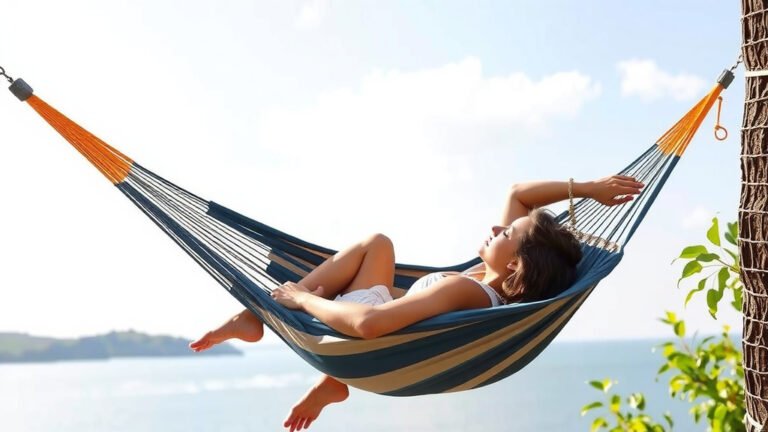

How to Pick the Perfect Hammock: Your Ultimate Guide
Picking the right hammock is all about matching it to your needs. You want to consider where you’ll hang it and what you’ll use it for. A hammock made for backyard lounging might not be the best choice for backpacking.
Getting this right means more comfort and less hassle. We found that thinking about material and size makes a big difference. It helps you avoid a hammock that’s too small, too heavy, or just not right for your space. Let’s find your perfect hang!
- Where you’ll hang it matters.
- What you’ll use it for guides your choice.
- Consider the material.
- Think about the size.
- Check the weight capacity.
Ready to find the best hammock for your next nap or adventure? Let’s walk through exactly how to pick the perfect one for you.
Choosing Your Ideal Hammock Spot and Use
Where you plan to hang your hammock is the first big question. Will it be in your backyard? Or are you dreaming of backpacking through the wilderness? Your answer dictates so much about the hammock you’ll need.
Your intended use is just as important. A cozy nap spot at home has different requirements than a hammock for long-distance treks. Think about what you want from your hammock. Is it pure relaxation? Or does it need to be lightweight and durable for adventure?
Backyard Bliss vs. Trail Toughness
For backyard lounging, you have a lot of freedom. Space isn’t usually a major concern. Weight is also less critical. You might prioritize comfort and aesthetics. A larger, heavier hammock made of cotton or a sturdy blend can be perfect here.
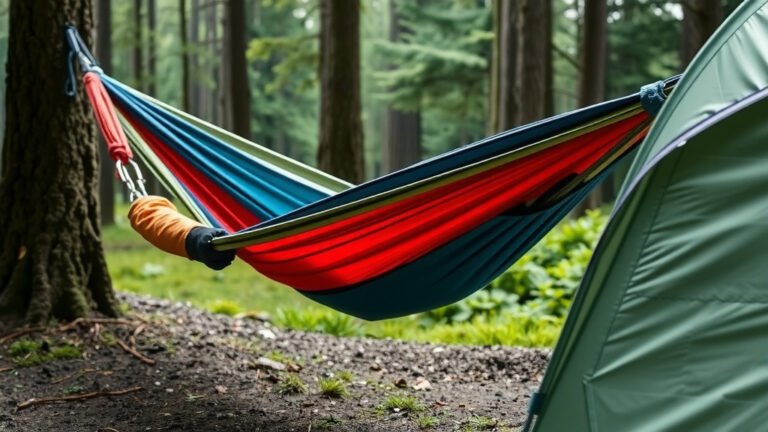
If you’re a hiker or camper, your needs shift dramatically. Every ounce matters when it comes to your pack. Hammocks for the trail need to be lightweight and compact. They also need to be tough enough to handle various outdoor conditions.
Understanding Hammock Materials: What’s Your Vibe?
The material of your hammock plays a huge role in its comfort, durability, and weight. Different fabrics suit different purposes. Let’s break down the most common options you’ll find.
Cotton and Blends: The Cozy Classics
Hammocks made from cotton or cotton blends are incredibly comfortable. They offer a soft, breathable feel perfect for warm weather. You’ll often find these in traditional, spreader-bar styles. They are great for occasional use and relaxation.
However, cotton isn’t ideal for wet conditions. It can absorb moisture and become heavy. It also takes a long time to dry. If you plan to leave your hammock outdoors or use it in damp environments, this might not be your best bet.
Nylon and Polyester: The Adventure-Ready Choices
Nylon and polyester are the go-to materials for camping and backpacking hammocks. They are known for their durability and quick-drying properties. They also tend to be very lightweight and pack down small.
Ripstop nylon, a common type of nylon used in outdoor gear, is exceptionally strong. It’s designed to resist tears and punctures. Many hammock brands use a specific type called “parachute nylon”. This material is lightweight, breathable, and very strong.
Technical Fabrics: The Premium Performance Options
For those seeking the ultimate in durability and weight savings, technical fabrics might be the answer. Materials like Dyneema Composite Fabric (DCF) are incredibly strong and feather-light. They are also completely waterproof.
These fabrics come with a higher price tag. They are often favored by ultralight backpackers who meticulously track every gram. For most casual users, high-quality ripstop nylon offers an excellent balance of performance and cost.
Size Matters: Finding Your Perfect Fit
Hammock size isn’t just about how much space you take up. It’s also about how comfortably you can lie in it. A hammock that’s too small can feel restrictive.
Single vs. Double Hammocks
Hammocks are often categorized as “single” or “double.” A single hammock is designed for one person. It typically offers enough space for a comfortable lounging position.
A double hammock is wider. It can accommodate two people or one person who likes extra room to spread out. Many people find double hammocks more comfortable even when used alone. They allow for a flatter lying position, which many find more restful.
Length and Width: The Crucial Dimensions
When looking at specifications, pay attention to both length and width. A hammock that’s too short might not let you lie back fully. It can create an uncomfortable “banana” shape.
Many experts recommend a hammock that is at least 9 to 10 feet long. The width should ideally be around 5 to 6 feet. This provides ample room for a diagonal lie, which is often the most comfortable way to sleep or relax in a hammock (REI).
Weight Capacity: Safety First!
This is a non-negotiable factor. Every hammock has a maximum weight capacity. It’s crucial to know this number and stay well within it. Exceeding it can lead to hammock failure, which can cause injury.
Most standard hammocks can hold at least 200 to 300 pounds. Double hammocks and those designed for heavier use can often support 400 pounds or more. Always check the manufacturer’s specifications.
| Material | Pros | Cons | Best For |
|---|---|---|---|
| Cotton/Blends | Soft, breathable, comfortable | Absorbs moisture, slow to dry, heavier | Backyard lounging, casual use |
| Nylon/Polyester (Parachute) | Lightweight, durable, quick-drying, packable | Can be less soft than cotton | Camping, backpacking, travel |
| Technical Fabrics (e.g., DCF) | Extremely lightweight, very strong, waterproof | Expensive, can be noisy | Ultralight backpacking, extreme conditions |
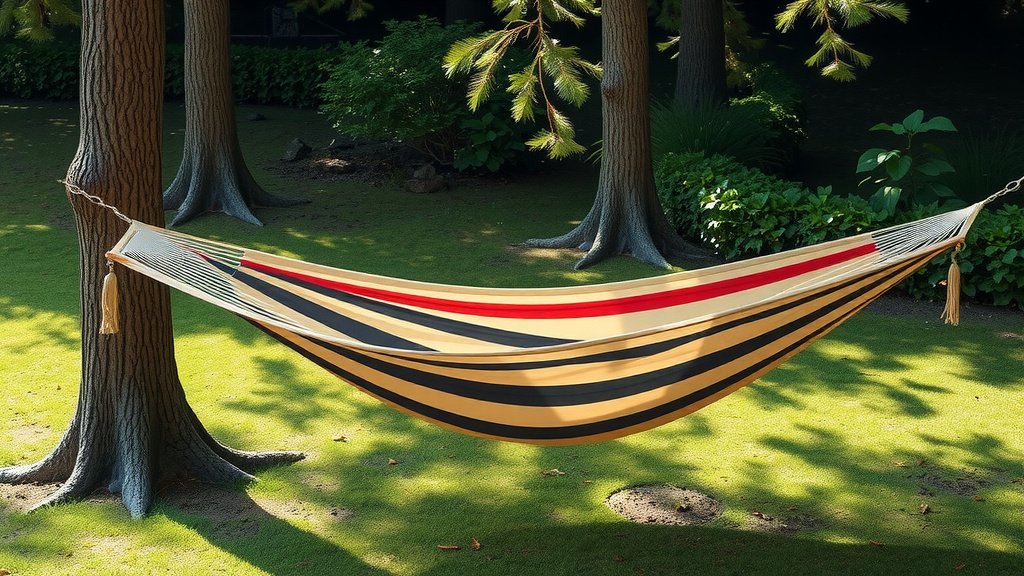
Don’t Forget the Extras: Suspension Systems
Your hammock needs a way to hang. This is where suspension systems come in. They include straps, ropes, or carabiners that attach your hammock to trees or posts.
Tree Straps: Protecting Your Hang
If you plan to hang your hammock from trees, tree straps are highly recommended. These are wide, flat straps that distribute your hammock’s weight over a larger surface area. This prevents damage to tree bark.
Many hammocks come with basic suspension, but upgrading to quality tree straps can make a big difference. Look for straps that are at least 1 inch wide and made of durable polyester or nylon. Many park systems and outdoor areas now require tree-friendly suspension (National Park Service).
Rope vs. Straps
While rope can work, it’s generally not the best choice for hanging hammocks from trees. Rope can dig into the bark, potentially harming the tree over time. Straps offer a much gentler approach.
Some suspension systems use a combination of webbing straps and adjustable whoopie slings. Whoopie slings are made from a strong cord and allow for quick and easy length adjustments. This is a favorite among experienced hammock campers.
Your Hammock Checklist: Quick Review
Before you buy, take a moment to run through this quick checklist. It will help ensure you’re making the right choice.
- Where will you hang it? Backyard, park, or trail?
- What’s its main use? Lounging, sleeping, or adventure?
- What material suits your needs? Comfort vs. durability and weight.
- What size do you need? Single, double, and overall dimensions.
- Does it meet weight capacity needs? Always check the specs.
- Does it come with suitable suspension? Or will you need to buy straps?
Conclusion
You’re now ready to pick the perfect hammock! We’ve covered the essentials, from where you’ll hang it to what materials offer the best comfort and durability for your needs. Thinking about your intended use, whether it’s backyard relaxation or trail adventures, is key. Always remember to check the size and weight capacity to ensure a safe and enjoyable experience. With these tips, you can confidently choose a hammock that will provide countless moments of comfort and escape. Your ideal hang awaits – go find it!
Frequently Asked Questions
How do I choose a hammock for a small apartment balcony?
For a small balcony, prioritize compact and lightweight options. Look for single hammocks made from nylon or polyester that pack down small. Consider hammocks with a simple suspension system that won’t take up too much space when not in use.
Can I use a cotton hammock outdoors all the time?
While cotton hammocks are incredibly comfortable, they aren’t ideal for constant outdoor use. Cotton absorbs moisture and takes a long time to dry, which can lead to mildew. It’s best to bring cotton hammocks indoors when not in use or in wet conditions.
What is the difference between a camping hammock and a regular hammock?
Camping hammocks are designed for portability and durability. They are typically made from lightweight, quick-drying materials like ripstop nylon and pack down very small. Regular hammocks, especially cotton ones, are often larger, heavier, and prioritize comfort over portability.
Do I really need tree straps if I’m just hanging my hammock for a few hours?
Yes, tree straps are highly recommended even for short hangs. They distribute the weight of the hammock evenly, preventing damage to tree bark. Using rope can cut into the bark and harm the tree, which is often against park regulations.
What makes a hammock good for sleeping in overnight?
For overnight sleeping, you’ll want a hammock that allows for a flatter lay, often a double-sized one, made from durable, breathable material like parachute nylon. Ensure it has a high weight capacity and consider adding a bug net and a suitable underquilt for warmth and comfort.