When to Use a Hammock Underquilt: Your Cold Weather Guide
You should use a hammock underquilt anytime the temperature drops below what you’d consider comfortably warm, typically **below 60 degrees Fahrenheit**. An underquilt works by creating a barrier against cold air, which is essential because the filling in your sleeping bag gets compressed under your body weight, losing its insulating power. So, if you’re aiming for a cozy night’s sleep when camping, an underquilt is your **ticket to warmth**.
Think of it this way: your hammock is essentially a suspended bed, and the air beneath you can easily become a chilly highway. Without an underquilt, you’re exposing yourself to a significant amount of heat loss, no matter how warm your sleeping bag is. Many campers found that even on seemingly mild nights, a bit of chill can sneak in, making an underquilt a **smart preventative measure** for comfort and safety.
TL;DR:
- Use an underquilt when temps are below 60°F.
- It stops cold air from reaching you from below.
- Your sleeping bag alone won’t keep you warm in a hammock.
- It’s crucial for comfort and preventing heat loss.
- Don’t let a chilly night ruin your camping trip!
Ready to learn exactly when and why your hammock needs this cozy companion? Let’s break down the temperature sweet spots and the science behind staying warm.
When Your Hammock Needs an Extra Layer of Warmth
So, you’ve got your hammock all set up. It’s your cozy little nest for sleeping outdoors. But when exactly is it time to add that extra bit of insulation—the underquilt? We found that the magic number is often around 60 degrees Fahrenheit. If the evening air feels like it could get a bit nippy, or if forecasts predict temperatures dipping below that, it’s probably time for an underquilt. It’s your best friend for comfortable sleeping when the mercury starts to fall.
Think about it: your sleeping bag is designed to trap heat. But when you’re in a hammock, the fluffy stuff inside your sleeping bag gets compressed right where your body is. This compression means less air is trapped, and that trapped air is what keeps you warm. So, even a 20-degree sleeping bag might not feel like it when you’re suspended in the air. Your body weight squashes the insulation, making it much less effective. An underquilt, however, hangs underneath your hammock, creating a cozy pocket of warm air around you.
Understanding Hammock Heat Loss
We’ve all heard that heat rises, right? But in a hammock, cold air doesn’t just stay on the ground. It flows right underneath you. Your hammock essentially acts like a window. Without an underquilt, you’re losing a lot of body heat to the chilly air swirling below. This can lead to feeling cold, even if your sleeping bag is rated for lower temperatures.
We found that many campers discover this the hard way. They might pack a warm sleeping bag, but still shiver through the night. The culprit is usually that creeping cold from below. It’s like trying to stay warm in a drafty house; the cold seeps in no matter how many blankets you have on top. An underquilt tackles this problem head-on by insulating the bottom of your sleep system.
The Science of Staying Toasty
Your body generates heat. The goal of any camping insulation is to keep that heat close to you. A sleeping bag does this by trapping air. But again, gravity and your body weight are not your insulation’s best friends in a hammock. An underquilt works differently. It doesn’t get compressed by your weight.
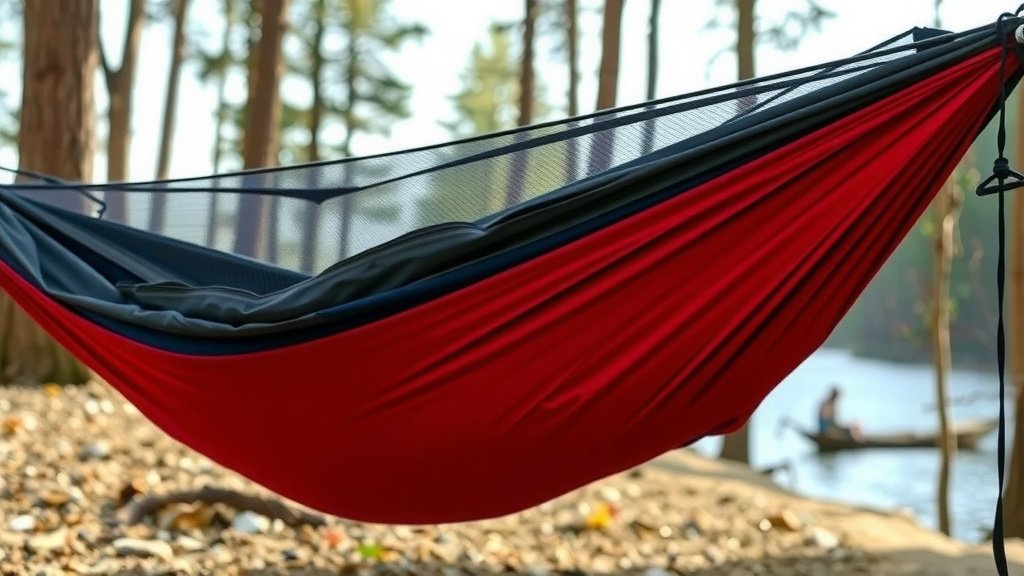
Instead, it hangs loosely, filled with down or synthetic insulation. This allows the insulation to loft up fully and trap air. This trapped air then acts as a barrier, preventing your body heat from escaping into the cold air beneath your hammock. Many experts agree this is the most effective way to stay warm in a hammock when temperatures drop (REI). It creates a personal climate zone, keeping you comfortable.
Temperature Guidelines for Underquilt Use
So, let’s talk numbers. When is it a definite yes for an underquilt? Generally, if the overnight low is expected to be below 60°F, you’ll likely want one. But this isn’t a hard and fast rule; it depends on your personal comfort level and the specific conditions.
The “Cool Enough” Zone
For many people, temperatures between 50°F and 60°F are the sweet spot where an underquilt starts to become highly beneficial. You might be okay without one on a dry, calm night if you run warm. But if there’s any hint of moisture in the air or a breeze, you’ll appreciate the extra warmth.
When It’s Really Chilly
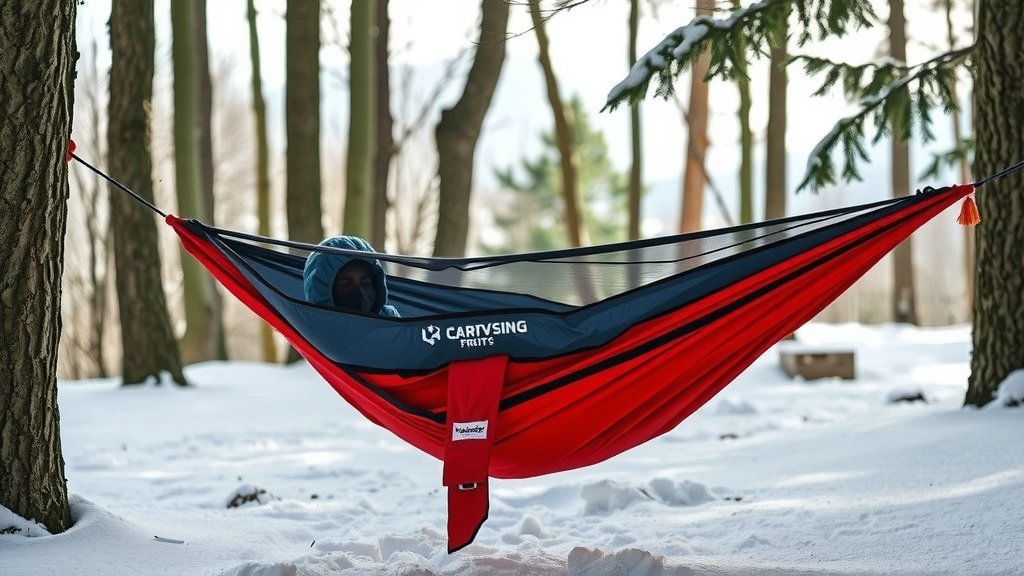
Once temperatures drop below 50°F, an underquilt is almost non-negotiable for a comfortable night’s sleep. We found that between 30°F and 50°F, a good underquilt can make the difference between a cozy slumber and a miserable, cold night. Below freezing temperatures (32°F and below)? You absolutely need an underquilt, likely a specialized winter model, along with a warm sleeping bag or quilt.
Factors Influencing Your Decision
It’s not just the air temperature that matters. You should also consider:
- Wind: Wind chill can make it feel much colder than the thermometer reads. An underquilt provides a shield against this.
- Humidity: Damp air holds and transfers cold more efficiently than dry air. If it’s humid, you’ll feel the chill more.
- Your Personal Metabolism: Some people naturally run hotter than others. If you tend to get cold easily, err on the side of bringing an underquilt.
- Ground vs. Hammock Camping: Camping on the ground often means you have the insulating power of a sleeping pad. In a hammock, you don’t have that luxury without an underquilt.
Types of Underquilts and When to Choose Them
Underquilts come in different temperature ratings, much like sleeping bags. Choosing the right one is key to staying comfortable.
Temperature Ratings Explained
Most underquilts are rated for a specific temperature range. For example, you might see ratings like:
- 30°F to 40°F: Great for shoulder seasons—spring and fall in many parts of the country.
- 10°F to 20°F: Suitable for colder fall nights and milder winter camping.
- 0°F or below: Designed for serious winter conditions.
Synthetic vs. Down Insulation
Synthetic insulation is generally more affordable and performs better when wet. It’s a good choice if you camp in damp conditions or are on a tighter budget.
Down insulation is lighter, more compressible, and offers the best warmth-to-weight ratio. However, it’s more expensive and loses its insulating power when wet, so it requires more careful handling in damp weather.
A Quick Guide to Underquilt Readiness
Wondering if you should pack your underquilt for your next trip? Ask yourself these questions:
- Is the forecast predicting overnight lows near or below 60°F?
- Will there be any wind?
- Is the air feeling damp or humid?
- Do I tend to get cold easily when sleeping?
- Am I going anywhere with a reputation for being chilly at night?
- Does my sleeping bag feel less insulating when I lie in my hammock?
If you answered “yes” to any of these, it’s a strong indicator that your underquilt will be your best friend for a comfortable night.
When NOT to Worry About an Underquilt
On the flip side, there are times when an underquilt is likely overkill. If you’re camping during the height of summer, and the forecast shows overnight lows consistently in the 70s or 80s, you can probably leave your underquilt at home. On a warm, dry summer night, your sleeping bag alone should provide plenty of warmth, and adding an underquilt might just make you too hot.
We found that it’s all about matching your gear to the expected conditions. If you’re just doing a quick overnight in mild weather and don’t tend to get cold, you might decide to skip the underquilt. However, even on those seemingly warm nights, a slight dip in temperature can catch you off guard, and a little bit of extra insulation never hurt anyone.
Conclusion
You’ve learned that your hammock underquilt isn’t just an accessory; it’s your key to comfortable sleep when temperatures dip. Remember, below 60°F is your general go-to temperature for using one. Your sleeping bag alone struggles against the cold air that circulates beneath you in a hammock. An underquilt solves this by creating a warm, insulated pocket that prevents heat loss. Consider wind, humidity, and your own body temperature when making your final call. So, for your next trip below 60°F, make sure that underquilt is packed and ready!
Frequently Asked Questions
Can I use my regular sleeping bag inside my hammock instead of an underquilt?
While your sleeping bag helps, it’s not a complete solution for hammock warmth. The insulation in your sleeping bag gets compressed by your body weight when you lie down, losing much of its ability to trap heat. An underquilt hangs below the hammock, where it won’t be compressed and can provide effective insulation.
What’s the coldest temperature an underquilt can handle?
Underquilts come with temperature ratings, just like sleeping bags. You can find models designed for mild cool weather (around 30-40°F) all the way down to extreme cold (0°F and below). Choosing an underquilt with a rating a bit lower than your expected coldest temperature ensures you’ll stay warm and comfortable.
Do I need an underquilt if it’s not freezing outside?
Not necessarily freezing, but if the overnight low is expected to be near or below 60°F, you’ll likely want your underquilt. Even temperatures in the 40s and 50s can feel surprisingly cold in a hammock without one, especially if there’s any wind or humidity.
How do I know if my underquilt is installed correctly?
Your underquilt should hang freely underneath your hammock without being compressed. It should create a snug, draft-free seal around the edges of your hammock. Most underquilts use adjustable suspension systems (like shock cord and clips) to help you achieve this perfect fit.
Can I use an underquilt in the summer?
Generally, you won’t need an underquilt during the peak of summer when overnight lows are consistently in the 70s or 80s. Using one in warm weather could easily lead to you overheating. Save your underquilt for those cooler spring, fall, and winter nights.