Hammock Stand or Trees Which Is Best for You
When deciding between a hammock stand and trees, a hammock stand is often the more practical choice for most people. You get ultimate flexibility for placement and don’t have to worry about damaging trees. While trees offer a natural look, stands provide a reliable and portable setup.
Choosing where to hang your hammock impacts your relaxation experience. Trees can be tricky; you need the right kind and spacing. A stand removes these variables, letting you set up your hammock almost anywhere. We found that stands are particularly great for beginners and renters.
- Hammock stands offer location freedom.
- Trees require specific conditions and can cause damage.
- Stands are easier for quick setup.
- Consider a stand if you move your hammock often.
So, ready to figure out which option is best for your lounging needs? Let’s break down the pros and cons of hammock stands versus trees to help you make the perfect choice for your backyard oasis.
Your Hammock Setup: Stand or Trees?
Deciding whether to hang your hammock from a stand or from sturdy trees is a big step. We’ve found that a hammock stand often wins out for ease and flexibility. It lets you hang your hammock almost anywhere you want, without needing to find the perfect pair of trees. This freedom is a huge perk for many people.
The Case for a Hammock Stand
Hammock stands offer a level of convenience and portability that trees just can’t match. You’re not dependent on finding suitable trees in your yard or at a campsite. This makes them a fantastic choice for anyone who enjoys a good hammock nap but doesn’t have the ideal backyard setup.
Flexibility in Placement
With a stand, your relaxation spot can change daily. Want to catch the morning sun on the patio? No problem. Prefer the shade of a different corner of the yard in the afternoon? Just move your stand. This location freedom means you can always find the comfiest spot, no matter the time of day or season.
Ease of Setup
Many hammock stands are designed for quick assembly. We’ve seen some that can be set up in just a few minutes, often without any tools. This is a huge advantage if you’re eager to start lounging rather than struggling with ropes and knots. It’s like a pop-up relaxation station!
Ideal for Renters and Travelers
If you rent your home, drilling into trees or even the ground might not be an option. A hammock stand requires no permanent modifications. We’ve found it’s a perfect solution for apartment dwellers or those who move frequently. You can easily take your hammock setup with you when you relocate.
Protecting Your Trees
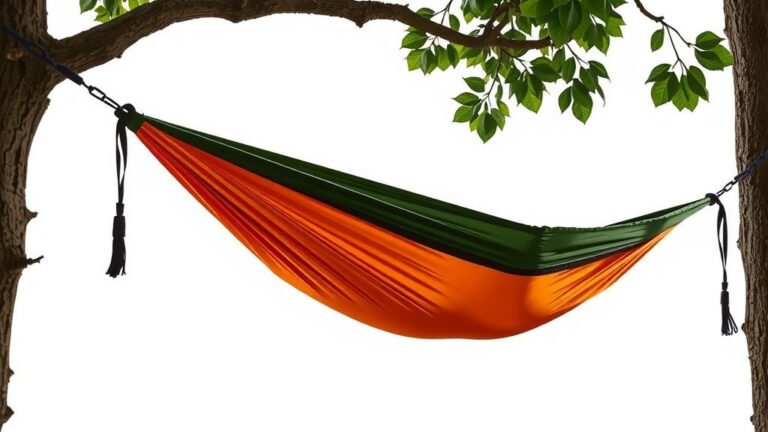
Hanging a hammock directly from trees can, over time, damage the bark and even harm the tree itself. We often see recommendations to use wide straps to distribute weight, but even then, there’s a risk of girdling or abrasion. Stands completely avoid this issue, letting you enjoy nature without impacting it. If you choose trees, using wide, tree-friendly straps is essential to avoid damage.
When Trees Might Be Your Best Bet
Of course, there’s a certain natural charm to hanging a hammock between two strong trees. It feels organic and grounded. If you have the right trees and space, it can be a beautiful, permanent fixture in your outdoor living area.
Finding the Right Trees
Not just any tree will do. For a safe and comfortable hang, you need trees that are healthy and mature. Experts suggest trees should have a diameter of at least 12 inches at chest height (Arbor Day Foundation). You’ll also need them to be spaced correctly, usually between 10 to 15 feet apart, depending on your hammock length.
Potential Tree-Hanging Challenges
Beyond finding suitable trees, you might encounter other issues. Are the branches low enough to hang from? Is the ground beneath them comfortable if you happen to fall out (hey, it happens!)? Will the trees shed a lot of leaves or sap onto your hammock? These are all things to consider.
The Aesthetic Appeal
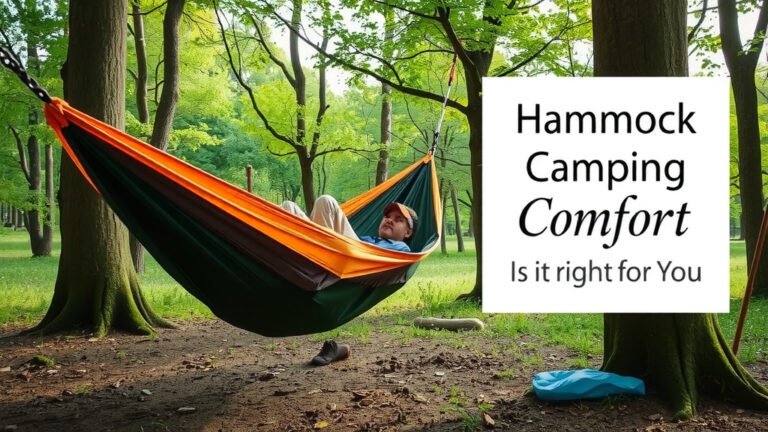
For some, the visual appeal of a hammock suspended between two majestic trees is unmatched. It blends seamlessly with the natural surroundings, creating a picture-perfect relaxation nook. If this natural look is important to you, and you have the ideal tree setup, it’s a wonderful option.
Comparing Your Options: A Quick Look
To help you decide, let’s quickly compare the key features. We find this table makes the differences very clear.
| Feature | Hammock Stand | Trees |
|---|---|---|
| Portability | High (easy to move) | None (fixed location) |
| Setup Time | Fast (often minutes) | Can be time-consuming (finding/securing) |
| Location Flexibility | Very High (any flat surface) | Limited (only where suitable trees exist) |
| Tree Damage Risk | None | Possible (if not hung correctly) |
| Ideal For | Renters, travelers, quick setup needs | Homeowners with suitable trees, natural aesthetic lovers |
| Initial Cost | Can be higher than basic accessories | Potentially lower (if you have trees) |
Making Your Final Decision: A Checklist
Still on the fence? Ask yourself these quick questions to guide your choice. We think this will help you land on the perfect solution for your relaxation needs.
- Do you move your hammock setup often?
- Do you rent your home or apartment?
- Do you want to set up your hammock in different spots daily?
- Do you have healthy, strong trees spaced just right?
- Are you concerned about potentially harming trees?
- How quickly do you want to be lounging?
If you answered “yes” to many of the first few questions, a hammock stand is likely your best friend. If your answers lean towards enjoying a permanent, natural setup and you have the perfect trees, then going with nature is a great path.
Conclusion
Ultimately, the choice between a hammock stand and trees comes down to your lifestyle and priorities. We’ve seen that hammock stands offer unmatched flexibility, easy setup, and peace of mind for renters or frequent movers. They allow you to create your relaxation haven anywhere, anytime, without harming nature. While trees provide a beautiful, natural aesthetic, they come with specific requirements and potential drawbacks.
If you’re seeking a reliable, portable, and fuss-free way to enjoy hammock lounging, a hammock stand is likely your best bet. Ready to embrace ultimate relaxation? Start by looking for a stand that fits your space and hammock style, and get ready to sway into comfort!
Frequently Asked Questions
How do I know if my trees are strong enough for a hammock?
You need healthy, mature trees with a trunk diameter of at least 12 inches at chest height. Avoid trees with signs of disease, rot, or damage. If you’re unsure, it’s always best to consult with a local arborist to assess their strength and suitability.
Can a hammock stand damage my lawn or patio?
Most hammock stands have wide bases designed to distribute weight evenly, minimizing damage to lawns. For patios or decks, placing rubber mats or a rug under the stand can prevent scratches or pressure marks. Check the stand’s specifications for weight distribution if you have concerns.
Are hammock stands difficult to assemble?
Generally, no! Many hammock stands are designed for tool-free assembly and can be set up in under 15 minutes. They often use a system of interlocking parts or simple screws. Always check product reviews or descriptions for setup ease before purchasing.
What’s the best way to hang a hammock from trees without harming them?
If you must use trees, use wide, tree-friendly straps (at least 2 inches wide) that distribute pressure. Avoid thin ropes or chains that can cut into the bark. Always check the straps regularly for wear and tear. Hammock stands completely eliminate this concern.
Can I use a hammock stand indoors?
Yes, absolutely! Many hammock stands are designed for both indoor and outdoor use, provided you have enough space. They can be a fantastic addition to a living room or bedroom, creating a cozy reading nook or a unique relaxation spot.