
How to Use a Sleeping Bag in a Hammock: A Complete Guide
The easiest way to use a sleeping bag in a hammock is to lay it inside the hammock like a liner and use an underquilt or pad underneath you for warmth. Your body compresses the bottom of the bag, so insulation below matters more than the bag itself. Get that part right, and you’ll stay toasty all night.
Here’s the catch many first-timers miss: a regular sleeping bag alone won’t keep you warm in a hammock because the air underneath steals your body heat fast. We researched what seasoned hammock campers do and found a few simple tricks that make a huge difference. Things like choosing the right bag shape, layering properly, and even rigging your bag as a top quilt. Who knew a little geometry could be the difference between shivering and snoozing?
- Why your sleeping bag’s bottom insulation fails in a hammock
- The best way to layer a bag, pad, or underquilt for warmth
- How to get in and out without twisting yourself into a burrito
- When to use your bag as a top quilt instead
- Quick tips for staying warm in cold weather hammock camping
Below, we break down everything you need to know about using a sleeping bag in a hammock, step by step. Let’s get you set up for your coziest night of hammock camping yet.
Using a Sleeping Bag in Your Hammock the Right Way
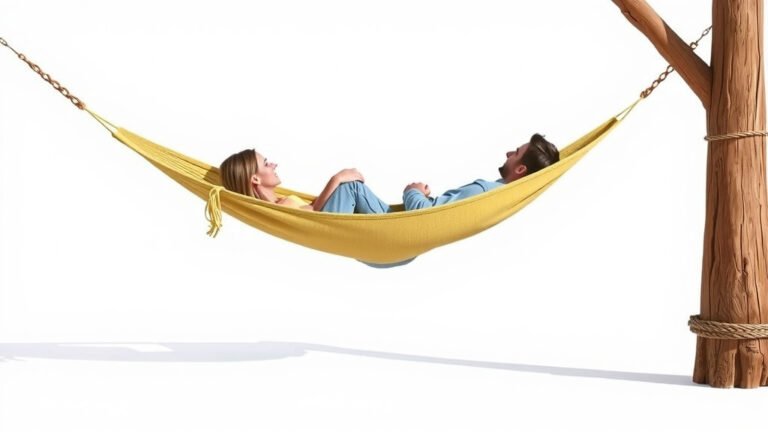
The best setup is simple: lay your sleeping bag inside the hammock like a liner, unzip it flat, and add insulation under your body. Your weight squeezes the air out of whatever is beneath you, and squished insulation barely insulates at all.
Think of it like sitting on a puffy winter coat. Feels warm against your back, right? Now stand up and press the coat against a table. Same coat, no warmth. That’s exactly what happens under your body in a hammock.
Step One: Set Up Your Under-Body Insulation First
Get this layer right before you touch your bag. Many experts say this single choice makes or breaks a hammock camping night.
- Underquilt: Hangs snugly under the hammock, outside the fabric. Nothing compresses it, so it works at full power. This is the gold standard. Our underquilt vs sleeping pad comparison explains why hanging insulation wins for hammocks.
- Sleeping pad: Works fine, but it will slide. We found that a foam pad inside the hammock’s fabric, or a pad with grip texture, stays put better.
- Reflective mat: An emergency blanket-style layer bounces heat back and adds a small boost on mild nights.
Step Two: Position Your Sleeping Bag as a Liner
Unzip your bag all the way and spread it inside the hammock like a burrito shell. Climb in, then zip it around yourself loosely.
Don’t fight the hammock’s shape. A rectangular mummy bag will fight you. We found that bags with a spiral or stretch cut conform much better to the banana curve of a hammock.
Getting In and Out Without Flipping
Here’s the moment every beginner dreads. Sit down first, butt in the middle, feet in last. Then scoot back until your head rests slightly higher than your hips.
To get out, reverse it. Swing your legs over the side, plant your feet on the ground, and sit up. Never flop sideways — that’s how hammocks dump people in the dirt.
Why Your Bag’s Bottom Fails (And What to Do About It)
Lying down compresses the fill under your back and bottom to near zero. Compressed down or synthetic fill traps almost no air, and trapped air is what actually keeps you warm.
Meanwhile, moving air under the hammock pulls heat away through convection — the same reason wind feels colder than still air. The CDC notes that wet or windy conditions speed up heat loss, and cold-related illness can sneak up faster than most campers expect.
Matching Your Setup to the Temperature
Not sure how much insulation you need? Here’s a quick reference we put together based on common gear-rating guidance.
| Conditions | Under You | Over You |
|---|---|---|
| Above 55°F | Thin pad or nothing | Sleeping bag, unzipped half |
| 35–55°F | Pad or light underquilt | Bag zipped with liner |
| Below 35°F | Rated underquilt | Bag plus top quilt or blanket |
Use Your Bag as a Top Quilt Instead
Here’s a trick that saves weight and money. In mild weather, skip crawling inside entirely. Drape the bag over yourself like a blanket and let an underquilt handle the bottom half.
Why does this work so well? A top quilt only needs to loft freely above you — no compression, no fight with the hammock shape. Many ultralight campers do exactly this, and your regular bag can pull double duty.
How to Rig It
Lay the bag across the hammock, fold the extra width underneath your sides, and tuck the footbox around your feet. If your bag has a hood, stuff a jacket inside for a pillow. Cozy bonus, zero extra cost.

Cold Weather Tips That Actually Help
Once you’ve got the basics down, these small moves stack up. Mayo Clinic guidance on cold exposure stresses keeping your core and extremities protected — and that applies at the campsite too.
- Wear dry base layers: Change out of anything sweaty before bed. Damp fabric chills you fast.
- Block the wind: Hang a tarp a foot or two above the hammock. Still air stays warmer.
- Warm your core, not the whole bag: A hot water bottle in a sock near your torso beats heating empty space at your feet.
- Eat a snack before bed: Digestion generates heat for hours.
- Vent if you sweat: Cracking the bag early beats waking up damp at 2 a.m.
Your Pre-Sleep Checklist
Run through this before you settle in:
- Underquilt or pad positioned and snug under your lower back
- Hammock tilted slightly so your head sits higher
- Sleeping bag unzipped and spread before you climb in
- Dry base layers on, damp clothes stowed away
- Wind tarp rigged and ridgeline tension checked
- Hot drink or snack finished within the last hour
Common Mistakes That Ruin the Night
Even good gear fails when it’s set up wrong. These are the stumbles we found most often in beginner trip reports.
Skip the pad entirely on a cool night and you’ll wake up with a cold back, no matter how good your bag is. Pile a thick pad inside the hammock and it may create a wobbly throne that dumps you out. And zip your bag fully around a swinging hammock, and you’ll compress the bottom into uselessness — the exact problem you were trying to solve.
One more to watch: hanging the underquilt too far from the fabric. There should be no gap where air can flow between the quilt and the hammock. Snug like a second skin.
Conclusion
Using a sleeping bag in a hammock comes down to one big idea: insulation under you matters most. Lay your bag in like a liner, keep an underquilt or pad snug beneath the fabric, and match your setup to the temperature. On mild nights, skip the burrito routine and drape the bag over you as a top quilt. We found that small habits — dry base layers, a wind-blocking tarp, a snug underquilt with no gaps — make the difference between a rough night and a great one.
Your next step? Try your full setup in the backyard before your first trip. A practice night at home beats a shivering surprise on the trail, and you’ll dial in your hang with zero pressure.
Frequently Asked Questions
Can I use a regular rectangular sleeping bag in a hammock?
You can, but expect a little extra fuss. Rectangular bags don’t hug the hammock’s curve as naturally as mummy or stretch-cut styles. Unzip it fully, spread it flat, and tuck the edges under your sides. It works fine for mild weather, especially paired with a pad underneath.
Do I need an underquilt, or is a sleeping pad enough?
A pad works well for temperatures above freezing, especially foam pads that won’t shift as much. Below about 35°F, most hammock campers we researched switch to an underquilt because nothing compresses it. If you’re just starting out, try a pad first and upgrade if your back gets cold.
How do I keep my sleeping bag from sliding around in the hammock?
Unzip the bag and lay it inside the hammock before you climb in, so your body weight anchors it. Some campers also use small clips or the hammock’s fabric layers to pin the bag’s corners. Once you’re zipped in loosely, everything tends to stay put through the night.
Will my sleeping bag still work if I use it as a top quilt every time?
Yes, and many campers never go back. Draping the bag over you keeps its insulation lofting freely, which is exactly what it’s designed to do. Just remember you’ll still need separate insulation underneath, since the bag can only cover one side of you at a time.
What temperature rating should my sleeping bag be for hammock camping?
Pick a bag rated about 10 degrees warmer than the coldest night you expect. Hammocks expose you to moving air on all sides, so you lose heat faster than tent campers do. Pair that bag with a rated underquilt in cold conditions, and add a liner if you run cold.