Why Does a Sleeping Bag Compress in a Hammock? Explained
Your sleeping bag compresses in a hammock because the hammock wraps around your body and squeezes the insulation underneath you. All that loft gets crushed between your back and the fabric, so the bag can’t trap warm air like it does on the ground.
Here’s the frustrating part: even a high-quality bag rated for cold weather can feel useless in a hammock. We researched this problem and found that compressed insulation loses most of its warmth, especially under your back. Add cold air flowing underneath you, and you’ve got what campers call cold butt syndrome. Not fun.
- Compression flattens the insulation, killing its ability to trap heat.
- Wind moves under a hammock and pulls warmth away faster than on the ground.
- Your bag’s temperature rating assumes it can loft freely, which it can’t in a hammock.
- Underquilts and pads fix most of this problem.
- Loft-focused bags and simple tricks can make a big difference.
So how do you stay warm without giving up on hammock camping? Below, we break down exactly why this happens and what you can do about it, step by step.
What Happens to Your Bag When You Sleep in a Hammock
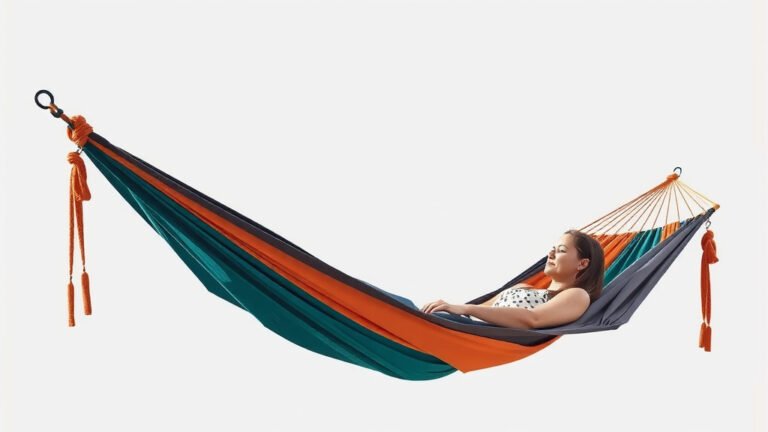
Your sleeping bag was designed to work on a flat surface. When you lie in a hammock, the fabric curves around you like a taco shell, and the bag gets pinched between your body and the hammock walls. The insulation underneath you gets squashed flat, and flat insulation can’t trap warm air.
We found that many new hammock campers blame their bag first. But the bag isn’t broken. It’s just being used in a way it was never built for.
How Loft Actually Keeps You Warm
Insulation works by trapping tiny pockets of air. Your body heats that air, and the loft holds it in place. Think of a fluffy down jacket. It’s warm because it’s puffy, not because the fabric is thick.
Squeeze that jacket under a mattress and it stops working. The same thing happens to your bag in a hammock. Under your back, the loft gets pressed down to almost nothing.
The Cold Butt Problem Explained
On the ground, the sleeping pad blocks heat loss below you. In a hammock, there’s no pad underneath the compressed insulation, so cold air pulls heat from your back constantly. Campers call this cold butt syndrome for a reason.
Cold wind moving under the hammock makes it worse. Airflow strips heat away faster than still air does, which is the same reason wind chill feels so brutal in winter (CDC).
Why Temperature Ratings Don’t Match Hammock Reality
A bag rated for 20 degrees assumes it can puff up fully on all sides. In a hammock, half the bag is crushed, so you’re really sleeping with a bag that works like a much lighter one. Many experts say you should plan on losing a full season of warmth when you hang your bag instead of laying it on the ground.
Easy Fixes That Keep You Warm While Hanging
The good news? You don’t need to give up hammock camping in cold weather. You just need to protect the underside of your sleep system.
Underquilts: The Hammock Camper’s Best Friend
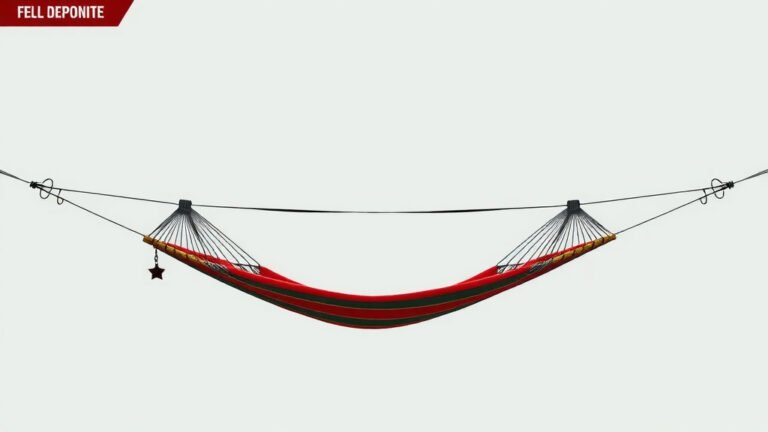
An underquilt hangs below the hammock, outside the fabric. Nothing compresses it, so it lofts fully and blocks the cold air underneath. We found that this is the fix most experienced hammock campers recommend first.
Sleeping Pads Inside the Hammock
A pad works too, and it’s often cheaper. Foam pads and inflatable pads both add a layer of protection between you and the cold air below.
- Choose a pad with a decent R-value for the season.
- Inflatable pads can slide around, so look for textured bottoms.
- Foam pads are cheap, light, and never fail on you.
- Wide pads cover the hammock’s curves better than narrow ones.
Which Option Fits Your Budget?
| Option | Best For | Rough Cost |
|---|---|---|
| Underquilt | Comfort and cold weather | $60 to $300 |
| Inflatable pad | Versatility on the ground too | $40 to $150 |
| Foam pad | Budget trips and backup | $20 to $60 |

Simple Tricks to Get More Warmth Tonight
Not ready to buy more gear? Try these low-cost moves on your next trip.
- Pack a reflective blanket and lay it under you inside the bag.
- Wear dry base layers and a beanie to bed.
- Use a hot water bottle near your core before you climb in.
- Hang a wind tarp low to cut down the breeze under the hammock.
- Pad the underside with your spare clothes or pack.
- Check your pad’s R-value before cold-season trips (REI and similar guides recommend this too).
None of these replace a proper underquilt, but they can turn a shivery night into a decent one. And honestly, that’s often enough for three-season trips.
What to Look For in a Hammock-Friendly Bag
If you’re shopping for new gear, pick bags with durable loft and generous cut. Synthetic fill recovers from compression better than down, which helps when part of the bag spends the night squashed.
Also look at the shape. A bag with more insulation on the bottom half will serve you better in a hammock than a lightweight top-quilt style design used alone. Pair it with an underquilt or pad, and you’ve got a system that actually works together.
Conclusion
Your sleeping bag compresses in a hammock because the fabric wraps around you and crushes the insulation underneath. That squashed fill can’t trap warm air, and cold air moving below strips away even more heat. The fix isn’t a better bag on its own. It’s protecting the underside of your sleep system with an underquilt or a pad, and choosing gear with strong, durable loft. Once we understood this, our cold nights in the hammock got a lot more comfortable. Pick one fix from this guide, test it on your next trip, and you’ll wonder why you ever shivered through the night without it.
Frequently Asked Questions
Can I use my regular ground sleeping bag in a hammock?
Yes, you can, and it’s a fine place to start. Just know that the bottom half will compress and lose much of its warmth. Pairing it with a pad or underquilt makes a big difference.
Is an underquilt really worth the money?
If you camp in a hammock below about 50 degrees, we think it is. An underquilt hangs outside the hammock and lofts fully, so nothing crushes it. Many campers say it’s the single best upgrade they’ve made. Our cold weather guide details when to use a hammock underquilt as temperatures drop.
Will a top quilt keep me warmer than a sleeping bag?
A top quilt has no insulation on the bottom, which saves weight and avoids compressed fill under your back. But it still needs an underquilt or pad underneath to block cold air. On its own, it won’t solve the problem.
How cold is too cold for hammock camping without an underquilt?
Most experienced hammock campers draw the line around 50 degrees. Below that, compressed insulation under your back simply can’t keep up. A pad or underquilt becomes necessary rather than optional.
Does a wider sleeping bag help in a hammock?
A slightly roomier cut can help because it lets insulation loft around your sides. But width alone won’t fix compression under your back. You still need something insulating underneath you.