
Your Ultimate Hammock Setup Guide
Setting up your hammock is surprisingly simple! You’ll need just a few key items: a hammock, strong suspension straps, and two sturdy anchor points, like trees or posts, spaced about 10-15 feet apart. Getting the right Our guide to your first hammock setup covers the essentials.tension is key for comfort and safety. A good setup ensures you can relax without worrying about your hammock slipping.
Many people find hammock camping or backyard relaxing incredibly rewarding. It’s about creating your own personal oasis wherever you go. We’ve found that a well-chosen spot and a secure setup make all the difference. Think of it as building your perfect, portable chill zone.
- Choose sturdy anchor points, about 10-15 feet apart.
- Use strong suspension straps to attach your hammock.
- Adjust for a comfortable sag, not too tight or too loose.
- Always test your setup before fully relaxing.
Ready to get your hammock up and running? Let’s walk through the simple steps to get you swinging in no time.
Hanging Your Hammock: The Basics
Getting your hammock set up safely and comfortably is easier than you think. It’s all about finding the right spot and using the right gear. We’ve learned that a little preparation makes a big difference in your relaxation experience. Let’s get you swinging!
Choosing the Perfect Spot
Your hammock’s location is key. You need two strong anchor points that are stable and can hold your weight plus some extra. Think of trees, sturdy posts, or even specially designed hammock stands. We found that most hammocks work well with anchors about 10 to 15 feet apart.
Anchor Point Strength
How do you know if an anchor point is strong enough? For trees, look for a diameter of at least 6 inches. Younger, thinner trees might not be able to handle the stress. For posts, they should be deeply set in the ground, like fence posts or the legs of a strong deck. If you’re unsure, it’s always better to err on the side of caution. Many guidelines recommend anchors that can hold at least 400 pounds (CDC).
Ideal Distance Between Anchors
The distance between your anchor points directly affects how your hammock hangs. Too close, and it will feel like a tight, uncomfortable clothesline. Too far, and you might not have enough strap or chain to reach. We found that the 10-15 foot range is a good sweet spot for most standard hammocks. This distance allows for a nice, gentle curve.
Understanding Hammock Straps
Your hammock likely came with some form of suspension, but dedicated hammock straps are often the best choice. They distribute weight evenly and are gentle on trees. Many experts say that webbing straps are a popular option. They are durable and typically come in lengths that make setup easy.
Types of Hammock Suspension
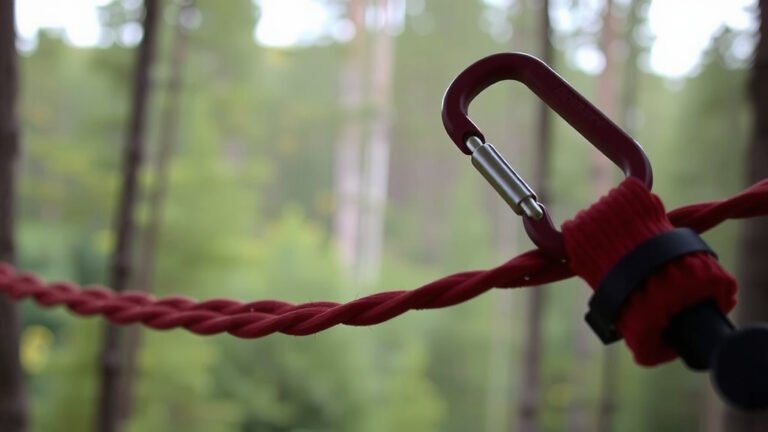
There are a few common ways to attach your hammock. Simple webbing straps are great for most situations. Rope is another option, but it can damage tree bark if not used carefully. Some hammocks come with carabiners, which are handy for quick connections. We’ve seen that adjustable suspension systems offer the most flexibility for finding that perfect hang.
Attaching the Straps
Wrap your chosen suspension system around your anchor point. If you’re using webbing straps, thread one end through the other to create a loop. If you have straps with multiple loops, you can adjust the height and tension by clipping your hammock to different loops. Make sure the strap is snug against the anchor point. You don’t want it to slide down.
Achieving the Perfect Hang: Tension and Sag
Once your straps are in place, it’s time to connect your hammock. The goal is to achieve a comfortable sag. This is where personal preference really comes into play. Too tight, and you’ll feel like you’re lying on a board. Too loose, and you might feel like you’re sinking too much.
The “90-Degree Rule” and Sag
A common guideline is the “90-degree rule.” When you look at the straps from the side, they should form a roughly 30-degree angle with the ground. This usually results in a nice, comfortable sag. We found that a sag of about 10-15% of the hammock’s length is a good starting point. For a 10-foot hammock, that’s about 12-18 inches of drop in the center.
Adjusting for Comfort
Don’t be afraid to fiddle with the tension. If it feels too tight, loosen the straps or move to a lower loop. If it’s too saggy, tighten them up. Sit in the hammock gently at first. You can make small adjustments as you get in. It’s a bit like finding the right spot on a comfortable chair.
Connecting Your Hammock to the Straps
Most hammocks connect to their suspension using a carabiner or a buckle system. Simply clip the end of your hammock to the loop on your suspension strap. Ensure the connection is secure. You don’t want any accidental unhooking while you’re trying to relax!
Double-Checking Connections
Before you fully commit to relaxing, give your setup a good tug. Gently put your weight into the hammock. Listen for any strange noises. Wiggle around a bit to test the stability. This quick safety check is something many experienced users do every time, and we found it’s a smart habit to adopt.

Safety First: Testing Your Setup
Safety is incredibly important when setting up your hammock. A failed suspension can lead to injury. We want you to have a worry-free experience. Think of this as the final quality control step before your nap.
Weight Limits and Capacity
Always be aware of your hammock’s weight limit. Most hammocks are designed for one person, but check the manufacturer’s specifications. If you plan to use it with a partner or your dog, ensure the combined weight is well within the limit. Exceeding the weight limit can damage the hammock and its suspension.
The Gentle Test Sit
Once everything looks secure, sit down slowly and gently. Let your weight settle into the hammock. Feel how it supports you. Bounce slightly to test the stability. If anything feels loose or creaky, get out and adjust your straps or connections. Research from consumer safety groups consistently highlights the importance of testing before full use (Consumer Product Safety Commission).
Weather Considerations
Think about the weather, too. Wet straps can be slippery. Strong winds can put extra strain on your anchors. In damp conditions, always perform an extra thorough check of your setup. We found that dry conditions generally offer the most reliable and secure hangs.
Final Checklist for a Secure Hang:
- Check anchor points for stability and strength.
- Ensure straps are properly wrapped and not frayed.
- Confirm all carabiners or buckles are securely closed.
- Sit gently to test the sag and support.
- Listen for any unusual sounds or signs of stress.
- Double-check the weight limit of your hammock and gear.
Conclusion
You’ve now got the hang of setting up your hammock for maximum comfort and safety! Remember, finding sturdy anchor points and using reliable suspension straps are your first steps. Adjusting for that perfect sag makes all the difference. Always perform a gentle test sit before you fully relax. Now you’re ready to create your personal relaxation spot anywhere you go. Go ahead and hang your hammock – your perfect chill zone awaits!
Frequently Asked Questions
What if I can’t find two trees the right distance apart?
No problem! You can use sturdy posts, a hammock stand, or even the frame of a strong deck as anchor points. Just ensure whatever you use is stable and can support your weight. Sometimes one tree and a ground anchor can also work for certain setups.
How tight should my hammock straps be?
You don’t want them too tight – that makes for an uncomfortable, flat hang. Aim for a gentle curve or sag. A good rule of thumb is the “90-degree rule,” where the straps form about a 30-degree angle to the ground. You should have about 10-15% of the hammock length in sag.
Can I use regular rope instead of hammock straps?
While rope can work in a pinch, it’s not ideal for long-term use or protecting trees. Regular rope can cut into bark and damage trees over time. Dedicated hammock straps are designed to distribute weight evenly and are much gentler on your anchor points.
How do I know if a tree is strong enough to hang from?
Look for trees with a diameter of at least 6 inches. Avoid young or very thin trees, as they might not be able to support the weight. If you’re ever in doubt about a tree’s strength, it’s best to choose a different anchor point or use a hammock stand.
What’s the best way to test if my hammock setup is safe?
Before you lie down completely, sit gently in the middle of the hammock first. Let your weight settle in slowly. Wiggle around a bit and listen for any creaking or straining sounds. A quick, gentle test is the best way to ensure everything is secure and stable.