
How to Sleep Comfortably on Your Side in a Hammock
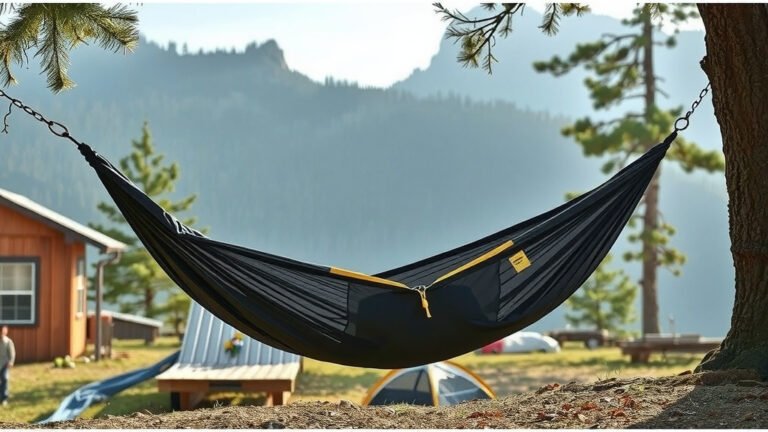
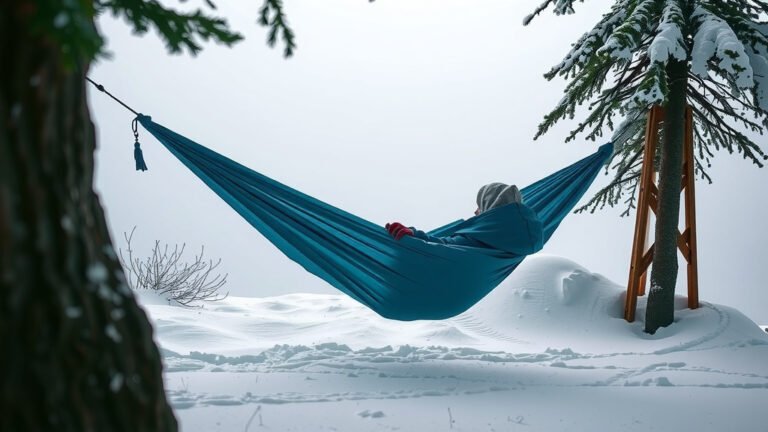
The easiest way to get comfortable for side sleeping in a hammock is to sleep diagonally instead of straight down the middle. This flattens the fabric under your body, keeps your back straighter, and gives your shoulder room to breathe. Add a small pillow under your head and a blanket over your shoulder, and you’re most of the way there.
Side sleeping in a hammock takes a bit of setup, but it’s totally doable. We researched what seasoned hammock campers do and found that ridge lines, underquilts, and body position matter more than the hammock itself. Wondering if you’ll wake up with a dead arm? You won’t, if you set things up right.
- Sleep at a diagonal angle for a flatter, more supportive surface.
- Use a pillow or folded jacket to keep your neck in line with your spine.
- Hang your hammock with a gentle sag, not banana-tight.
- Try a knee pillow or blanket between your legs for hip comfort.
- Tuck your top arm behind or over your head so it doesn’t fall asleep.
Below, we walk through everything you need to know about getting cozy on your side, step by step. Grab your hammock, and let’s get you sleeping soundly under the stars.
Getting Cozy on Your Side in a Hammock
The secret is treating the hammock like a wide, flat surface instead of a banana-shaped bed. Once you lie diagonally, the fabric stops wrapping you like a burrito and starts supporting you like a mattress. Everything below builds on that one idea.
Many first-time hammock campers assume side sleeping is impossible. We found the opposite. With the right hang and a few small adjustments, plenty of people sleep on their side every night outdoors.
Start With the Right Hang
Your comfort begins before you ever climb in. A hammock hung too tight creates a stiff, curved surface that forces your spine into a C-shape. A gentle sag flattens the bed and lets you lie much closer to level.
Hang your straps at about a 30-degree angle from the tree. That’s roughly the angle of a lazy afternoon, not a tightrope. If your hammock looks like a smile instead of a taut line, you’re doing it right.
The Sag Test Before Bedtime
Sit in the hammock first. If your hips sink well below your shoulders and your knees want to curl, add a little tension. If it feels board-stiff, loosen the straps.
Experts who study sleep posture agree that keeping the spine neutral matters more than the surface itself (Cleveland Clinic). A proper sag is how you get that neutral position in soft fabric.
Pick Your Anchor Points Wisely
Distance between trees changes everything. Look for anchors 10 to 15 feet apart so you can adjust the sag freely. Too close, and you’re forced into a tight, awkward hang.
Also check the strap height. Chest-high anchoring gives you room to fine-tune. Knee-high anchoring forces you to choose between too tight or dragging on the ground.
Nailing the Diagonal Position
Lie down and shift your body until your head is off-center to one side and your feet are off-center to the other. Think of it like lying across a recliner instead of down its length. The fabric under you should feel flat and even.
Most people land somewhere between 15 and 30 degrees off the centerline. There’s no magic number. Roll a few inches at a time until your back feels supported and your shoulder isn’t pressed into a fold.
Adjusting for Your Height
Taller campers need a bigger diagonal. If you’re over six feet, push your feet toward one corner and your head toward the opposite corner as far as comfort allows. A wider or longer hammock helps here. Our guide to hammock length for taller campers breaks down the sizing.
We found that a standard 9-foot hammock works for side sleeping, but an 11-foot model gives you noticeably more room to spread out. If you’re shopping anyway, longer is friendlier.
Freeing Up Your Bottom Shoulder
The number one side-sleeping complaint is a shoulder pressed into a tight fold of fabric. The fix is simple: shift your torso slightly toward your back, so the fabric under your shoulder loosens instead of cinching.
You can also slide a folded jacket or small pad under the fabric at your shoulder. This fills the gap and softens the pressure point. Think of it as adding a memory foam topper, just in the one spot that needs it.
Pillow and Padding Setup
Head support in a hammock is different from a bed. You don’t need a thick pillow, because the hammock already cradles you. You need just enough lift to keep your neck in line with your spine.
Head and Neck Alignment
Many sleep experts suggest keeping your head level with your back, not propped up like you’re watching TV (Mayo Clinic). In a hammock, a low-loft pillow or a rolled-up hoodie usually does the trick.
Comparing Your Padding Options
Here’s a quick look at what works under your head and shoulders.
| Option | Comfort | Best For |
|---|---|---|
| Camping pillow | Medium | Lightweight trips, predictable support |
| Folded jacket | Medium-high | Zero extra weight in your pack |
| Inflatable pad | High | Cold nights and broader body coverage |
| Foam sit pad | Low-medium | Targeted shoulder or hip relief |
On cooler nights, a pad also stops the cold air under the hammock from stealing your body heat. More on that below.
Keeping Your Top Arm From Falling Asleep
Nobody wants to wake up to a noodle arm. The usual culprit is blood flow getting squeezed when your top arm dangles or folds under you.
Try these positions that seasoned hammock sleepers use:
- Bend your elbow and tuck your hand behind your head, like a relaxed lounge pose.
- Rest the arm on top of the blanket or hammock edge instead of letting it hang.
- Straighten it along your side with the hand near your hip.
- Stack it on your chest if the fabric gets in the way.
If your arm still tingles, shift your torso an inch or two. Small moves fix most of it. Many guidelines on circulation recommend changing position whenever numbness starts, rather than toughing it out (NIH).

Hip and Leg Comfort on Your Side
Side sleepers sometimes wake with a twisted feeling in the lower back. The fix mirrors what bed sleepers do: support the top leg.
The Between-the-Knees Trick
Slide a folded blanket, small pillow, or even a stuff sack between your knees. This keeps your hips stacked and your spine neutral all night. Physical therapists often recommend this for side sleepers on regular mattresses, and it works the same way here (Cleveland Clinic).
Bend your bottom knee slightly, too. A gentle bend relaxes the hip and keeps the hammock fabric from pressing into one spot.
Staying Warm Without a Squashed Sleeping Bag
Here’s the sneaky problem nobody warns you about: a sleeping bag’s bottom compresses under your weight and stops insulating. Cold air moving beneath the hammock pulls heat right out of you. Our underquilt vs. sleeping pad comparison explains the trade-offs.
Underquilt vs. Pad for Side Sleepers
An underquilt hangs below the hammock, so nothing compresses and your body heat stays trapped. It’s the gold standard for cold nights. Down or synthetic, it moves with you as you shift sides.
A pad is the budget-friendly alternative. Place it inside the hammock and lie on it. The downside: thin pads can shift, and side sleepers sometimes feel the cold through them. If you go this route, pick a pad with a higher warmth rating than the night calls for.
Keeping your core warm helps you fall asleep faster, too. Sleep researchers have long linked body temperature drops to the onset of drowsiness (NIH).
Your Pre-Bedtime Comfort Checklist
Run through this before you climb in, and you’ll skip most midnight fidgeting:
- Check the hang angle for a gentle 30-degree sag.
- Confirm the fabric feels flat where your body will rest.
- Set your pillow so your neck lines up with your spine.
- Place knee support between your legs.
- Tuck or rest your top arm where it can’t go numb.
- Make sure your underside insulation is in place and snug.
That’s it. Six small moves, two minutes, and your side-sleeping setup is done. Now the only thing left to figure out is whether the frogs are singing you a lullaby or keeping score.
Conclusion
Side sleeping in a hammock comes down to a few small choices you control. Hang it with a gentle sag, lie diagonally so the fabric sits flat, and give your bottom shoulder room to breathe. Keep your neck lined up with your spine, stack your hips with a little knee support, and sort out your under-body insulation before the temperature drops. We’ve found that people who nail these details sleep just as well on their side outdoors as they do at home. So pick a couple of sturdy trees this weekend, run through the checklist, and give your first side-sleeping night in a hammock an honest try.
Frequently Asked Questions
Is side sleeping in a hammock bad for your back?
Not if you set it up correctly. The diagonal lie and a gentle sag keep your spine close to its natural curve, which is what your back wants. Problems usually come from a hammock hung too tight, not from the position itself.
Can you side sleep in a single-person hammock?
You can, but you’ll have less room to work with. A narrower hammock limits how far you can shift diagonally, which makes shoulder pressure more likely. If side sleeping is your main plan, a wider or longer model makes a real difference.
Why do I wake up stiff after sleeping in a hammock?
Stiffness usually means the fabric under you was bunched or the hang was too tight. That forces your spine into a curve all night. Try loosening your straps and shifting further into the diagonal before you settle in.
Do bug nets get in the way of side sleeping in a hammock?
They can, if the net sits close to your face. Look for a net that ties out to a ridge line or uses spreader poles, which creates a pocket of space around you. That way the mesh never drapes against your nose at 2 a.m.
How long does it take to get used to side sleeping in a hammock?
Most people adjust within a night or two. The first night is often about tweaking your setup, not about sleep quality. By the second outing, the diagonal position tends to feel natural, and many campers say they sleep straight through.