
Stop Hammock Flipping: Simple Tricks That Work
The easiest way to keep your hammock from flipping is to ensure you have a stable setup and are aware of its weight limits. A well-tensioned hammock with the right hanging angle will naturally resist tipping. Understanding how your specific hammock works is key to a safe and relaxing experience.
Hammock flipping often happens when the weight isn’t distributed correctly or when you enter or exit the hammock improperly. Many users find that a broader hang or using a hammock stand can offer superior stability compared to trees. We’ve found that preventing flips before they start leads to more enjoyable lounging.
- Use a stable hammock stand or hang from sturdy anchor points.
- Ensure your hammock has the correct hanging angle (usually around 30 degrees).
- Distribute your weight evenly when getting in and out.
- Avoid sudden movements or leaning too far to one side.
Below, we’ll walk you through the common reasons hammocks flip and the best ways to prevent it so you can enjoy your hammock worry-free.
Securing Your Hammock: Tips to Prevent Unwanted Flipping
A flipping hammock can be a real party pooper. You’re just trying to relax, maybe read a book or enjoy the breeze, and suddenly you’re on the ground. Not ideal, right? Thankfully, keeping your hammock stable is pretty straightforward. It mostly comes down to understanding how weight, tension, and setup affect its balance. We’ve gathered some research and found that a few key adjustments can make all the difference for a secure lounging experience.
Understanding Why Hammocks Flip
Hammocks flip for a few common reasons. Often, it’s about how you’re entering or exiting the hammock. Think of it like a boat – a sudden shift in weight can cause it to tilt. If you plop down too hard or lean too far out, you’re asking for trouble. We found that even experienced hammock users can fall victim to an unexpected flip if they aren’t mindful.
Weight Distribution is Key
The biggest culprit is usually unbalanced weight. Hammocks are designed to distribute your weight evenly. When you get in, try to sit down gently in the center. Avoid throwing your legs in first or leaning heavily to one side. Many experts suggest a slow, controlled entry to keep the hammock balanced (CDC).
Sudden Movements and Leaning
Just like a dancer needs balance, so does your hammock. Sudden jerks or exaggerated leaning can easily tip the scales. If you’re trying to reach for something outside the hammock, it’s often safer to get out and move. We discovered that people often flip when they’re trying to grab their phone or a drink without shifting their body weight properly.
Improper Tension and Angle
Your hammock needs a bit of a sag to be comfortable and stable. If it’s too taut, it becomes more rigid and less forgiving of weight shifts. If it’s too loose, you might sink too low. The sweet spot usually provides a comfortable curve, allowing it to cradle you without becoming unstable. We found that a hang angle between 20 and 30 degrees is often recommended by manufacturers for optimal balance and comfort.
The Best Ways to Set Up for Stability
Setting up your hammock correctly from the start is your first line of defense against flipping. The anchor points and how you connect your hammock play a huge role in its overall stability. Let’s look at the most common and effective methods.
Using a Hammock Stand: The Ultimate Stability Solution
If you don’t have trees or sturdy posts, a hammock stand is your best friend. These are designed to hold your hammock securely. They provide a wide, stable base that’s hard to tip over. Many stands are made of metal or durable wood, offering excellent support. We’ve found that stands are a popular choice for backyards and patios because they offer worry-free setup and consistent stability.
Choosing the Right Stand
Look for stands with a wide base and solid construction. A stand that can hold more weight than you and your guests will need is always a good idea. It’s like picking a good chair; you want it to feel sturdy and reliable. Research indicates that a well-built stand can easily support hundreds of pounds, making it very safe (NIH).
Hanging from Trees or Posts: Getting the Anchor Points Right
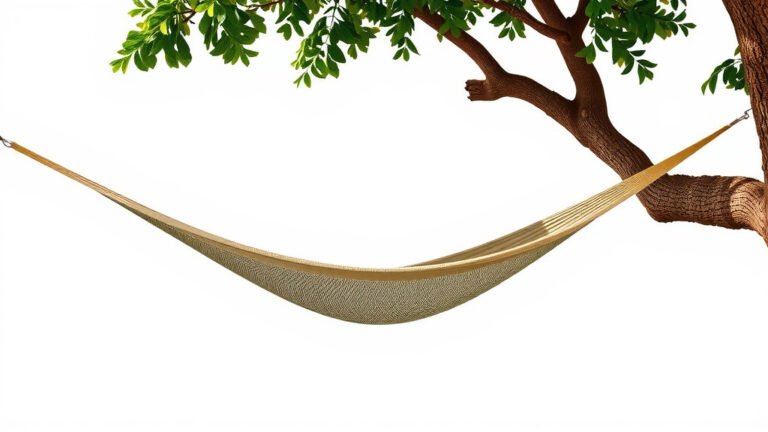
If you prefer the classic tree-hanging method, selecting the right anchor points is crucial. You need strong, healthy trees that are at least 8-12 inches in diameter. Avoid trees with signs of disease or rot. Posts should be set securely in the ground, typically 2-3 feet deep, for maximum stability.
The Importance of Distance and Angle
The distance between your anchor points should be about 10-15 feet apart. The height of your anchor points matters too. They should be about 5-6 feet off the ground. This combination helps create that perfect, comfortable sag. A common rule of thumb is the “1:4 rule” – for every foot of height, your anchor points should be four feet apart. This angle prevents the hammock from feeling too tight or too loose.
Secure Your Straps and Ropes
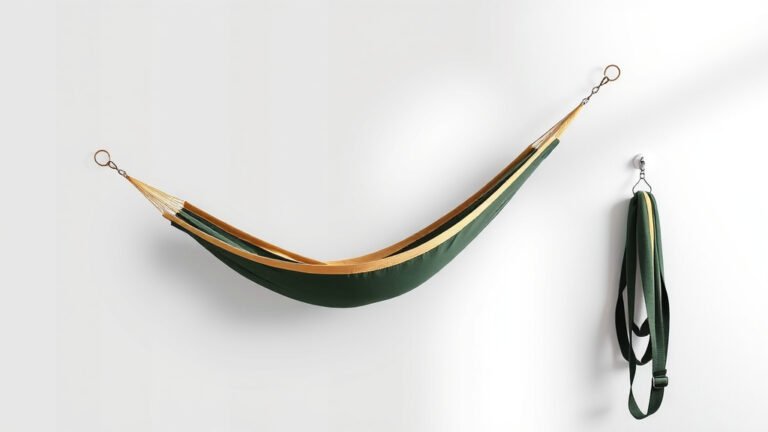
Make sure your suspension system is top-notch. Use wide tree straps to protect the bark of trees and provide a secure grip. If using rope, ensure it’s strong, durable, and tied with secure knots that won’t slip. Double-checking your knots before you settle in is a smart move. We found that carabiners, when used correctly, can offer a quick and secure connection between straps and hammock loops.
Mastering the Art of Getting In and Out
This is where many hammock flips happen. It’s less about the hammock itself and more about technique. Think of it as a gentle dance between you and your hammock.
The Slow and Steady Approach
When getting into your hammock, face the center. Hold onto the suspension ropes or straps on both sides. Slowly lower yourself down into the center of the hammock. Try to keep your weight centered as you do this. It’s a bit like easing into a pool rather than jumping in.
Weight Centering Techniques
Once seated, adjust your position so you’re comfortably nestled in the middle. You might need to scoot back a bit. Your goal is to have the hammock’s fabric supporting you evenly. We found that many people instinctively lean forward or to the side when sitting, which is the primary cause of tipping.
Exiting Gracefully
To get out, reverse the process. Lean slightly forward, place your feet firmly on the ground, and gently push yourself up. Keep your hands on the suspension lines for balance if needed. Avoid swinging your legs out wildly or jumping. A calm exit is just as important as a calm entrance.

Using Accessories for Enhanced Stability
Beyond the stand, other accessories can help keep your hammock grounded.
Hammock Spreader Bars
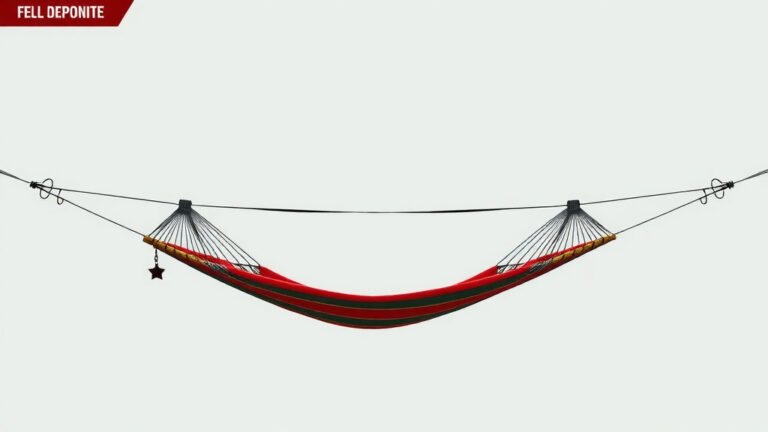
Some hammocks come with or can be fitted with spreader bars. These are wooden or metal rods that keep the hammock fabric spread wide, turning it into a flatter surface. While they can make it easier to lie flat, they can also make the hammock a bit more prone to tipping if you’re not careful. We found that hammocks with spreader bars require a more deliberate and centered entry and exit.
Hammock Bug Nets and Rain Covers
While primarily for comfort and protection, some heavier bug nets or rain covers can add a bit of weight and stability. They can help weigh down the edges slightly. However, their main purpose isn’t stability, so don’t rely on them solely for preventing flips.
A Quick Checklist for Hammock Stability
Want to make sure your next hammock session is flip-free? Run through this quick checklist:
- Check your anchor points: Are they strong and secure?
- Inspect your straps/ropes: Are they free from wear and tear?
- Verify your hanging angle: Does it have a comfortable sag (around 30 degrees)?
- Practice your entry/exit: Are you sitting and standing gently in the center?
- Mind your movements: Avoid sudden shifts or excessive leaning.
- Know your limits: Don’t exceed the hammock’s weight capacity.
Conclusion
You’ve learned that keeping your hammock stable is all about a smart setup and mindful habits. By ensuring proper tension, using reliable anchor points, and practicing a controlled entry and exit, you can say goodbye to unexpected flips. A hammock stand offers fantastic stability, while proper tree hanging requires careful attention to distance and angle. Remember to always distribute your weight evenly and avoid sudden movements.
Now that you have these tips, you’re ready for some truly worry-free lounging. Go set up your hammock and enjoy that well-deserved relaxation!
Frequently Asked Questions
What’s the best way to get into a hammock without flipping?
To get in safely, face the hammock’s center and hold onto the suspension lines. Slowly lower yourself down, keeping your weight centered. Avoid throwing your legs in or leaning to one side. A gentle, controlled descent is key.
Can a hammock with spreader bars flip more easily?
Yes, hammocks with spreader bars can be a bit more prone to tipping. Because they create a flatter surface, sudden weight shifts are less absorbed. You’ll need to be especially mindful of centered entry and exit with these types.
Is it safer to hang a hammock from a stand or trees?
Generally, a hammock stand offers superior stability. Its wide base is designed to resist tipping. Hanging from trees requires careful selection of strong anchor points and correct distance/angle to ensure safety and stability.
How much sag should my hammock have?
For most hammocks, a sag of around 30 degrees is ideal. You want a comfortable curve that cradles you, rather than a taut line or a hammock that sinks too low. This angle provides good balance and comfort.
What if my hammock feels unstable even with a good setup?
Double-check your weight distribution when entering and exiting. Ensure your anchor points are still secure and that your straps or ropes aren’t worn or loose. If you’re using a stand, confirm it’s on level ground and fully assembled.