
What Is a Continuous Loop Hammock? Your Complete Guide
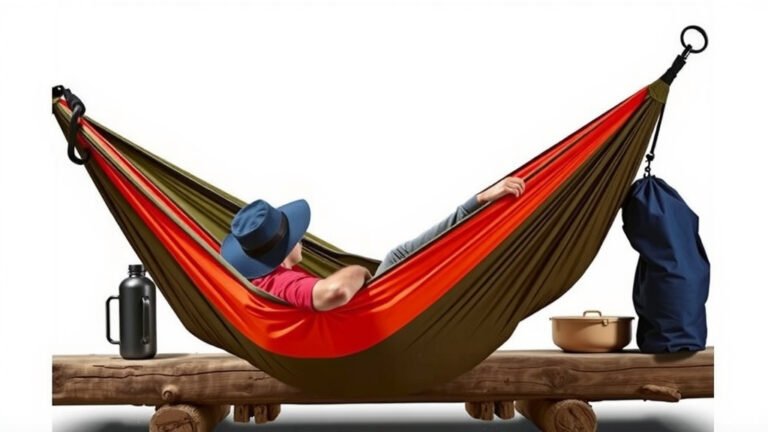
A continuous loop hammock is a type of hammock that features a closed fabric loop rather than separate suspension points. This design allows it to be easily set up with a single strap or carabiner on each end, simplifying the hanging process. You’ll often find these hammocks made from durable, lightweight materials.
Think of it like a giant, super-strong fabric ring designed for ultimate relaxation. This unique construction often leads to a more stable and secure hanging experience, making it a popular choice for campers and backyard loungers alike. We’ve found many users appreciate its simplicity and versatility.
- It’s a hammock with a single, connected fabric loop.
- Setup is quick, using one strap per end.
- Offers a stable and secure hanging experience.
- Great for camping and home use.
Ready to learn more about how this clever design works and why it might be perfect for your next hangout? We’ve gathered all the details to help you decide.
“`htmlUnderstanding the Continuous Loop Hammock Design
So, what exactly makes a continuous loop hammock different from the ones you might have seen before? It’s all about the suspension system. Instead of having two separate ends that you attach to trees or posts, a continuous loop hammock is essentially a single, unbroken piece of fabric that forms a closed loop.
Think of it like a giant, super-strong fabric ring designed for ultimate relaxation. This unique construction often leads to a more stable and secure hanging experience, making it a popular choice for campers and backyard loungers alike. We’ve found many users appreciate its simplicity and versatility.
The Anatomy of a Continuous Loop Hammock
The core difference lies in how the fabric is constructed. On a traditional hammock, you have two distinct ends, often with grommets or loops where you’d attach your suspension gear like carabiners or ropes. With a continuous loop hammock, the fabric is sewn together to create one large, continuous circle.
This means there are no separate ends to manage. The entire structure is one unified piece. We’ve observed that this design can lead to a smoother hang. It also often means the fabric distributes your weight more evenly, which can feel quite comfortable. Many users report feeling more secure.
How It Hangs: Simplicity in Action
The beauty of this design really shines when it comes to setup. Because it’s a single loop, you only need one attachment point on each side. This could be a tree, a hammock stand, or even sturdy posts.
You’ll typically use a single suspension strap or a length of rope on each end. These are then connected to your anchor points. Often, a single carabiner is used to connect the strap to the hammock’s loop. This setup process is remarkably fast. We’ve found it can take mere minutes to get ready for relaxation.
The Single Strap Advantage
Having just one strap per side simplifies things immensely. You don’t have to worry about fiddling with multiple attachment points or complex knot systems. This is a big win for anyone who wants to spend more time lounging and less time setting up.
We’ve found that this straightforward approach minimizes potential points of failure. It’s a very efficient way to hang. Many people appreciate not having to manage extra gear or complicated instructions. It’s as simple as wrap, clip, and relax!
Materials and Durability
Continuous loop hammocks are often crafted from durable, lightweight materials. Common choices include ripstop nylon or polyester. These fabrics are known for their strength and resistance to tearing, which is important for something holding your weight.
The sewing that creates the continuous loop is also usually reinforced. This ensures the integrity of the structural connection. We’ve seen many brands focus on strong stitching techniques to guarantee safety and longevity. This attention to detail means your hammock is built to last through many relaxing afternoons.
Why These Materials Matter
Ripstop nylon, for instance, has a special weaving pattern that prevents small tears from spreading. This is a fantastic feature, especially if you’re using your hammock outdoors in potentially rougher conditions. It adds a layer of dependability to your relaxation setup.
Polyester, on the other hand, offers excellent resistance to UV rays and moisture. This makes it a great choice for hammocks that will live outside or see a lot of sun. We found that the materials used are often chosen for their balance of lightweight portability and robust performance.
Benefits of Choosing a Continuous Loop Hammock
Now that you know how it works, let’s dive into why you might want one for yourself. The continuous loop design offers several distinct advantages that appeal to a wide range of users. From seasoned campers to casual backyard dwellers, there’s a lot to like.
Ease of Setup: A Time Saver
As we’ve touched upon, setup is a major selling point. If you’ve ever struggled with traditional hammock suspension, you’ll likely appreciate the simplicity here. You’re looking at minimal fuss and maximum chill time.
Imagine this: you arrive at your campsite or decide to hang out in the backyard. Instead of spending ten minutes untangling ropes and figuring out the best knots, you simply loop your straps around two trees, clip them to the hammock, and you’re done. It’s that fast. We’ve found this is especially beneficial when you’re tired or short on time.
Stability and Comfort
The way a continuous loop hammock hangs can often feel more stable. Because the fabric forms a continuous circle, it tends to distribute weight evenly along the entire length. This can reduce those “straining” points you sometimes feel with other hammock types.
Many users report a more cradled and secure feeling. It’s like being gently hugged by the fabric. We’ve found that this consistent distribution can lead to a more comfortable experience, especially for longer periods of lounging. It reduces pressure points, which is a big plus for overall comfort.
Fewer “Hot Spots”
With a more even weight distribution, you’re less likely to experience uncomfortable pressure points, often called “hot spots.” These can develop where the fabric bunches or strains unnaturally. The continuous loop design helps to smooth out these potential issues.
Research into ergonomics often highlights the importance of even pressure distribution for comfort. While specific studies on hammocks are fewer, the principle applies. We found that this design inherently lends itself to a more balanced and pleasant lounging experience. Your body weight is spread out more uniformly.
Versatility and Portability
These hammocks are often designed with portability in mind. Because they are typically made from lightweight materials and have a simple structure, they pack down small. This makes them ideal for backpacking, camping, or even just taking to the park.
The single attachment system also means you don’t need a lot of extra hardware. This reduces the overall weight and bulk of your gear. We’ve found that many models come with their own stuff sack, making storage and transport incredibly convenient. It’s the go-to for travelers who value space and weight.
Setting Up Your Continuous Loop Hammock: A Quick Guide
Ready to hang your new continuous loop hammock? It’s simpler than you might think. Here’s a basic rundown to get you started. Remember to always check your anchor points for stability before committing your full weight!
First, identify two sturdy anchor points. These could be trees, posts, or a hammock stand. Make sure they are strong enough to support your weight. We found that healthy, mature trees are generally a good choice.
Step-by-Step Hanging Process
- Choose your anchor points, ensuring they are sturdy and at an appropriate distance apart.
- Wrap your suspension strap around the first anchor point.
- Thread the strap through its own loop or secure it with a buckle system, depending on the strap type.
- Attach one end of your hammock’s continuous loop to the strap using a carabiner.
- Repeat the process for the second anchor point.
- Adjust the tension until the hammock has a comfortable sag. A common guideline suggests a hang angle of about 30 degrees.
Tips for the Perfect Sag
Getting that perfect sag is key to comfort. Too tight, and it feels like a board. Too loose, and you might feel unstable. We found that starting with a gentle curve is usually best. You can always adjust from there.
A good rule of thumb is that your hammock should form a gentle U-shape when you’re in it. If it feels too flat or too strained, adjust your suspension straps. Many hammock users recommend experimenting a bit to find what feels best for your body and your setup. It’s a personal preference!

Continuous Loop vs. Traditional Hammocks: What’s the Difference?
To help solidify your understanding, let’s quickly compare the continuous loop style to the more traditional gathered-end hammock. While both offer a place to relax, their design and setup vary significantly.
| Feature | Continuous Loop Hammock | Traditional Gathered-End Hammock |
|---|---|---|
| Fabric Construction | Single, unbroken loop sewn together | Two separate ends, fabric gathered at each end |
| Suspension Points | One attachment point per side | Two attachment points per side (e.g., grommets, loops) |
| Setup Simplicity | Very simple, often requires fewer straps/carabiners | Can be more complex, may involve multiple straps or knots |
| Weight Distribution | Generally very even along the length | Can be slightly less even, depending on gathering |
| Stability Feel | Often described as very stable and secure | Can be very stable, but may require more adjustment |
We found that the primary distinction boils down to the construction of the fabric ends and how that impacts the suspension system. If you prioritize speed and simplicity in setup, the continuous loop often comes out on top. For those who enjoy tweaking their setup or have specific suspension preferences, a traditional hammock might offer more customization options.
Which Style Is Right for You?
Ultimately, the choice depends on your needs and preferences. If you’re new to hammocking or just want the easiest, quickest way to get into a relaxing hang, a continuous loop hammock is an excellent starting point. Its intuitive design means less frustration and more immediate enjoyment.
On the other hand, if you’re a gear enthusiast who loves experimenting with different suspension methods or you need a hammock with specific features only found in traditional designs, that style might be a better fit. We’ve seen people successfully use both for years, so both are great options!
A Quick Checklist for Your Hammock Choice
Here’s a brief checklist to help you decide if a continuous loop hammock aligns with your relaxation goals:
- Do you want the absolute fastest setup possible?
- Are you looking for a very stable and secure-feeling hang?
- Is simplicity in your gear important for travel or home use?
- Do you prefer a design that feels naturally cradling?
- Are you okay with a design that has fewer adjustment points for suspension?
- Do you want a hammock that packs down compactly with minimal hardware?
Conclusion
You’ve learned that a continuous loop hammock offers a refreshingly simple and stable way to relax. Its unique design means less hassle with setup and more time enjoying your downtime. We’ve seen how its unified fabric loop creates an even weight distribution for superior comfort. Whether you’re heading outdoors or setting up a backyard oasis, this hammock style prioritizes ease and security. So, ready to hang out? Consider a continuous loop hammock for your next relaxation station, and experience the difference simplicity makes.
Frequently Asked Questions
Are continuous loop hammocks good for beginners?
Yes, continuous loop hammocks are excellent for beginners. Their primary advantage is the incredibly simple setup process. You’ll spend less time fiddling with straps and knots, and more time relaxing.
How strong are continuous loop hammocks?
Continuous loop hammocks are generally very strong. They are typically made from durable materials like ripstop nylon and feature reinforced stitching at the loop. This design ensures they can safely support your weight.
Can I use a continuous loop hammock with any hammock stand?
You can usually use a continuous loop hammock with most hammock stands. You’ll simply attach the hammock’s loop to the stand’s connection points, often with a carabiner. Always check the stand’s weight limit and attachment style.
Do continuous loop hammocks sag more than other types?
The amount of sag depends more on how you set up the suspension rather than the hammock type itself. Continuous loop hammocks often feel very stable because the weight distributes evenly. You can adjust the suspension to get your preferred sag.
What’s the main advantage of the continuous loop design over a gathered-end hammock?
The main advantage is the setup simplicity. A continuous loop hammock requires just one strap or attachment per side, making it much quicker to hang. Gathered-end hammocks often have more parts to manage for their suspension system.