Hammock vs Tent Camping: Which is Right for You
When choosing between a hammock and a tent for your next camping trip, the best option depends on your priorities. Hammocks offer a unique, comfortable sleeping experience with minimal ground impact, while tents provide more versatile shelter and protection. Hammocks are generally lighter for backpacking, but setting them up requires suitable trees. Tents are more universally applicable, even in treeless areas.
We found that both methods have pros and cons for different camping styles. Hammock camping can be incredibly relaxing and offers amazing views, but it might not be ideal in very cold weather or during heavy rain without proper accessories. Tent camping provides a secure, enclosed space that can handle various weather conditions, making it a reliable choice for many adventurers.
- Hammocks offer comfort and tree-hugging ease.
- Tents provide versatile shelter for any terrain.
- Consider weather and location for your choice.
- Weight and setup are key factors for backpackers.
Let’s break down the differences to help you decide which camping method is right for your adventures.
Choosing Your Camp Shelter: Hammock vs. Tent
Deciding between a hammock and a tent is a fun part of planning your camping adventure. Both offer a place to sleep, but they do it in very different ways. We’ve looked at what makes each one great for different situations. Think about where you’ll camp and what kind of experience you’re hoping for. This guide will help you figure out which one fits your camping style best.
The Hammock Experience: Sleeping Among the Trees
Hammock camping is all about a unique sleeping setup. You hang your shelter between two sturdy trees. It feels like you’re floating. Many campers find this incredibly relaxing. It also means you’re not sleeping directly on the ground, which can be a big plus.
Comfort and Relaxation
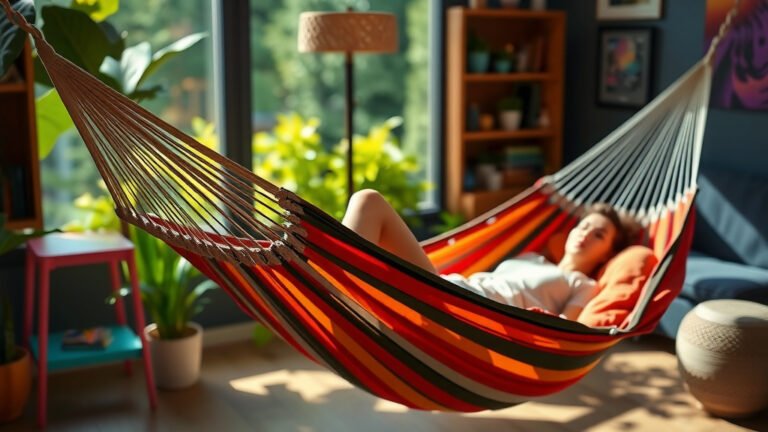
When set up correctly, a hammock can be surprisingly comfortable. It conforms to your body’s shape. This can help relieve pressure points. Some people even say it feels like sleeping in a cloud. The gentle sway can lull you to sleep. It’s a truly different feeling from a flat sleeping surface.
Weight and Portability
For backpackers, weight is a huge concern. Hammock systems can be very lightweight. You can find ultralight hammocks and suspension systems. This makes them an attractive option for long hikes. They often pack down smaller than many tents. This frees up valuable space in your pack.
Environmental Impact
Hammock camping has a lower impact on the environment. You’re not disturbing the ground. This helps preserve fragile ecosystems. Many park systems encourage or require hammock camping in sensitive areas. It’s a great way to be a more responsible camper.
Setup Requirements
The biggest challenge with hammocks is finding suitable trees. You need two healthy trees spaced correctly. They must be strong enough to hold your weight. This limits where you can set up camp. If you’re camping in a desert or above treeline, a hammock might not be an option.
What You’ll Need for Hammock Camping
A basic hammock setup includes the hammock itself and a suspension system. Tree straps are essential to protect the trees. You’ll also want a bug net to keep insects away. For colder weather, a sleeping pad and an underquilt are highly recommended. A tarp provides rain protection. A basic hammock setup includes the hammock and suspension system, and learning how to set it up is key.
The Tent Advantage: Versatile Shelter for Any Terrain
Tents offer a more traditional camping shelter. They are self-contained units. You can pitch a tent in almost any location. This makes them incredibly versatile for different types of trips.
Protection from the Elements
Tents are excellent at protecting you from rain, wind, and even snow. They create a sealed environment. Good tents are designed to withstand storms. They keep you dry and warm. This reliable protection is a major reason many campers choose tents. Many studies show that staying dry is key to comfort and safety outdoors (CDC).
Space and Storage
Tents offer more interior space than hammocks. You can sit up inside most tents. This is great for changing clothes or organizing gear. Many tents have vestibules. These are covered areas outside the main tent. They provide extra storage space for muddy boots or backpacks.
Setup in Various Locations
Unlike hammocks, tents don’t require trees. You can pitch a tent on rocky ground, sandy beaches, or open fields. This flexibility opens up more camping possibilities. If you’re planning a trip where trees are scarce, a tent is likely your best bet. You just need a relatively flat spot.
Privacy and Security
A tent offers a sense of privacy and security. You have your own enclosed space. This can be comforting, especially for solo campers or families with children. You can zip yourself in and feel safe from the outside world.
Types of Tents
Tents come in many shapes and sizes. You have dome tents, tunnel tents, and cabin tents. Backpacking tents are designed to be lightweight. Family tents are larger and offer more living space. Choosing the right type depends on how many people are camping and the conditions you expect.
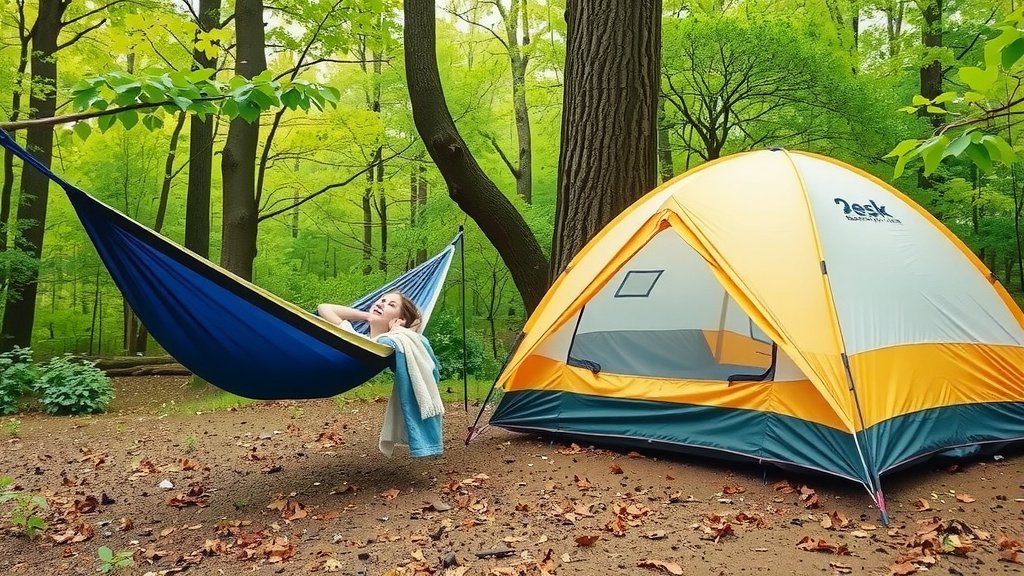
Comparing Key Features: Hammock vs. Tent
Let’s put some of the main differences side-by-side. This comparison can help you see which features matter most to you.
| Feature | Hammock Camping | Tent Camping |
|---|---|---|
| Best For | Forested areas, light packers, comfort seekers | Any terrain, variable weather, gear storage |
| Setup Location | Requires sturdy trees | Works on most flat surfaces |
| Comfort | Excellent body conforming, floating sensation | Varies by mattress/pad, can be firm |
| Weather Protection | Needs extra gear (tarp, underquilt) for bad weather | Generally good protection with proper setup |
| Weight | Often lighter for minimalist setups | Can range from ultralight to heavy family tents |
| Ground Impact | Minimal, preserves environment | Can disturb ground vegetation/soil |
Making Your Final Choice
So, which one is right for your next trip? Ask yourself a few questions:
- Where will you be camping? Are there trees?
- What kind of weather are you expecting?
- How much gear do you need to carry?
- What is your budget?
- What kind of sleeping comfort are you looking for?
If you love sleeping outdoors and being surrounded by nature, a hammock might be perfect. Especially if you enjoy backpacking and want to shave off weight. If you need a reliable shelter that can handle anything, a tent is probably the way to go. Think about your past camping trips and what worked or didn’t work. This will guide you toward the best decision for you.
Conclusion
Choosing between a hammock and a tent comes down to your personal camping style and destination. Hammocks offer a lightweight, low-impact, and uniquely comfortable experience, ideal for treed areas and backpackers. Tents provide more versatile shelter, dependable protection in varied conditions, and ample space, making them a great all-around choice. Consider the trees, the weather, and your gear needs. Your next great adventure awaits, and now you can pick the shelter that best suits it!
Frequently Asked Questions
Can I use a hammock in the winter?
Yes, you can use a hammock in the winter, but it requires specific gear. You’ll need an underquilt for insulation, as the air under you can get very cold. A good tarp is also essential for rain and snow protection.
Are hammocks safe for sleeping all night?
When set up correctly with appropriate suspension and a stable design, hammocks are safe for all-night sleeping. Many campers find them more comfortable than traditional beds due to their body-conforming shape.
What if I can’t find two trees for my hammock?
If trees aren’t available, you can use a hammock stand or a bivy sack setup. Some hammock systems are designed to work with trekking poles or specialized poles. You can also consider tent camping if trees are a consistent issue.
How do I choose the right size tent for camping?
Tent sizes are usually listed by capacity (e.g., 2-person, 4-person). It’s often wise to get a tent rated for one person more than you’ll typically have. This gives you extra room for gear and more comfort.
Which is better for camping with kids: a hammock or a tent?
Tents are generally better for camping with kids. They offer more enclosed space for play, changing, and a sense of security. Hammocks can be fun, but they can also be challenging for younger children to get in and out of safely.