Hammock vs Tent: Which is Best for Camping
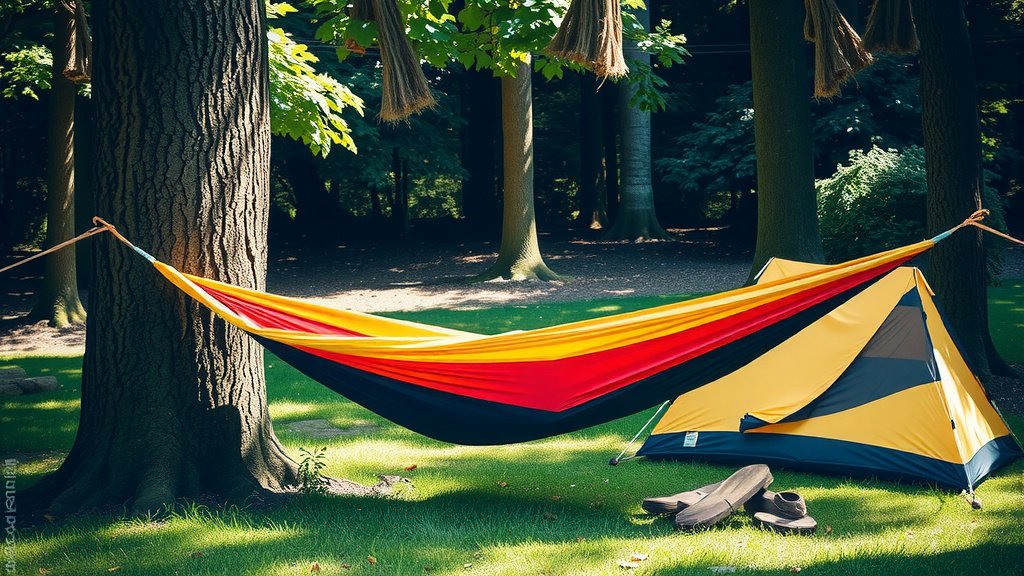
Choosing between a hammock and a tent for your next camping trip really depends on your priorities. For lightweight, minimalist adventures and enjoying open-air views, a hammock is often the better choice. Tents offer more protection and space, making them ideal for families or unpredictable weather.
Both options provide a way to sleep outdoors. We found that hammocks are excellent for comfort and ease of setup in the right environment. Tents excel in versatility, offering a reliable shelter against elements and bugs, providing a more traditional camping experience.
- Hammocks are great for minimalist, scenic camping.
- Tents offer better protection against weather and bugs.
- Consider your trip’s location and expected conditions.
- Hammocks are lighter but require suitable trees.
- Tents are bulkier but more universally applicable.
Let’s break down the pros and cons of each so you can make the perfect choice for your outdoor adventures.
Tent or Hammock: Which Is Your Best Camping Companion?
Deciding between a tent and a hammock for your outdoor adventures might seem like a tough choice. Both offer a place to sleep under the stars. We found that the best option really depends on where you’re going and what you expect.
Think about your typical camping style. Are you a gear-hauling family or a light-and-fast solo hiker? Your answer will guide you toward the right shelter. We’ve looked at what makes each unique.
The Case for the Tent: Your Reliable Outdoor Room
Tents have been a camping staple for a reason. They offer a complete shelter. You get walls, a roof, and a floor, all in one package. This protection is key for many campers.
Protection from the Elements
When the weather turns, a tent is your best friend. It shields you from rain, wind, and even intense sun. Many tents are designed to be waterproof and windproof. This means you can stay dry and comfortable, even during a downpour. We found that good ventilation also prevents condensation inside.
Bug-Off Zone
Let’s be honest, bugs can be a major buzzkill. Tents come with built-in mesh screens. These keep mosquitoes, flies, and other creepy crawlies out. You can sleep soundly without swatting or worrying about bites. It’s like having your own private, screened-in porch.
Space and Versatility
Tents come in all shapes and sizes. From small one-person backpacking tents to large family domes, there’s an option for everyone. You often have room to move around, store your gear, and even change clothes standing up. This versatility makes tents suitable for almost any camping scenario. Many experts suggest tents for beginners due to their familiarity and ease of use (National Park Service).
The Allure of the Hammock: Sleeping Among the Trees
Hammocks offer a different kind of camping experience. They’re all about comfort and immersion in nature. Imagine drifting off to sleep suspended between two trees, with the gentle breeze rustling the leaves. It’s pretty magical.
Unmatched Comfort and Views
Many hammock campers rave about the incredible comfort. When set up correctly, a hammock can contour to your body, feeling like a supportive embrace. You get an unobstructed view of the sky. You might even see more stars than you would from the ground. We found that sleeping in a hammock can feel incredibly relaxing.
Lightweight and Packable
For hikers who want to go light, hammocks are a dream. They are typically much lighter and smaller than tents. A hammock, suspension straps, and a bug net can weigh less than a pound. This makes them ideal for backpacking trips where every ounce counts. You can carry less and hike further.
Setup and Location Considerations
Setting up a hammock is usually quick. You just need two sturdy trees spaced appropriately apart. However, this is also its main limitation. You must have suitable trees. If you’re camping in rocky areas, deserts, or open fields, a hammock won’t work. Many sources advise against using rope that can damage trees; look for wide webbing straps instead (Leave No Trace).
Direct Comparison: Key Differences at a Glance
Let’s lay it all out. Here’s a quick comparison to help you see the differences clearly.
| Feature | Tent | Hammock |
|---|---|---|
| Protection | Excellent (weather, bugs, ground critters) | Good (bugs with net, weather with tarp), no ground protection |
| Weight | Moderate to Heavy | Very Light |
| Pack Size | Bulky | Compact |
| Setup | Can take time, needs clear ground | Quick, needs trees |
| Comfort | Good (depends on pad/bag) | Excellent (for many) |
| Cost | Wide range, can be expensive | Generally more affordable |
| Best For | Families, bad weather, diverse locations | Solo/pairs, good weather, treed areas |
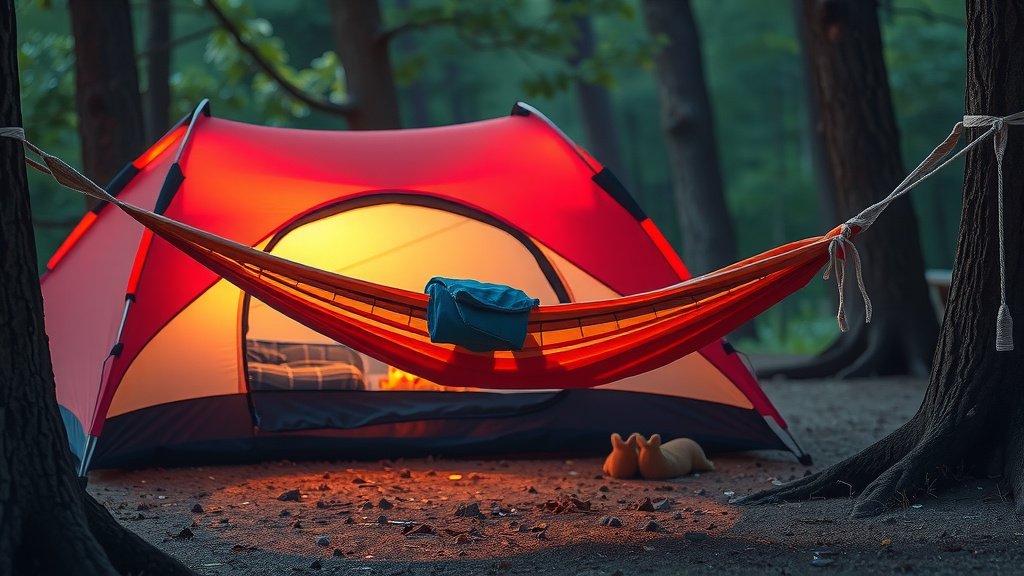
When to Choose Which: Making Your Decision
So, which one is right for you? It boils down to a few key factors.
Your Trip’s Environment
If you’re heading into a dense forest with plenty of mature trees, a hammock setup is a fantastic choice. You’ll likely find the perfect spots easily. However, if your destination is a rocky mountain pass, a desert, or an open beach, you’ll need the versatility of a tent. Tents don’t rely on natural supports.
Expected Weather Conditions
Are you anticipating rain, strong winds, or even snow? A tent will provide a much more reliable and secure shelter. Hammocks can work in inclement weather with the addition of a tarp, but it’s often less cozy than being inside a tent. For unpredictable weather, tents usually win. We found that many campers prioritize the full enclosure a tent offers.
Your Camping Style and Group Size
Are you a solo backpacker trying to save weight? A hammock is probably your best bet. Are you taking the kids on their first camping trip? A tent offers more space for gear and a familiar sleeping environment. For families or larger groups, tents are almost always the practical choice. They offer separate sleeping areas and more communal space.
Comfort Priorities
If sleeping flat on the ground has always bothered you, a hammock might be the answer to your prayers. Many people find them more comfortable than sleeping pads in a tent. You just need to find the right hang angle. However, some people never quite get used to the feeling of being suspended.
Your Gear Priorities
Consider what else you need to pack. A full tent setup, including stakes and poles, can take up significant space. A hammock system is often much smaller. This might influence your decision if you already have a lot of gear to carry. Think about your packability needs.
Checklist for Your Decision
Before you pack, run through this quick checklist:
- Do you have two sturdy trees? (Hammock)
- Are you expecting rain or high winds? (Tent)
- Are you traveling solo or with a group? (Hammock for solo, Tent for groups)
- Is minimizing pack weight your top goal? (Hammock)
- Do you want a fully enclosed shelter? (Tent)
- Is maximum comfort on your mind? (Hammock, for many)
Conclusion
Ultimately, your choice between a hammock and a tent comes down to your personal camping style and priorities. For a lightweight, immersive experience in a forested area, a hammock offers unparalleled comfort and scenic views. If you need robust protection from the elements, ample space for gear and people, or are camping in unpredictable terrain, a tent is your most reliable companion. We’ve laid out the pros and cons to help you decide. Now, think about your next adventure and pick the shelter that best fits your journey. Happy camping!
Frequently Asked Questions
Can I use a hammock if there aren’t many trees?
No, a hammock generally requires at least two sturdy trees spaced appropriately for setup. If your campsite lacks suitable trees, you’ll need a tent or a hammock stand. We found that a tent offers more flexibility for varied terrain.
Are hammocks safe for sleeping all night?
Yes, many people find hammocks very comfortable for all-night sleep once they find the right hanging angle. Some users add a sleeping pad for extra insulation and comfort. It’s a great option for those who find sleeping on the ground uncomfortable.
How do I stay warm in a hammock during colder weather?
To stay warm in a hammock, you’ll need an underquilt to insulate you from the cold air. A sleeping bag alone isn’t enough as the air underneath compresses. Many hammock campers also use a well-designed tarp for wind and rain protection.
What’s the best way to keep bugs out of my hammock?
The most effective way to keep bugs out of your hammock is by using a dedicated bug net that fully encloses your sleeping space. These nets usually attach to your hammock suspension. This ensures you won’t have any unwanted visitors while you sleep.
Is a tent really better for families with young children?
Generally, yes. Tents offer more space for multiple people and their gear, a sense of security with solid walls, and room for kids to play inside if the weather is bad. This makes them a more practical choice for family camping trips.