Hammock Without Stand: Can It Be Done Safely
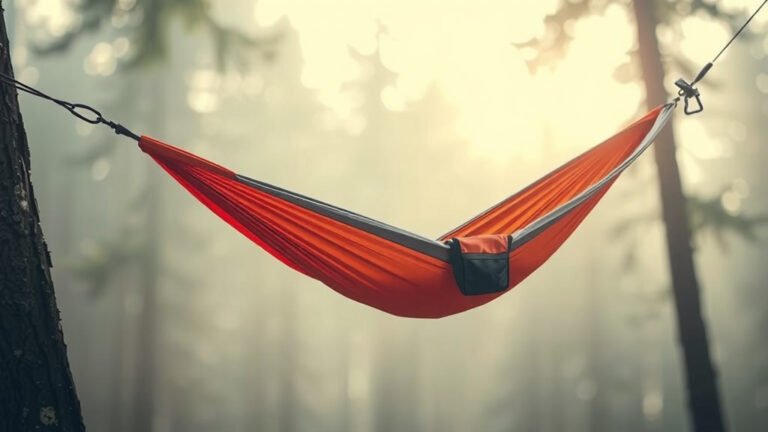
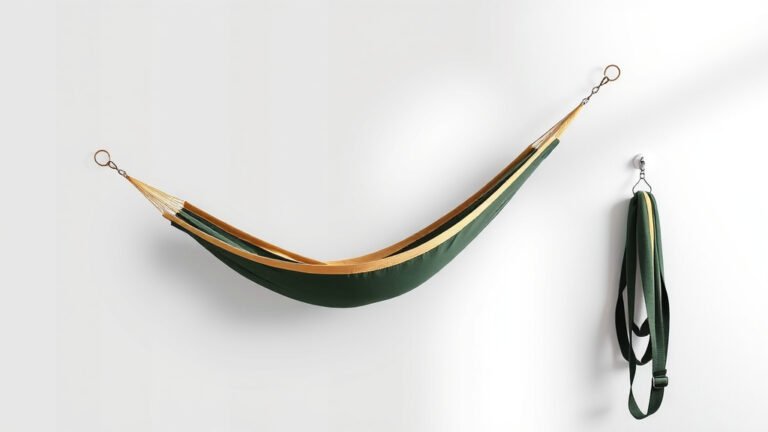
Yes, you absolutely can use a hammock without a stand! Many hammock setups are specifically designed to be hung between two anchor points, like trees or sturdy posts. You just need the right suspension system to make it work safely. It’s a common way to enjoy your hammock anywhere you find a couple of solid spots.
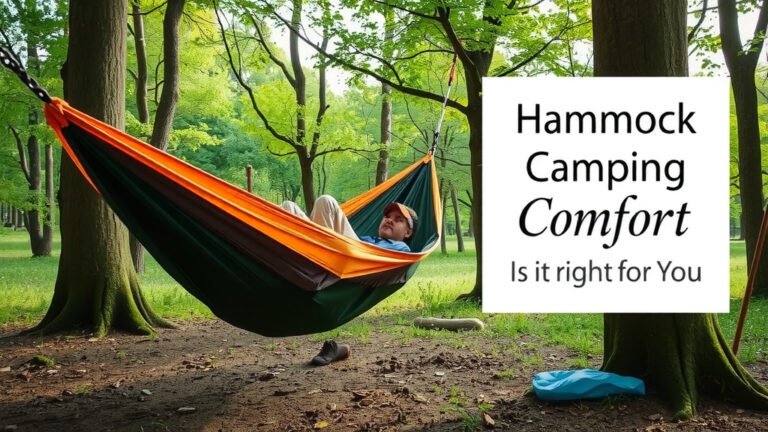
This opens up a whole world of possibilities for your relaxation. Forget about needing a bulky stand cluttering your yard. You can achieve that cozy hammock vibe by using trees in your backyard, or even finding posts at a park or campsite. Many people prefer this method for its portability and versatility.
- Yes, hammocks can be used without stands.
- You’ll need anchor points like trees or posts.
- Proper suspension straps are key for safety.
- This method offers great portability.
Ready to hang your hammock between two trusty trees? Let’s walk through exactly how you can do that safely and comfortably.
Hanging Your Hammock Without a Stand: Your Guide
You’re dreaming of lazy afternoons and gentle swaying. But you don’t have a hammock stand. Don’t worry, you can absolutely enjoy your hammock using just natural or man-made anchor points! It’s a popular and often preferred method. Many people find it more versatile than a stand.
Finding the Perfect Anchors for Your Hammock
The key to using a hammock without a stand is finding two strong anchor points. These points need to be sturdy enough to hold your weight and the hammock’s tension. Think of them as the legs of your relaxation station. What works best? The key to using a hammock without a stand is finding two strong anchor points.
Trees: Nature’s Perfect Support
Trees are often the first thing people think of, and for good reason. They’re readily available in many backyards and parks. When choosing trees, look for mature, healthy specimens. Their trunks should be at least 6 to 12 inches in diameter. Smaller trees might bend or even break under pressure. You want a tree that feels solid and unmoving.
Avoid trees with signs of disease, rot, or damage. Check the bark for any soft spots or cracks. Also, consider the spacing. The trees should be far enough apart to accommodate your hammock’s length. Typically, 10 to 15 feet is a good range. This allows for a comfortable sag.
Sturdy Posts and Poles: Built for Support
If trees aren’t an option, sturdy posts can be excellent anchor points. Think about thick fence posts, dedicated hammock posts, or even strong deck railings. Again, the strength and stability are paramount. These posts need to be sunk deep into the ground or firmly attached to a structure. A wobbly post is a recipe for disappointment.
For fence posts, look for ones that are at least 4×4 inches and solidly in the ground. If you’re using deck railings, ensure they are robust and securely fastened. You can even install specialized hammock posts if you’re a bit more handy. These are designed specifically for hanging hammocks and offer excellent stability. Always test any post setup before committing your full weight.
What About Other Structures?
Other structures might work, but require careful assessment. A strong, load-bearing beam on a porch or a sturdy architectural element could potentially serve as an anchor. However, this requires a keen eye for structural integrity. If you have any doubts about the strength of a particular point, it’s best to err on the side of caution and find a different spot. Remember, your safety is the top priority.
Choosing the Right Suspension System: Your Hammock’s Lifeline
Once you have your anchor points, you need a way to connect your hammock to them. This is where suspension systems come in. They’re like the straps that hold your hammock securely. There are several types, each with its own advantages. To connect your hammock to anchor points, you’ll need the right suspension systems.
Tree Straps: The Gentle Giant
Tree straps are widely considered the best option for hanging hammocks between trees. Why? Because they protect the tree’s bark. Standard rope can dig into the bark and damage the tree over time. Tree straps are typically wide and made of durable nylon or polyester. They distribute the pressure evenly, safeguarding the tree’s health.
Most tree strap kits come with multiple loops. This allows you to adjust the hanging height and distance between your anchor points easily. You simply wrap the strap around the tree and thread one end through a buckle or loop on the other. Then, you clip your hammock’s carabiner or S-hook into one of the desired loops. It’s a simple yet effective system.
Rope: A Classic (With Caveats)
Rope can be used, but it’s not always the ideal choice, especially for trees. If you do use rope, opt for a strong, low-stretch variety like dynamic climbing rope or a thick paracord. Make sure it has a high weight capacity. When tying to trees, use a method that won’t constrict the trunk, like a rolling hitch around a padded section. Many experts advise against using thin rope directly on tree bark (Mayo Clinic).
Rope can be a good option for connecting to very strong posts or eye bolts where bark damage isn’t a concern. Just ensure the rope is rated for the weight. You’ll need to know how to tie secure knots. Knots like the bowline or a taut-line hitch can be useful. However, if you’re not confident with knots, tree straps are a much safer and easier bet.
Whoopie Slings: The Adjustable Ace
Whoopie slings are a more advanced suspension system. They are made from continuous loops of cordage. They allow for incredibly fine adjustments in length. You simply slide a knot within the sling to shorten or lengthen it. This makes it easy to get the perfect hang angle and sag.
They are incredibly strong and lightweight. Many backpackers and serious hammock campers prefer whoopie slings. They are typically used with whoopie sling hooks or carabiners. Like tree straps, they are gentle on trees when used with any necessary tree protection. They offer excellent tensioning capabilities.
The Perfect Sag: What’s the Ideal Hammock Angle?
Getting the right amount of sag is crucial for comfort. A hammock that’s too tight feels like a guitar string – uncomfortable and unstable. A hammock that’s too loose can make you feel like you’re falling into a pocket. The general rule of thumb is a 30-degree angle. Imagine a clock face; the hang of your suspension should roughly point towards the 10 o’clock or 2 o’clock position.
This angle allows the hammock to cradle you naturally. You should be able to lie flat in your hammock. Many people find lying diagonally is the most comfortable position. This distributes your weight more evenly. A good sag also makes it easier to get in and out of your hammock.
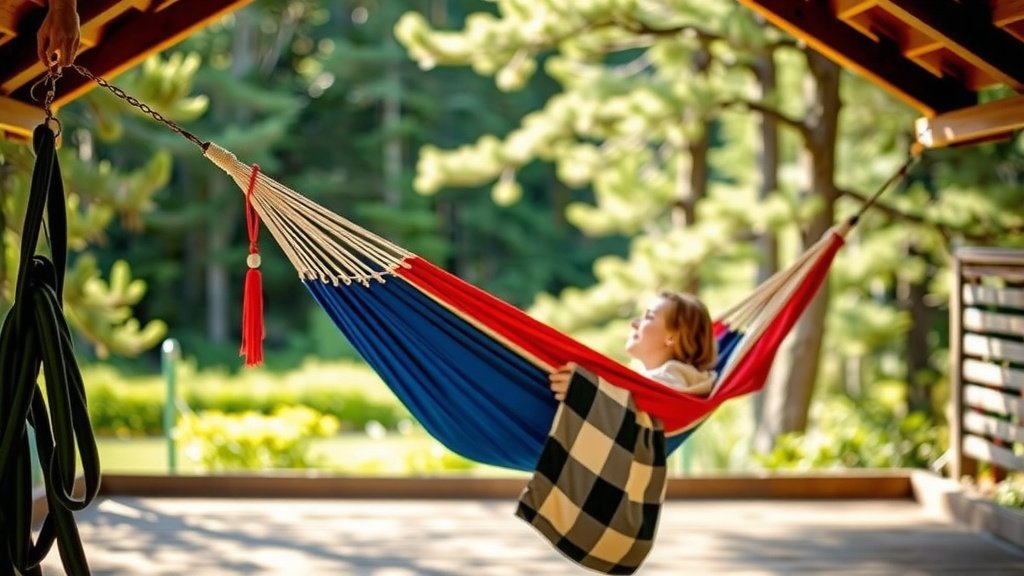
Safety First: Essential Checks Before You Relax
Before you settle in for a nap, a few safety checks are a must. Think of this as your pre-flight checklist for relaxation. It takes just a minute and can prevent a nasty fall.
- Inspect your anchor points: Give trees or posts a firm shake. Listen for creaking. Ensure they feel completely stable.
- Check your suspension: Make sure straps or ropes are securely attached. Ensure there are no frays or weak spots in your suspension system.
- Test the weight limit: Gently put your weight into the hammock before fully committing. Have a friend help you test it if you’re unsure.
- Clear the ground: Remove any sharp objects, rocks, or debris from directly underneath your hammock.
- Watch for overhead hazards: Ensure there are no dead branches or loose items above you that could fall.
Tips for a Comfortable Hammock Experience
Beyond the setup, a few little things can make your hammock experience even better. These are the small touches that turn a good nap into a great one. You’ll thank yourself for considering them!
Consider a Hammock Pillow
While not essential, a small pillow can make a big difference. It supports your head and neck, especially if you plan on spending a good amount of time lounging. Many camping pillows are lightweight and packable.
Bring a Bug Net and Tarp
If you’re venturing outdoors, bugs and unexpected rain can cut your relaxation short. A dedicated hammock bug net keeps biting insects away. A lightweight tarp can provide shelter from sun or rain. Many systems are designed to integrate easily with your hammock setup.
Pack Accordingly
If you’re setting up in a park or at a campsite, bring everything you need. Water, a good book, maybe a snack. You don’t want to have to get out and walk back to your car just for a drink. Being prepared means uninterrupted bliss.
Hammock Weight Limits: Know Your Gear
Every hammock and suspension system has a stated weight limit. Always check this information. It’s usually listed on the product tag or in the manual. Never exceed this limit. Most hammocks are designed for one person, but some larger models can accommodate two. Be honest about the combined weight of anyone using the hammock. A quick search for hammock weight ratings often points to manufacturer specifications, which are typically quite reliable.
| Feature | Tree Straps | Rope | Whoopie Slings |
|---|---|---|---|
| Tree Friendly? | Yes, excellent | No, can damage bark | Yes, with protection |
| Ease of Use | Very easy | Requires knot-tying skill | Requires learning |
| Adjustability | Good, pre-set loops | High, with knots | Excellent, micro-adjustments |
| Portability | Lightweight, compact | Lightweight | Very lightweight, compact |
| Durability | High | Variable, depends on rope type | Very high |
So, as you can see, there are plenty of ways to enjoy your hammock without a stand. It just takes a little know-how and the right equipment. You’re all set to find those perfect anchor points and hang your hammock for some well-deserved downtime!
Conclusion
You’ve learned that using a hammock without a stand is not only possible but often preferred for its flexibility. By finding sturdy anchor points like trees or posts and using the right suspension system, you can easily create your own relaxing oasis. Remember to always prioritize safety by inspecting your setup before you settle in. With these tips, you’re well-equipped to find the perfect spot and hang your hammock for some well-deserved downtime. Go ahead and find a great location to hang yours and start unwinding!
Frequently Asked Questions
What’s the minimum distance trees should be apart for a hammock?
The ideal distance between trees is typically between 10 to 15 feet. This range allows for a comfortable sag, ensuring you can lie flat and cradle your body properly. Too close and your hammock will be too tight; too far and it might not be secure.
Can I hang a hammock from my deck railing?
You can hang a hammock from a deck railing if the railing is exceptionally strong and securely attached to the house. Always test the railing’s stability thoroughly before trusting it with your weight. If there’s any doubt about its sturdiness, it’s best to find a different anchor point.
What if I only have one sturdy tree?
If you only have one sturdy tree, you’ll need a second anchor point. This could be another tree, a strong post sunk deep into the ground, or even a secure part of a building’s structure, like a strong beam. You’ll then use your suspension system to connect the hammock between these two different anchors.
How do I know if a post is strong enough?
A post needs to be thick (at least 4×4 inches) and sunk very deep into the ground, or securely attached to a robust structure. If the post feels wobbly when you push it, or if it shows signs of rot or damage, it’s not strong enough. Always test its stability by gently putting your weight on it first.
Are hammocks without stands safe for kids?
Yes, hammocks hung without stands can be very safe for kids, provided you follow all the safety guidelines. Ensure your anchor points are strong, your suspension system is secure, and you’ve checked the weight limits. It’s also a good idea to clear the ground underneath and supervise younger children.