Why Are Camping Hammocks Asymmetrical
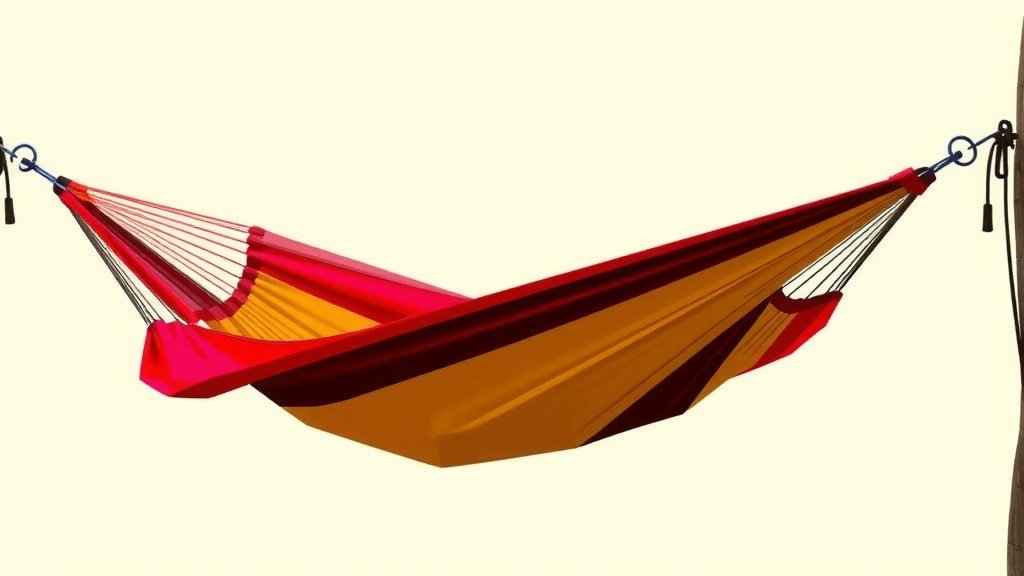
Camping hammocks are asymmetrical because this design helps you lie flatter and more comfortably. The angled cut creates a better sleeping position. It’s all about keeping your body supported and balanced for a great night’s sleep outdoors. This shape is key to enjoying your hammock without feeling like you’re in a banana.
This thoughtful design means you won’t feel the pressure points you might in a straight hammock. Many campers find this asymmetrical style is a major upgrade for comfort. It lets you shift around more easily. You can even find yourself sleeping soundly, almost like you’re in your own bed.
- Asymmetrical hammocks let you lie flatter.
- They offer better weight distribution.
- This design prevents common pressure points.
- Enjoy a more natural sleeping posture.
- Overall, it means more comfortable camping nights.
Ready to see why this unique shape makes such a difference? Let’s break down the design and benefits of asymmetrical camping hammocks so you can make the most of your outdoor adventures.
Understanding the Asymmetrical Hammock Design
You might be wondering why your camping hammock looks a bit funny, shaped more like a gentle curve than a straight line. This design isn’t accidental; it’s a smart choice for better comfort. We found that this asymmetrical shape is the key to a more restful outdoor sleep.
Why the Angled Cut Matters
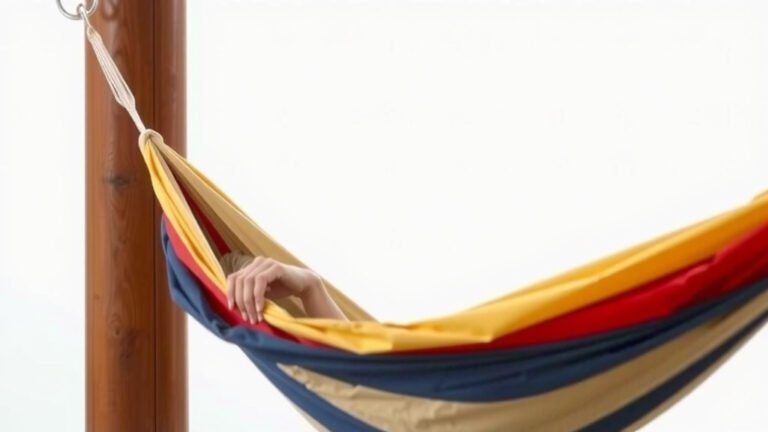
The primary reason for the angled cut is to help you lie flatter. Straight hammocks often force you into a “banana” position. This means your body is curved uncomfortably. The asymmetrical design counteracts this by shifting your weight distribution.
You’ll notice the hammock is wider at one end and narrower at the other. This shape encourages you to lie diagonally. This diagonal position is what allows you to spread out more. It makes a big difference in how supported you feel.
Flatter Sleeping Surface
When you lie diagonally in an asymmetrical hammock, the fabric stretches out differently. This creates a flatter area for your body. It’s like having more real estate to relax on. Many hammock campers say this is the biggest improvement over older, symmetrical designs.
Improved Weight Distribution
The angled cut also helps spread your weight more evenly. Instead of a concentrated pressure point, your body weight is distributed along the length of the hammock. This is a major win for your back and hips. You’ll feel less strain and more relaxation.
Comfort and Pressure Points
One of the biggest complaints about traditional hammocks is pressure points. These are spots where the fabric digs into your body. This can happen around your hips, shoulders, or knees. Asymmetrical hammocks are designed to minimize these.
The way the fabric contours your body in an angled lay reduces these hard pressure spots. You’re less likely to wake up with numbness or discomfort. This makes a huge difference on longer trips. It’s all about creating a more natural sleeping posture.
Reducing the “Cocoon” Effect
Sometimes, straight hammocks can feel a bit too much like a cocoon. They wrap around you tightly. While this can be cozy, it can also restrict movement. The asymmetrical design gives you more freedom to shift positions.
You can easily roll onto your side or adjust your legs without feeling trapped. This freedom to move is vital for a good night’s sleep. It helps prevent stiffness. Plus, it makes getting in and out of the hammock much easier.
The Science Behind the Shape
The design principles at play are pretty straightforward. We’re talking about physics and ergonomics. The goal is to mimic the way your body rests naturally.
Think about how you lie in bed. You don’t typically lie perfectly straight. You shift and adjust to find the most comfortable position. The asymmetrical hammock aims to replicate that feeling of ease.
Ergonomic Considerations
Ergonomics is the study of how people interact with their environment. In this case, it’s about how your body interacts with the hammock. Researchers have found that the human body prefers certain angles for rest.
The slight bend in an asymmetrical hammock aligns better with your spine’s natural curve. This reduces stress on your back muscles. Many sleep studies suggest that angled sleeping positions can improve spinal alignment (NCBI).
Materials and Tension
The fabric and how it’s tensioned also play a role. Hammock manufacturers use specific materials. These are often lightweight but strong. The way the fabric stretches and conforms is part of the design.
When you set up your asymmetrical hammock correctly, the fabric tension works with the shape. It pulls the ends up slightly. This creates that flatter, wider sleeping area in the middle. Getting the right tension is key to enjoying the benefits.
Comparing Hammock Types
It helps to see how asymmetrical hammocks stack up against others. Most camping hammocks fall into a few main categories.
| Hammock Type | Key Features | Comfort Level |
|---|---|---|
| Symmetrical (Straight) | Equal length on both sides. | Can be less comfortable for sleeping due to “banana effect.” |
| Asymmetrical | Wider in the middle, narrower at ends. Diagonal lay encouraged. | Significantly more comfortable for sleeping. Flatter surface. |
| Bridge Hammocks | Stiff poles keep fabric taut and flat. | Very flat, but can be bulky and heavier. |
As you can see, the asymmetrical design offers a great balance. It provides a flat sleeping surface without the added bulk of bridge hammocks. This makes it a popular choice for backpackers and casual campers alike.
Setting Up for Success
To get the most out of your asymmetrical hammock, proper setup is important. It’s not complicated, but a few tips can help.
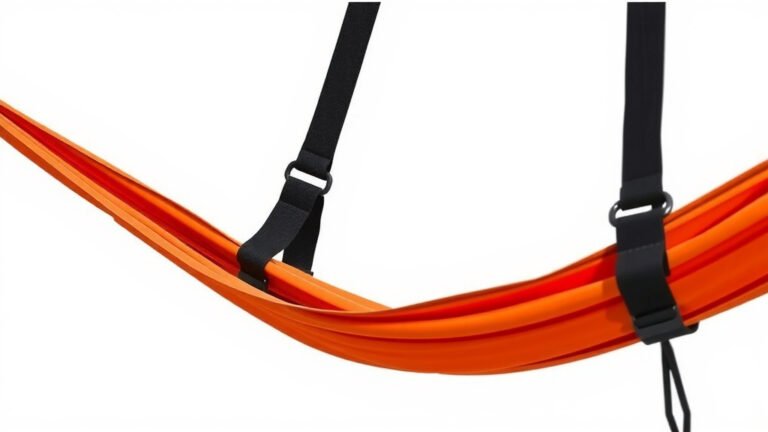
- Hang your hammock at a 30-degree angle.
- Ensure the suspension is taut enough to create a slight sag.
- Experiment with different lay positions.
- Use a bug net and rain tarp for a complete setup.
- Always test your setup before settling in for the night.
Following these simple guidelines will help you experience the full comfort of your asymmetrical hammock. It’s about creating your personal outdoor sanctuary.
Conclusion
You’ve learned why your camping hammock’s asymmetrical shape is a game-changer for comfort. This clever design lets you lie flatter and distribute your weight more evenly. It means saying goodbye to uncomfortable pressure points and hello to restful nights under the stars. You can finally achieve that natural sleeping posture you’ve been missing.
Ready to experience the difference yourself? Consider investing in an asymmetrical hammock for your next outdoor adventure. You’ll find it makes a world of difference for your sleep and your overall camping enjoyment.
Frequently Asked Questions
Will an asymmetrical hammock feel weird at first?
It might feel a little different when you first lie down. Your body is used to lying in straighter positions. Most people find they adjust very quickly. You’ll likely notice the increased comfort almost immediately.
Can I still sleep on my side in an asymmetrical hammock?
Absolutely! The design actually makes side sleeping easier. The angled cut gives you more room to maneuver. You won’t feel as confined as you might in a straight hammock.
Are asymmetrical hammocks heavier than straight ones?
Generally, the weight difference is negligible. The asymmetrical shape is achieved through fabric cut, not added material. You get superior comfort without adding extra ounces to your pack.
Do I need a special way to hang an asymmetrical hammock?
Yes, the setup is slightly different. You’ll want to hang it at a roughly 30-degree angle. This ensures the fabric pulls correctly to create that flatter sleeping surface. Proper tension is key to enjoying the benefits.
Is an asymmetrical hammock good for taller people?
Yes, many taller campers find asymmetrical hammocks especially beneficial. The design helps prevent that “feet hanging out” feeling. You can often lie diagonally for more length. This provides better overall support and comfort for longer bodies.