
Sleep Better Tonight: Your Hammock Comfort Guide
Sleeping comfortably in a hammock is totally achievable by finding the right hang angle and position. The key is to lay across the hammock diagonally, forming a flatter sleeping surface. This simple trick helps you avoid the dreaded “banana” shape and enjoy a much more restful sleep in your suspended bed. You’ll want to aim for a 30-degree angle for maximum comfort.
Many people think hammocks are only for lounging, but with the right setup, they can be an excellent place for a full night’s sleep. We’ve found that achieving a good hang is crucial for preventing pressure points and ensuring proper spinal alignment. Proper hammock setup also prevents you from feeling like you’re being squeezed, which is a common complaint from first-timers. It’s all about that diagonal lay and a forgiving suspension system.
- Lay across the hammock diagonally.
- Aim for a 30-degree hang angle.
- Ensure your hammock isn’t too taut.
- Use a sleeping pad for extra comfort.
- Consider a bug net and tarp for overnight trips.
Ready to drift off into dreamland? Let’s walk through exactly how to get your hammock set up for the best sleep you’ve ever had.
Mastering the Hammock Hang for Sweet Dreams
So, you’ve got a hammock, and you’re ready to ditch the mattress. That’s awesome! But before you picture yourself floating through the night, let’s talk about getting it set up just right. Many people struggle with hammock sleeping because they just don’t hang it correctly. It’s not as simple as tying a rope to two trees and hopping in. The secret is in the angle and your position.
Understanding the Hammock’s Natural Curve
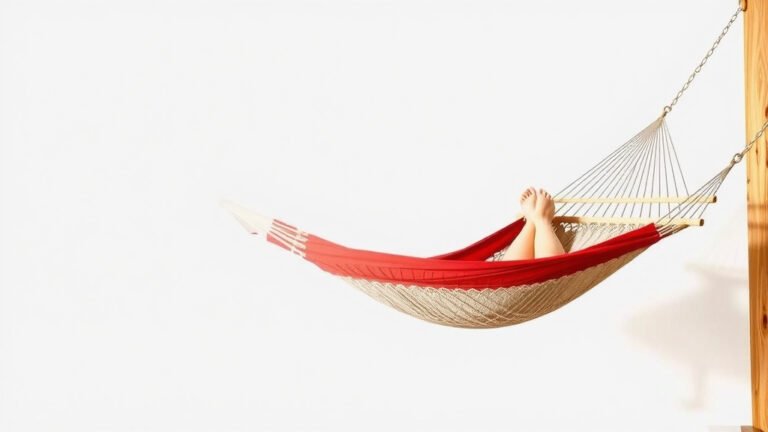
When you first get into a hammock, it’s designed to sag. This natural curve is what cradles you. However, too much sag can create a tight, U-shaped feeling. This forces your body into a banana shape. It puts pressure on your hips and shoulders. It also misaligns your spine. That’s the opposite of comfortable sleep, right?
Finding Your Perfect Hang Angle
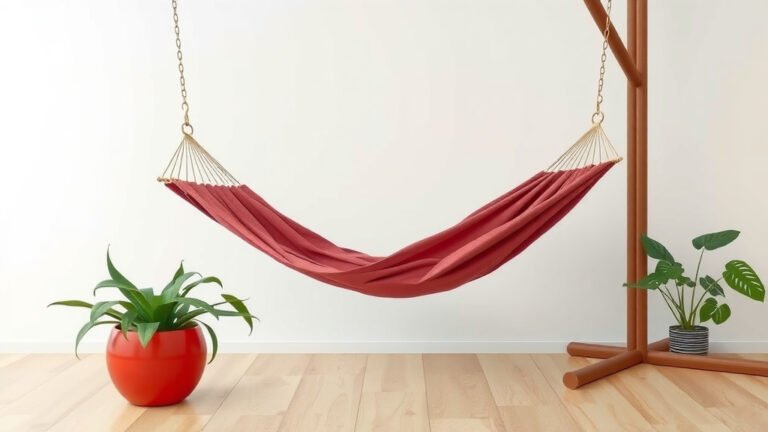
The sweet spot for hammock sleeping is a hang angle of about 30 degrees. Think of it like a gentle smile, not a grimace. This angle allows the hammock to lay flatter under your body. It distributes your weight more evenly. You won’t feel like you’re sinking too deep.
How to Achieve the 30-Degree Angle
This angle is determined by two things: the distance between your anchor points and the length of your suspension straps. For most 10-foot hammocks, a good rule of thumb is to set your anchor points about 15 feet apart. You want the suspension straps to create that gentle slope. If your anchors are too close, your hammock will be too taut. If they’re too far apart, you’ll sag too much. Experimentation is key here!
The Diagonal Lay: Your New Best Friend
This is the game-changer we mentioned. Forget lying straight down the middle like you would in a bed. Instead, lie across the hammock on an angle. Picture yourself at about a 45-degree angle to the hammock’s length. Your body will be more perpendicular to the ridgeline. This makes the fabric spread out underneath you. It creates a much wider, flatter surface.
Why the Diagonal Lay Works Wonders
When you lay diagonally, the hammock fabric stretches outwards. This stops it from wrapping tightly around your sides. It’s like opening up a book instead of closing it. You’ll find your hips and shoulders aren’t being squeezed. Your back will feel more natural and supported. Many hammock campers swear by this technique for overnight comfort.
Prepping Your Hammock for Sleep
Once you’ve got your hang angle dialed in and you’re ready to practice the diagonal lay, there are a few more things you can do. These small adjustments can make a big difference in your sleep quality.
The Importance of Suspension
Your suspension system connects your hammock to the trees or posts. Many hammocks come with basic rope. While it works, it can be tough on trees. We found that using webbing straps or whoopie slings offers better adjustability. These systems make it easier to fine-tune your hang angle. They also help protect the trees you’re hanging from.
Using a Sleeping Pad
Even with the perfect hang, you might want a little extra cushioning. A sleeping pad can add significant comfort. It also adds insulation, which is important for cooler nights. You can place it inside your hammock. Some people use a closed-cell foam pad. Others prefer a more compact inflatable pad. We found that a pad about 20 inches wide fits well diagonally.
Consider Your Temperature Needs
Hammocks can be surprisingly cool, especially in breezy conditions. If you plan on sleeping out overnight, think about insulation. An underquilt is a popular solution for hammock sleepers. It’s a quilt that hangs underneath your hammock. It traps warm air and prevents heat loss. Many guidelines suggest using an underquilt when temperatures drop below 60°F (Mayo Clinic).
Essential Accessories for Overnight Hammock Camping
If you’re planning a trip where you’ll be sleeping in your hammock, a few accessories can turn a good night’s sleep into an amazing one. Don’t let the bugs or the weather ruin your experience!
Bug Protection is Key
Mosquitoes and other biting insects can be a real nuisance. A bug net is a must-have for comfortable sleeping in many environments. Most bug nets zip around your hammock. They keep creepy crawlies out while allowing fresh air in. We found that integrated nets on some hammocks are very convenient.
Stay Dry with a Tarp
Rain can happen! A hammock tarp, also called a rain fly, is essential for staying dry. Tarps come in various shapes and sizes. They create a roof over your hammock. Look for a tarp that’s large enough to cover your hammock and provide some extra space. This keeps you and your gear protected from the elements. Many experts recommend a hex or catenary cut tarp for good coverage and setup options (CDC).
Testing Your Setup Before a Big Trip
Before you head out for a multi-night adventure, do a test run. Spend a night in your hammock in your backyard or living room. This allows you to make adjustments. You can get a feel for the comfort. You’ll learn what works and what doesn’t without the pressure of a wilderness trip. It’s better to discover a tweak is needed in a controlled environment.
A Quick Checklist for Comfort:
- Ensure anchor points are about 15 feet apart.
- Aim for a 30-degree sag angle.
- Lay diagonally across the hammock.
- Add a sleeping pad for support and warmth.
- Set up a bug net for insect protection.
- Deploy a tarp for rain cover.

Conclusion
You’ve learned the secrets to truly comfortable hammock sleeping! It’s not about fighting the hammock’s natural sag, but working with it. By hanging your hammock at a gentle 30-degree angle and mastering the diagonal lay, you create a flat, supportive surface. Adding a sleeping pad and considering accessories like bug nets and tarps can elevate your experience even further. Now, you’re ready to transform your hammock into your favorite place to rest. So, go ahead and set it up for your next adventure!
Frequently Asked Questions
How do I know if my hammock is too tight or too loose?
A hammock that’s too tight will feel like it’s pulling up around your sides. You’ll feel a strong “U” shape. A hammock that’s too loose will sag excessively, making it hard to get out of. You should be able to sit in it and have the bottom feel somewhat flat before you fully recline.
Can I really sleep all night in a hammock?
Yes, absolutely! Many people find hammock sleeping more comfortable than a traditional bed once they get the hang angle right. It offers excellent back support and can feel like you’re sleeping on a cloud. Just remember to practice and find your perfect setup.
What’s the best way to set up a hammock between two trees?
Aim to have your anchor points about 15 feet apart for a standard 10-foot hammock. Use suspension straps or ropes that allow you to adjust the tension. You want a gentle curve, not a straight line or a deep sag. Experiment to find what feels best for your body.
Will I get cold sleeping in a hammock?
Hammocks can be cooler than beds because air circulates freely around you. If you’re sleeping when it’s below 60°F, you’ll likely need extra insulation. An underquilt is the most effective solution for trapping body heat and keeping you warm.
Are hammocks safe for my back?
When set up correctly, hammocks can be very good for your back. The key is to achieve a flatter sleeping surface by hanging the hammock at an angle and lying diagonally. This promotes good spinal alignment and avoids pressure points.