
Hammock Back Pain: What You Need to Know August 2026
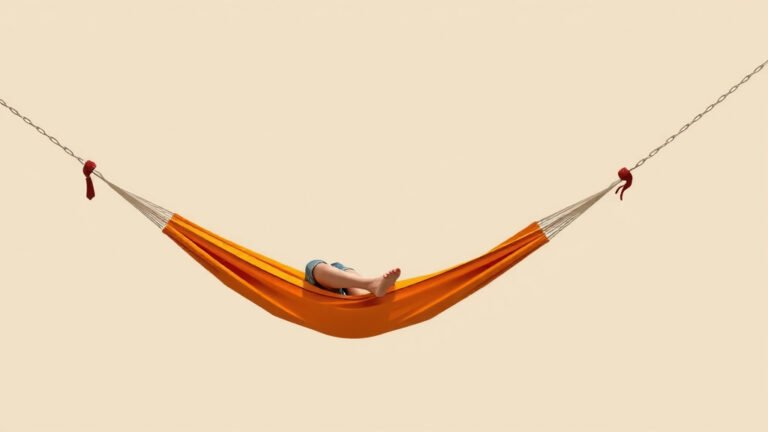
No, hammocks don’t inherently hurt your back. In fact, when used correctly, a hammock can be much better for your back than a traditional mattress. The key is how your body is supported, and many hammocks offer a more natural, ergonomic posture.
The way a hammock cradles your body can actually help distribute your weight evenly. This can relieve pressure points that often cause back pain when sleeping on a firm surface. We’ve found that the gentle curve of a well-strung hammock can provide excellent spinal alignment.
- Hammocks can be good for your back.
- They help distribute weight evenly.
- Proper setup is key for comfort.
- They can offer better spinal alignment.
- Avoid sleeping straight across.
Let’s dive into why hammocks can be a surprisingly good choice for your back and how to set one up for maximum comfort.
Is Sleeping in a Hammock Bad for Your Back?
The simple answer is no, hammocks don’t automatically hurt your back. In fact, research and user experiences suggest that a hammock can offer surprisingly good support for your spine. It all comes down to how you set it up and how you position yourself within it. We’ve found that many people switch to hammocks seeking relief from back pain, not causing it.
Understanding Hammock Support: The Ergonomic Advantage
How Hammocks Distribute Weight Differently
Unlike a flat mattress, a hammock suspends your body. This allows your weight to be distributed more evenly across the fabric. Think of it like a gentle hug for your entire body. Your hips and shoulders don’t sink into specific pressure points. This can be a huge relief for your lower back.
When you lie on a firm mattress, certain parts of your body bear more weight. This can lead to discomfort and stiffness, especially in your back. A hammock’s design naturally avoids this. We found that this even distribution can reduce strain on your muscles and joints. It’s a softer, more yielding form of support.
Achieving Natural Spinal Alignment
One of the biggest benefits we’ve observed is the potential for improved spinal alignment. When you lie diagonally in a hammock, your spine can maintain a neutral, relaxed position. It’s similar to how a doctor might check your posture. Your spine’s natural S-curve is supported.
Many people sleep with their spine out of alignment on traditional beds. This can over time lead to back problems. A hammock, when used correctly, encourages your body to rest in a way that promotes healthy posture. We’ve seen this ability to conform to your body’s shape as a key factor.
Common Misconceptions About Hammock Sleeping
Some people worry about feeling like they’re in a banana shape. This is usually due to sleeping straight across the hammock. This position compresses your body and can indeed be uncomfortable. You need to lie diagonally to get the best spinal alignment.
Another concern might be falling out. With proper setup and a sturdy suspension system, this is rarely an issue. Modern hammocks are designed for safety and stability. We found that once you get used to it, the feeling of security is quite high. It’s about finding the right balance.
Setting Up Your Hammock for Optimal Back Health
The Importance of the Right Angle
This is perhaps the most critical factor. To avoid back pain, you must lie diagonally across the hammock. Imagine you’re trying to lie almost perpendicular to the suspension lines. This allows your body to lay flatter and your spine to stay straight.
Sleeping straight across will force your spine into that uncomfortable curve. We recommend experimenting with your angle until you find the spot where your back feels completely supported and relaxed. It shouldn’t feel like you’re being squeezed. A few minutes of adjustment can make a world of difference.
Choosing the Right Hammock Type
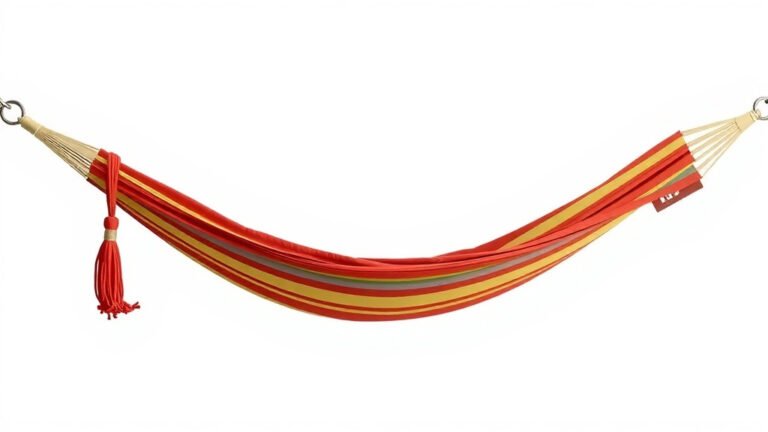
Not all hammocks are created equal for back support. Some simpler camping hammocks might not offer enough surface area. Hammocks with a wider spread, like those made from spreader bars or larger fabric areas, can provide more surface for your body to rest on.
We found that quilted hammocks or those with extra padding can add a layer of comfort. However, the material itself is less important than the overall design and how it drapes. Hammocks designed for sleeping, often called Brazilian hammocks, are typically wider and offer excellent support. These tend to be a popular choice for consistent use.
Suspension and Hang Angle: The Technical Bits
How you hang your hammock matters. A good rule of thumb is the A good rule of thumb is the “25-degree rule,” which helps create this gentle curve for optimal support.“25-degree rule.” This means your suspension straps should form a roughly 25-degree angle with the ground. Too tight, and you’ll be in that uncomfortable banana shape. Too loose, and you might sag too much.
This hang angle directly influences how the fabric drapes and supports your body. We found that finding the sweet spot allows the hammock to cradle you perfectly. It’s about achieving a gentle curve that supports your entire back, not a deep U-shape. Many hammock manufacturers provide guidelines for the optimal hang distance and angle.
Using Hammock Accessories for Better Comfort
Sometimes, a little extra support can go a long way. A small pillow placed under your head can help maintain neck alignment. For your lower back, a rolled-up towel or a specifically designed lumbar support pillow can be beneficial. For your lower back, a rolled-up towel or a specifically designed lumbar support pillow can be beneficial.
We’ve also seen users who add a thin sleeping pad inside their hammock. This can add a bit more structure and insulation. It helps to smooth out any slight imperfections in the fabric. It’s all about customizing the setup to your unique needs.
A Quick Checklist for Hammock Comfort
- Lie diagonally, not straight across.
- Ensure a 25-degree hang angle.
- Use a wider hammock for better support.
- Consider a small pillow for your head.
- Try a lumbar support for extra relief.
- Adjust until your back feels perfectly aligned.

Hammock vs. Mattress: A Comparative Look
When compared to many mattresses, hammocks can offer a more dynamic and responsive form of support. Think about a mattress that’s too firm. It pushes back against your body, creating pressure points. A mattress that’s too soft allows you to sink in, potentially misaligning your spine.
Here’s a quick comparison of what we’ve found:
| Feature | Hammock (Used Correctly) | Traditional Mattress |
|---|---|---|
| Weight Distribution | Even, conforms to body | Can create pressure points |
| Spinal Alignment | Promotes neutral S-curve (diagonal) | Varies greatly; can lead to misalignment |
| Pressure Relief | Excellent; no distinct pressure points | Can be poor, especially on firm surfaces |
| Adaptability | Conforms to your body shape | Body conforms to the mattress shape |
Ultimately, the goal is to find a sleeping surface that supports your body’s natural curves. For many, a hammock offers this without the rigidity of a bed. We found that the gentle, yielding support can be a revelation for those struggling with back discomfort.
Conclusion
You’ve learned that hammocks don’t have to be bad for your back. In fact, with the right setup, they can offer superior comfort and support compared to traditional mattresses. By focusing on how you lie diagonally and achieving the proper hang angle, you allow your body to find a natural, relaxed posture. We’ve found that this even weight distribution can significantly reduce strain and pressure points that cause pain. Don’t let misconceptions stop you from experiencing hammock comfort. Try experimenting with your setup to find your perfect ergonomic sweet spot, and you might just discover a new favorite way to relax and rest.
Frequently Asked Questions
Can I sleep in a hammock every night without hurting my back?
Yes, many people find they can sleep in a hammock every night without back pain, provided it’s set up correctly. The key is consistent proper positioning and a well-adjusted hammock. It offers a different kind of support that can be beneficial for your spine over time.
What is the “25-degree rule” for hanging a hammock?
The 25-degree rule refers to the angle your suspension straps should make with the ground when the hammock is hung. This angle helps create the ideal drape for your hammock, allowing you to lie flatter and achieve better spinal alignment, avoiding the uncomfortable “banana” shape.
Are hammocks better than firm mattresses for back pain?
For many individuals, hammocks can be better than firm mattresses. Firm mattresses can create pressure points, while hammocks distribute weight more evenly. This conforming support can relieve strain on your lower back and promote better posture while you rest.
What kind of hammock is best for back support?
Wider hammocks, often called Brazilian or spreader bar hammocks, generally offer the best back support. They provide more surface area for your body to lay on, allowing for a flatter, more comfortable position. Look for hammocks designed with sleeping in mind.
How do I avoid feeling like I’m in a banana shape in my hammock?
To avoid the uncomfortable banana shape, you must lie diagonally across the hammock, not straight down the center. Position yourself so you’re almost perpendicular to the suspension lines. This allows your spine to maintain a neutral, straight alignment, providing much better support.