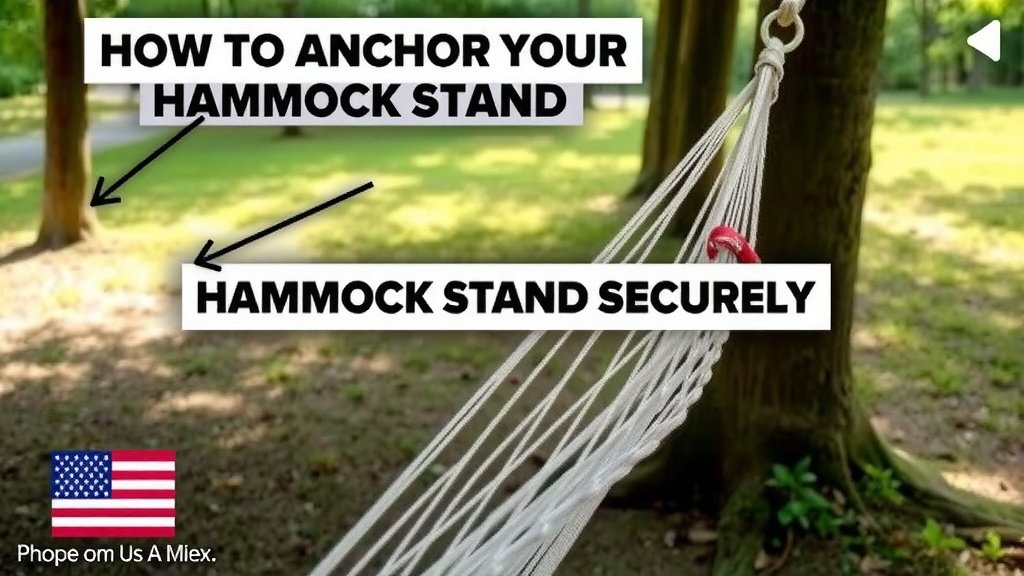
How to Anchor Your Hammock Stand Securely
Yes, you can absolutely anchor your hammock stand to keep it stable and safe for swinging. Anchoring ensures your stand won’t tip over. It’s a smart step for enjoying your hammock. We found that anchoring is key for both peace of mind and preventing accidents.
A wobbly hammock stand can be a real bummer. Anchoring it properly makes a huge difference. It transforms your hammock setup from potentially precarious to wonderfully secure. Many people think it’s difficult, but we found it’s quite straightforward once you know how.
- Know your stand’s weight capacity.
- Check the ground type.
- Gather your anchoring tools.
- Follow the anchor instructions carefully.
- Test for stability before use.
Ready to make your hammock rock-solid? Let’s walk through exactly how to anchor your hammock stand step by step.
Making Your Hammock Stand Secure
Anchoring your hammock stand adds a crucial layer of safety. It prevents unexpected shifts and tip-overs. This is especially important if you have kids or pets. We found that a properly anchored stand gives you true peace of mind. You can relax without worrying about stability.
Assessing Your Hammock Stand Needs
Before you start anchoring, let’s think about what you need. Different stands and situations call for different anchoring methods. It’s not a one-size-fits-all scenario.
Understanding Your Hammock Stand Type
Most hammock stands are designed to be freestanding. They rely on their own weight and structure for stability. However, some are lighter and might need extra help. You might have a portable metal frame or a sturdier wooden one. Knowing your stand’s design and weight is your first step.
Considering Your Anchoring Location
Where you plan to set up your hammock is key. Will it be on soft grass, hard-packed dirt, or a wooden deck? Each surface presents unique challenges for anchoring. We’ve found that softer ground is generally easier to anchor into than hard surfaces.
Ground Type Matters
For soft ground like grass or soil, stakes or augers work well. They can penetrate the earth for a firm grip. Hard surfaces like concrete or decks require different approaches. You might need to drill holes or use specialized fasteners. Researching your specific ground type will guide your anchoring choices.
Choosing the Right Anchoring Method
The best anchoring method depends on your stand, your location, and how permanent you want the setup to be. We found that most people opt for methods that are effective but still allow for easy removal if needed.
Stake Anchoring
This is a common method for soft ground. You’ll use heavy-duty stakes, often made of metal or strong plastic. These stakes are driven into the ground through or around the base of your hammock stand. They provide a secure point of contact. We recommend checking that the stakes are long enough to get good purchase in the soil. For windier areas, longer stakes offer better resistance (University of Missouri Extension).
Auger Anchoring
Similar to stakes, augers screw into the ground. They look like large screws with handles. You twist them into the earth until they are deeply embedded. This method offers excellent stability, especially in looser soil. It’s like giving your stand its own personal anchor point.
Weight Bag Anchoring
If you can’t or don’t want to stake into the ground, weight bags are a good option. You fill heavy-duty bags with sand or gravel and place them on the base of your hammock stand. This adds significant weight to keep it grounded. Ensure the bags are securely positioned so they don’t shift. They work best on flat, stable surfaces.
Deck or Patio Anchoring
For wooden decks or concrete patios, you might need to drill. You can use specialized anchors that screw into the wood or concrete. U-bolts can also secure the legs to existing structures. If you’re renting, check with your landlord before drilling holes. We found that many homeowners prefer non-permanent solutions when possible.
Gathering Your Anchoring Supplies
Once you’ve decided on a method, it’s time to gather what you need. Having everything ready makes the process much smoother.
Essential Anchoring Tools
The specific tools depend on your chosen method. For stakes, you’ll likely need a mallet or hammer. For augers, the handle usually suffices. If you’re drilling, you’ll need a drill and the appropriate drill bits. For weight bags, ensure you have a filling material like sand or gravel.
Choosing Your Anchors
Purchase anchors suitable for your ground type and stand. Look for sturdy, weather-resistant materials. For stakes, consider lengths of 12 inches or more for better grip. Weight bags should be made of durable fabric. We found that investing in good quality anchors prevents future headaches.
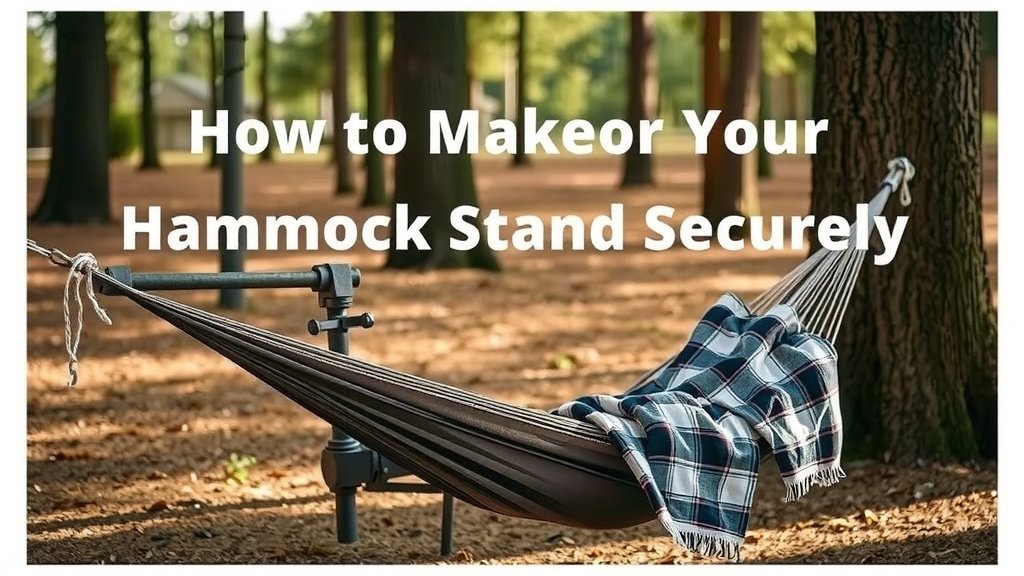
Step-by-Step Anchoring Guide
Now, let’s get down to business. Anchoring your stand is usually a straightforward process.
Prepare the Anchoring Site
Clear the area around where your hammock stand will sit. Remove any rocks, debris, or uneven patches of ground. This ensures the stand legs are level and the anchors can be installed correctly. A stable base makes everything else easier.
Position Your Hammock Stand
Place the hammock stand in its intended spot. Ensure it’s level and the legs are firmly on the ground. Now is the time to make any final adjustments to its position before you start anchoring.
Install Your Chosen Anchors
Follow the specific instructions for your chosen anchoring method. If using stakes, drive them through the designated loops or around the legs. If using augers, screw them deep into the ground. If using weight bags, place them securely on the stand’s base. Many experts suggest installing anchors at a slight angle away from the stand for maximum resistance (Texas A&M AgriLife Extension).
Connect Anchors to the Stand
Most anchoring systems will have straps or cables to connect the anchors to the stand. Make sure these connections are tight and secure. Double-check that there’s no slack that could allow movement.
Test for Stability
This is the most important final step. Gently push and pull on the hammock stand from various directions. Try to rock it. It should feel solid and not budge. You can also have someone carefully sit in the hammock while you observe the stand’s stability. We found that a thorough stability check is the best way to ensure safety.
Final Checklist Before Enjoying Your Hammock
- Confirm all anchor points are secure.
- Ensure anchor straps or cables are taut.
- Gently test the stand for any wobble.
- Check the ground around anchors for shifting.
- Have a trusted friend test the hammock with you.
Conclusion
You’ve learned that anchoring your hammock stand is a straightforward process. It adds essential stability and safety to your relaxation spot. Whether you choose stakes, augers, weight bags, or deck anchors, the key is to secure the stand firmly to the ground. We found that taking the time to properly anchor your stand prevents tipping and ensures worry-free hammock time. Your next step is simple: gather your supplies and anchor your stand so you can start enjoying your hammock with complete peace of mind.
Frequently Asked Questions
How do I know if my hammock stand needs anchoring?
If your hammock stand feels wobbly or tips easily, it definitely needs anchoring. Stands that are lightweight, used on uneven surfaces, or in windy areas are also good candidates for anchoring. You can test stability by gently pushing on the stand from different angles.
Can I anchor a hammock stand on a concrete patio?
Yes, you can anchor a hammock stand on concrete. You’ll likely need to use specialized concrete anchors that screw or expand into the surface, or secure the legs with U-bolts to heavy objects. Ensure the anchors are rated for outdoor use and can withstand the weight and movement of the hammock.
What is the best anchoring method for sandy soil?
For sandy or loose soil, auger anchors are often the most effective. Their screw-like design penetrates deeper and provides a better grip than standard stakes. If using stakes, opt for longer, wider ones and consider angling them slightly away from the stand for increased resistance.
Do I need to anchor my hammock stand if it’s heavy?
Even heavy hammock stands can benefit from anchoring, especially if they are in areas prone to wind or if you have active children or pets. While weight provides some stability, anchoring offers a more robust and reliable safety measure against tipping.
How often should I check my hammock stand anchors?
It’s a good practice to check your anchors periodically, especially after periods of heavy use or strong weather. Inspect the anchors themselves, the ground around them for shifting, and the straps or cables connecting them to the stand to ensure everything remains taut and secure.