
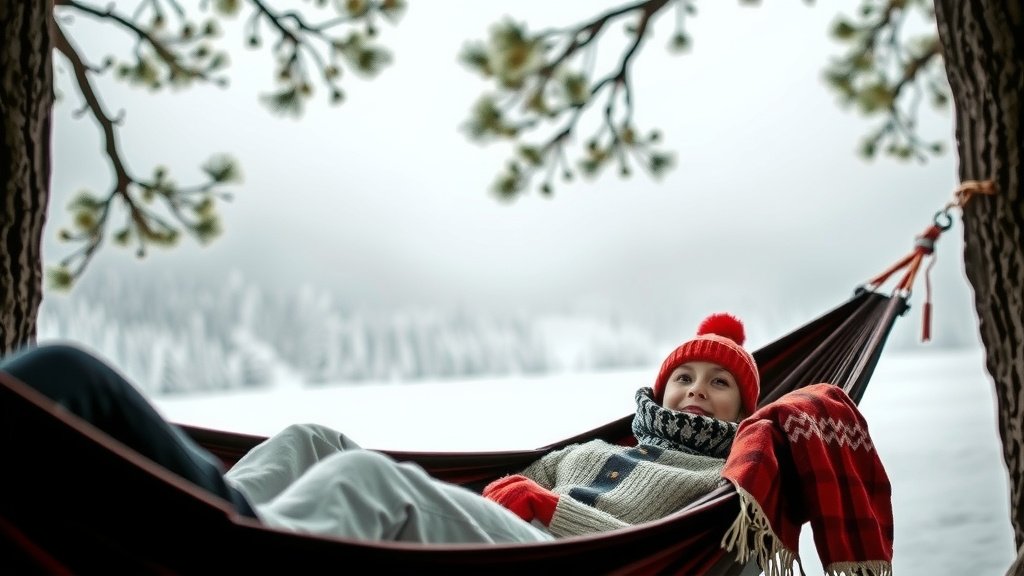
Stay Warm in a Hammock: Essential Tips
Staying warm in a hammock is totally doable! The key is to insulate yourself from the cold air below and to trap your body heat effectively. Think of it like creating your own cozy little cocoon.
Many people think hammocks are only for summer, but with the right gear, you can enjoy them year-round. It’s all about layering and choosing materials that work best for cooler temperatures. We’ve found that a few key adjustments make all the difference for a comfortable cold-weather hang.
- Insulate from below to stop heat loss.
- Use a sleeping bag designed for cold.
- Add extra blankets for warmth.
- Wear warm layers like wool or fleece.
- Consider a hammock underquilt.
Let’s get you set up so you can enjoy your hammock even when the temperature drops. We’ll walk through exactly how to layer up and choose the best gear for staying toasty.
Staying Cozy: Your Guide to Hammock Warmth
Many people think hammocks are just for sunny summer days. But with a few smart choices, you can enjoy your hammock well into the cooler months. The secret is to fight off the chill from below and keep your own body heat locked in. We’ve found that layering and using the right gear makes all the difference for a truly comfortable cold-weather hang.
Understanding Heat Loss in a Hammock
Your body generates heat, but a hammock can let that heat escape easily. This is especially true from underneath you. When you lie in a hammock, your body compresses the insulation inside your sleeping bag. This compression squishes the insulating air pockets. The cold air then passes right through. This is often called the “cold butt syndrome.” It’s a common challenge for hammock campers.
The Science of Heat Transfer
Heat naturally moves from warmer areas to cooler areas. In a hammock, the cool air around you and below you pulls heat away from your body. Without proper insulation, this heat loss can be quite rapid. Think of it like sitting on a cold park bench without a cushion. You’d feel that chill pretty quickly, right? Your hammock works similarly.
Why a Tent is Different
A tent offers a bit more protection. The floor of a tent usually has some padding or a thick sleeping pad. This pad provides a barrier between you and the cold ground. It also traps a layer of air. Hammocks don’t typically have this built-in floor insulation. You need to add it yourself. This is where specific hammock gear comes into play.
Essential Gear for Warm Hammocking
Getting warm in your hammock involves a few key pieces of equipment. We found that focusing on insulation from underneath is the most important step. After that, you want to trap the heat your body creates. It’s all about building your personal microclimate within the hammock.
Insulating from Below: The Underquilt
This is perhaps the most critical piece of gear for cold-weather hammocking. An underquilt hangs on the outside of your hammock. It dangles beneath you and creates a lofty, continuous blanket of insulation. It doesn’t get compressed by your weight. This means it can effectively trap warm air and stop that direct heat loss. Many experts say an underquilt is non-negotiable for comfort below 50°F (10°C) (REI).
Underquilt Temperature Ratings
Underquilts come with temperature ratings. These ratings suggest how cold of a temperature they are designed for. Always choose an underquilt with a rating that is at least 10-15 degrees Fahrenheit lower than the coldest temperature you expect. This gives you a buffer. It ensures you stay comfortable even if conditions are a bit harsher than anticipated.
Types of Underquilts
You’ll find underquilts filled with down or synthetic materials. Down is lightweight and packs small. It offers excellent warmth for its weight. Synthetic insulation is more affordable and still insulates when wet. Consider your budget and typical camping conditions when choosing.
Your Sleeping Bag: A Key Component
While an underquilt insulates from below, your sleeping bag insulates from above. For cooler weather, you’ll need a sleeping bag designed for those temperatures. Look for sleeping bags with a lower temperature rating. A bag rated for 20°F (-7°C) or below is often a good choice for winter camping.
Using Your Sleeping Bag in a Hammock
You can place your sleeping bag directly inside the hammock. Lie down in it as you normally would. Make sure the hood is pulled up around your head. This helps prevent heat loss from your head and neck. You can also open a summer-weight bag and use it as a blanket, but this is less effective for true cold.
The “Double Bag” or “Top Quilt” Method
Some hammock campers use what’s called a “double bag” setup. This involves using two sleeping bags. The bottom bag might be a lighter one that you lie on top of, inside the hammock. The second, warmer bag goes over you. Another popular option is a top quilt. This is essentially a sleeping bag without a bottom. It’s designed to be used with an underquilt for maximum warmth and minimal weight. We found this method offers excellent warmth.
Extra Layers for Ultimate Warmth
Don’t underestimate the power of extra layers. Even with an underquilt and a good sleeping bag, adding more can make a big difference. These layers help trap more heat close to your body.
Base Layers
Start with a good base layer against your skin. Materials like merino wool or synthetic fabrics are excellent choices. They wick away moisture and provide initial warmth. Avoid cotton; it holds moisture and makes you feel colder when wet.
Mid and Outer Layers
Add a fleece jacket or a down vest as a mid-layer. You can wear these inside your sleeping bag for extra warmth. A warm hat is also a must. You lose a lot of heat through your head. Don’t forget warm socks and gloves, even if you’re just lounging.
Blankets and Throws
Consider bringing an extra wool blanket or a thick fleece throw. You can tuck this around you inside the hammock. It adds another barrier against the cold air. It’s a simple way to boost your warmth significantly.
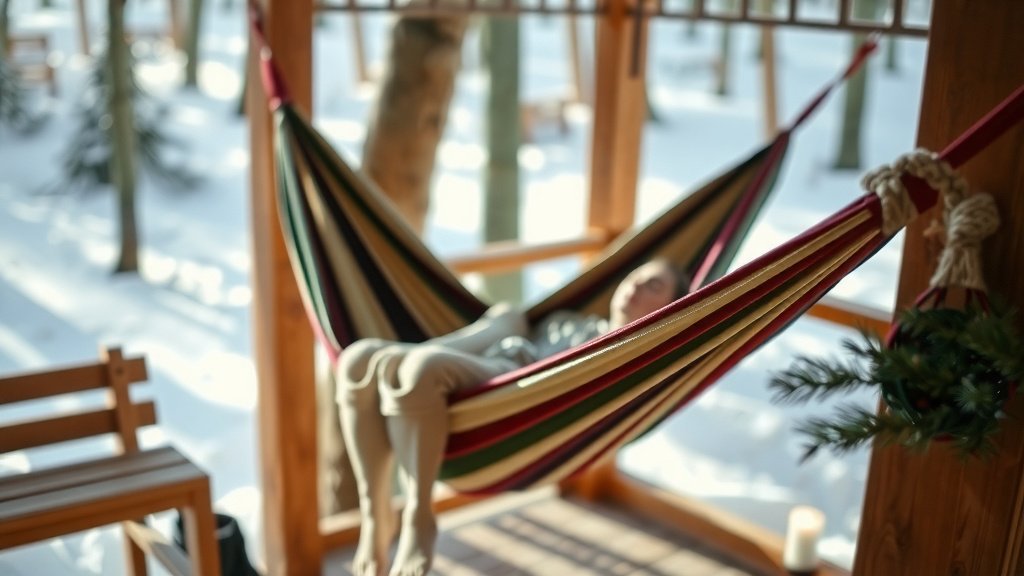
Checking Your Hammock Setup
Before you head out, it’s wise to test your setup. This lets you find out what works best for you. It also helps you identify any potential weak spots in your insulation. You don’t want to discover a problem in the middle of a cold night.
Test Run Recommendations
Try your hammock in your backyard or a park on a cool evening. This allows you to feel how warm you are. You can adjust your layers or add more insulation if needed. Pay attention to any areas where you feel a draft or a cold spot. These are the areas you need to address.
Common Cold Spots and Solutions
Often, the coldest spots are around your head, feet, or the sides of your body where the hammock might not be fully sealed. A good hat and warm socks tackle the head and feet. For the sides, ensure your underquilt is properly adjusted. Make sure there are no gaps. Sometimes, a small, packable inflatable pad can be placed inside your sleeping bag for added insulation. This can be a game-changer for many campers (Backpacker Magazine).
Quick Checklist for Warm Hammocking
Here’s a quick rundown to ensure you’re prepared:
- Underquilt: Ensure it’s rated for the temperatures you expect.
- Sleeping Bag: Choose one with a low-temperature rating.
- Base Layers: Wear moisture-wicking materials like wool or synthetics.
- Warm Accessories: Pack a hat, gloves, and warm socks.
- Extra Blanket: A wool or fleece throw adds extra cozy warmth.
- Test Your Gear: Do a practice hang before your main trip.
Conclusion
Staying warm in your hammock is absolutely achievable with the right approach. You’ve learned that the core strategy is to block heat loss from below and trap your body’s natural warmth. An underquilt is your best friend for this, creating a cozy barrier against the cold. Combined with a properly rated sleeping bag and smart layering, you can extend your hammock adventures into cooler seasons. Don’t forget to test your setup before you head out. Now you’re ready to enjoy those chilly nights in comfort. Go hang and stay toasty!
Frequently Asked Questions
How cold can a hammock get before it’s unsafe?
Hammocks themselves don’t have a specific safety temperature limit. Your safety depends entirely on your gear and preparation. With the right insulation, you can comfortably sleep in a hammock in sub-freezing temperatures. Without it, even cool autumn nights can become uncomfortable quickly.
What’s the difference between an underquilt and a sleeping pad in a hammock?
A sleeping pad gets compressed by your body weight inside the hammock, losing its insulating ability. An underquilt hangs *below* the hammock, so your weight doesn’t compress its loft. This allows it to effectively trap warm air and provide continuous insulation.
Can I just use a bunch of blankets instead of an underquilt?
While extra blankets can help, they aren’t as effective as an underquilt for preventing heat loss from below. Blankets can shift and leave gaps where cold air can enter. An underquilt is designed to create a consistent, sealed layer of insulation around the outside of your hammock.
How do I keep my head and feet warm in a hammock?
Your head and feet lose heat quickly. Wearing a warm hat and thick wool socks is essential. Some people also use a small stuff sack filled with extra clothing to create a makeshift pillow, further insulating your head. Ensuring your sleeping bag’s hood is cinched tight also helps.
Is a top quilt better than a regular sleeping bag for hammocking?
Many hammock campers prefer a top quilt because it’s lighter and less restrictive than a traditional sleeping bag. Since an underquilt handles the insulation from below, a top quilt only needs to insulate from above. This design can offer superior warmth and comfort for hammocking, especially in colder weather.