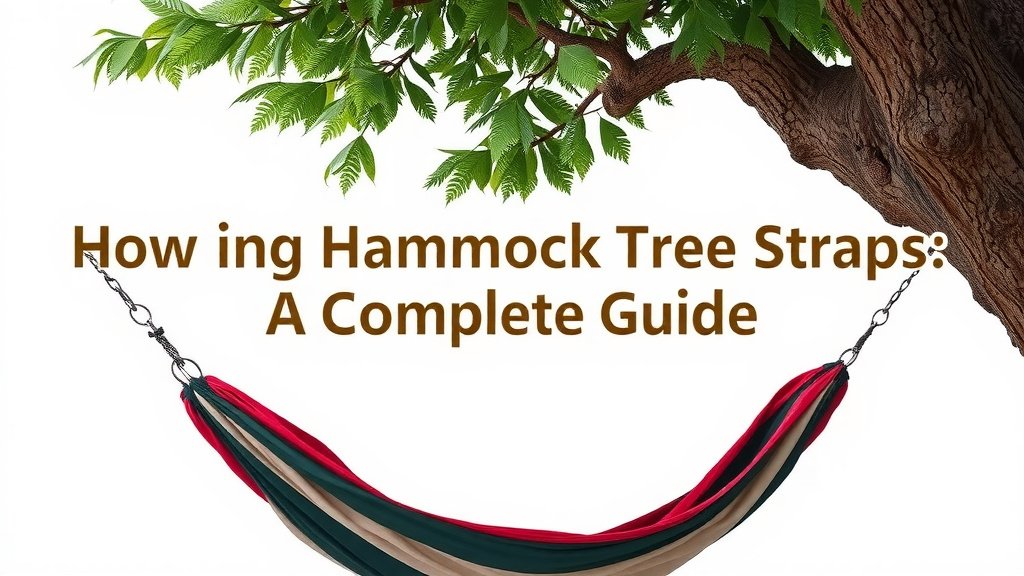
Choosing Hammock Tree Straps: A Complete Guide
Choosing the right hammock tree straps is all about balancing durability and tree health. Look for straps made from strong, weather-resistant materials like polyester or nylon. Ensure they have a high weight capacity and are wide enough to distribute pressure, protecting your beloved trees from damage. Finding the perfect pair means more secure hangouts and happier trees.
When setting up your hammock, the straps are your main connection to nature. We’ve found that the best straps are designed to be gentle on bark while being tough enough to hold your weight. Consider the length and adjustability, too. This makes setting up your hammock a breeze, no matter the tree size.
- Look for strong, weather-resistant materials.
- Check the weight capacity and strap width.
- Prioritize tree-friendly designs.
- Consider strap length and adjustability.
Ready to hang out? Below, we’ll walk you through exactly what to look for when selecting your hammock tree straps, making your next outdoor relaxation session a safe and comfortable one.
Picking the Right Hammock Tree Straps for You
Choosing hammock tree straps might seem simple, but there’s more to it than meets the eye. You want straps that are strong, safe for trees, and easy to use. We’ve researched the key factors to help you make the best choice for your outdoor relaxation. Getting this right means you can hang your hammock confidently and peacefully.
Understanding What Makes Good Tree Straps
The main job of tree straps is to hold your hammock securely without hurting the trees. Think of them as your hammock’s handshake with nature. The best straps distribute your weight evenly, preventing the material from digging into the bark. This is vital for the tree’s long-term health.
Material Matters: Durability and Strength
When you’re looking at tree straps, the material is a big deal. You’ll typically find straps made from polyester or nylon. Both are excellent choices, offering great strength and resistance to the elements. Polyester tends to be more UV resistant, meaning it holds up better against sun damage over time. Nylon, on the other hand, can be slightly more elastic, which might offer a bit of a gentler sway.
Polyester: The Sun-Worshipper’s Choice
Polyester is a workhorse. It doesn’t stretch much, which is good for keeping your hammock at a consistent height. Plus, it handles moisture well and doesn’t easily rot or get moldy. We found that polyester straps often come with a high weight rating, giving you peace of mind.
Nylon: The Flexible Friend
Nylon offers a bit more give. This slight stretch can absorb shock better. Imagine it like a shock absorber for your hammock. While it’s strong, it can degrade a bit faster under direct sunlight compared to polyester, so keep that in mind if your favorite hang spot is always sunny.
Width and Weight Capacity: The Load Bearers
These two features are non-negotiable for safety and tree health. You need straps that can handle your weight and then some. Most reputable straps list a weight capacity. Always opt for straps that far exceed the combined weight of you and any gear you might bring. Many experts suggest choosing straps with a capacity of at least 500 pounds, often much higher (CDC).
Strap Width: Spreading the Love
Wider straps are generally better for trees. We’ve found that straps that are 1 inch wide or more do a fantastic job of distributing pressure. A narrow strap can act like a cutting wire on a tree’s bark. This can damage the tree over time, making it vulnerable. So, when you see options, lean towards the wider ones for tree-friendly hanging.
Weight Capacity: How Much Can It Hold?
This is your safety net. Always check the manufacturer’s stated weight limit. A common standard for quality hammock straps is a capacity of 1000 pounds or more. This ensures they can handle significant stress, including dynamic movement when you get in or out of the hammock. Never guess; always look for the specified limit.
Length and Adjustability: Finding the Perfect Fit
The length of your straps determines how far apart you can hang your hammock. Adjustability makes setup much easier, especially when you encounter different-sized trees or want to fine-tune your hammock’s hang angle. You don’t want straps that are too short, forcing you to pick less-than-ideal hanging spots.
Choosing the Right Length
Most hammock straps come in lengths of 6 to 15 feet. For general use, 10-foot straps are a popular choice. They offer a good balance for most situations. If you frequently camp in areas with very large, mature trees, you might want to consider longer straps, perhaps 12 or 15 feet. It’s always better to have a little extra length you can manage than to be just a bit too short.
The Magic of Adjustability
Adjustable straps are a game-changer. They often use a system of loops, buckles, or webbing to let you easily change the length. This means you can get that perfect “smile” on your hammock without having to re-tie knots constantly. Many straps feature multiple loops, allowing for quick adjustments on the fly. This flexibility is wonderful for anyone who likes to move their hang location.
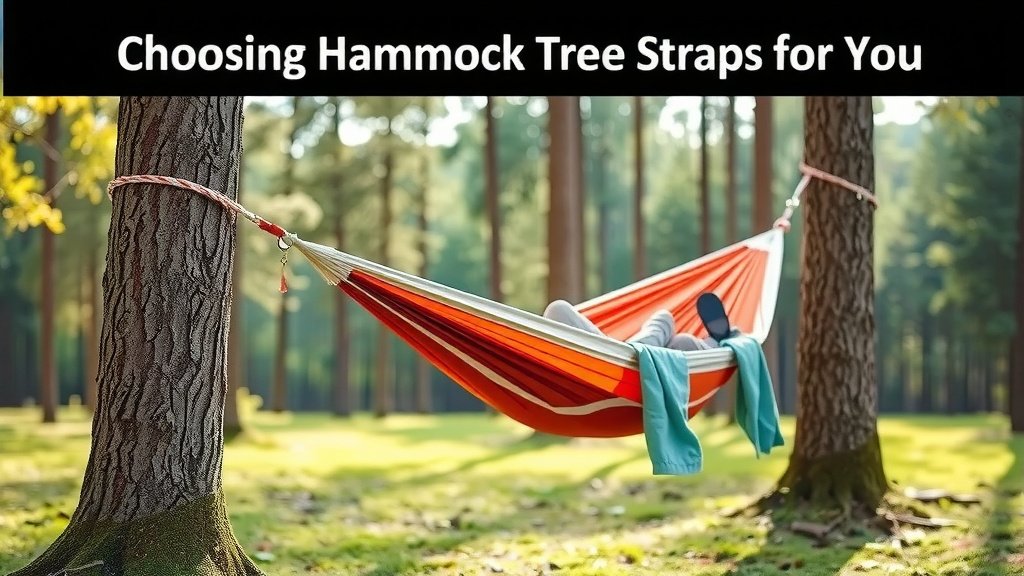
Tree-Friendly Features to Look For
Protecting the trees you hang from is a core part of responsible hammock camping. Many straps are designed with this in mind. Beyond just width, some have specific features that further guard the tree’s bark.
No-Girdling Designs
Some straps have a specific weave or construction that prevents them from “girdling” a tree. Girdling means a strap wraps so tightly it cuts off the tree’s nutrient flow. While less common with wide, soft straps, it’s a good concept to be aware of. Straps with smooth edges and a non-abrasive surface are best.
Protective Sleeves or Bands
Occasionally, you might see straps that come with an extra sleeve or band. This is an additional layer of protection for the bark. While not strictly necessary with high-quality, wide straps, it’s a nice touch for those who are extra concerned about tree health. Many state park systems and environmental groups recommend using wide straps to protect trees (National Park Service guidelines often suggest this).
Key Features Checklist for Your Hammock Straps
Ready to pick out your perfect pair? Here’s a quick rundown of what to keep an eye on:
- Material: Look for polyester or nylon.
- Strap Width: Aim for 1 inch or wider.
- Weight Capacity: Ensure it’s at least 500 lbs, ideally 1000+ lbs.
- Adjustability: Multi-loop systems make setup a breeze.
- Length: Consider your typical hanging spots (10-15 feet is common).
- Tree-Friendliness: Smooth edges and wide design are key.
Conclusion
You’ve learned what makes great hammock tree straps. Choosing the right pair means prioritizing strong, weather-resistant materials like polyester or nylon. Always check the weight capacity and ensure your straps are at least 1 inch wide to protect tree bark. Don’t forget to consider strap length and adjustability for the perfect hang. With these tips, you’re ready to select straps that offer both security for you and health for the trees.
Your next step? Browse options based on these key features. Happy hanging!
Frequently Asked Questions
How wide should hammock tree straps be?
We recommend choosing straps that are at least 1 inch wide. Wider straps distribute your weight more evenly across the tree’s bark. This significantly reduces the risk of damage and helps keep the tree healthy long-term.
What’s the difference between polyester and nylon straps?
Polyester offers excellent UV resistance and minimal stretch, keeping your hammock at a consistent height. Nylon provides a bit more elasticity, which can absorb shock better. Both are durable choices for hammock hanging.
Do I really need straps with a high weight capacity?
Yes, absolutely. Always opt for straps that have a weight capacity significantly higher than your expected load. Many quality straps are rated for 1000 pounds or more, ensuring safety even with dynamic movement.
Are adjustable straps always better than fixed-length ones?
Adjustable straps offer a huge advantage in setup flexibility. They allow you to easily fine-tune your hammock’s hang angle and length, especially when dealing with trees of different sizes. You can get that perfect sag without hassle.
How can I be sure my straps are truly “tree-friendly”?
Look for straps made from soft, wide webbing. Smooth edges are also important to avoid irritating the bark. While width is the primary factor, these details further ensure you’re not harming the trees you’re enjoying.