How to Secure Your Hammock Stand Outdoors
Securing your outdoor hammock stand is easier than you think. You can anchor it using ground stakes or by adding extra weight. This keeps your hammock safe and prevents it from tipping over in the wind or when you get in. This keeps your hammock safe and prevents it from tipping over in the wind or when you get in; understanding hammock weight capacity is crucial.
A wobbly hammock stand can ruin a perfectly good relaxation session. We’ve researched methods to ensure your stand stays put. Proper anchoring means you can truly unwind without worry about your hammock’s stability. It’s all about creating a safe and sturdy outdoor oasis for yourself.
- Use heavy-duty ground stakes for soft surfaces.
- Add weight like sandbags to the base for hard surfaces.
- Check the stand’s stability regularly.
- Choose a level spot for your hammock stand.
Let’s walk through the best ways to make sure your hammock stand is secure, so you can get back to enjoying your hammock.
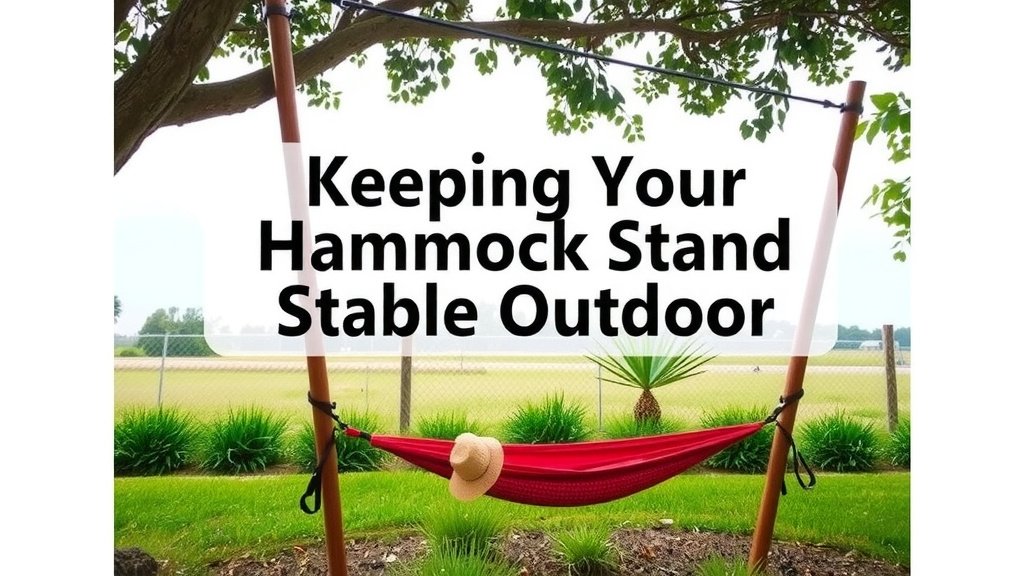
Keeping Your Hammock Stand Stable Outdoors
Securing your outdoor hammock stand is essential. It ensures a safe and enjoyable experience for everyone. A stable stand prevents accidents and keeps your relaxation zone in place. We’ll guide you through the best methods.
Choosing the Right Anchoring Method
Ground Stakes for Softer Surfaces
If your hammock stand is on grass, dirt, or sand, ground stakes are a fantastic option. These are sturdy metal or plastic rods driven into the ground. They act like tent stakes but are much larger and stronger. You’ll typically need four stakes, one for each leg of the stand. Or, you might use two stakes per leg for extra security. Make sure the stakes are long enough to go deep into the soil. This provides a firm grip. Many experts recommend stakes at least 12 inches long for good hold (Gardening Weekly).
How to Use Ground Stakes Effectively
First, position your hammock stand where you want it. Make sure the ground is relatively level. Then, drive one stake through each pre-drilled hole or loop on the hammock stand’s legs. You might need a rubber mallet or a small hammer. Drive the stakes in at a slight angle, away from the stand. This helps them resist pulling out. Ensure the stakes are buried deeply enough. You want them to be almost completely covered by soil. This adds to their strength and looks neater. Check that the stand no longer wiggles. It should feel solid and firmly attached to the ground.
Adding Weight for Hard Surfaces
What if your hammock stand sits on a patio, deck, or concrete? Driving stakes won’t work here. In these cases, adding extra weight to the base is the best solution. This anchors the stand by sheer mass. It prevents it from shifting or tipping over. You want to add weight strategically. It should be distributed evenly across the stand’s base. This keeps the weight balanced.
Weighting Options for Your Stand
Sandbags are a very popular and effective choice. You can buy them specifically for this purpose or use sturdy feed sacks. Fill them with sand or gravel. Place them over the legs of the hammock stand. Aim for at least 20-30 pounds per leg if possible. Another option is using concrete blocks or pavers. These are heavy and can be placed directly on the stand’s base. Ensure they don’t interfere with your comfort when you’re in the hammock. Water jugs filled with water can also work in a pinch. However, they might be less stable. We found that sandbags offer the best combination of weight, stability, and ease of use.
Securing Weights in Place
Just piling weights on might not be enough. The wind can sometimes shift lighter objects. You can use bungee cords or strong rope to tie down sandbags or weights. Secure them to the hammock stand’s frame. This creates a more secure connection. It prevents them from being blown away or knocked over. Always ensure the cords are taut and the weights are snug against the stand’s legs.
Pre-Installation Checks for Maximum Stability
Selecting the Perfect Spot
The location you choose is just as important as the anchoring method. Always pick a spot that is as level as possible. A sloped surface will naturally make your hammock stand unstable. It puts extra stress on one side. This can lead to wobbling and potential tipping. Walk around the area. Notice any dips or bumps. You might need to do a little ground preparation. Clearing away rocks or debris is also a good idea. This creates a safe and even foundation.
Checking Your Hammock Stand’s Condition
Before you even think about anchoring, inspect your hammock stand. Look for any signs of damage. Are there any loose bolts or screws? Is the metal bent or warped? A damaged stand will never be truly stable, no matter how well you secure it. Tighten all hardware according to the manufacturer’s instructions. Many stand manuals include a guide for this. If you find significant damage, it might be time to consider a replacement. Safety should always come first.
Ongoing Maintenance for Lasting Security
Regular Stability Checks
Your hammock stand isn’t a “set it and forget it” item. We recommend checking its stability every few weeks. Gently push and pull on the stand. Does it feel as solid as it did when you first anchored it? Are the stakes still firmly in the ground? Have the weights shifted? You might need to re-stake or readjust weights after heavy rain or strong winds. This simple habit ensures your stand remains safe over time.
Seasonal Adjustments
Weather can change throughout the year. In areas with freezing temperatures, the ground can expand and contract. This might loosen stakes. In very dry climates, the ground can become hard, making stakes easier to dislodge. Be prepared to adjust your anchoring method as seasons change. You might need to add more weight during windy autumn months. Or, perhaps re-secure stakes after winter thaws. Being mindful of these changes helps maintain your stand’s security.
Quick Checklist for a Secure Hammock Stand
- Choose a level spot for your hammock stand.
- Inspect the stand for any damage before anchoring.
- Use long, heavy-duty ground stakes for soft surfaces.
- Drive stakes at an angle for better grip.
- Add substantial weight (like sandbags) for hard surfaces.
- Tie down weights securely with ropes or cords.
- Perform regular stability checks (every few weeks).
Conclusion
You’ve learned how to keep your hammock stand safely anchored outdoors. Whether you’re using stakes on soft ground or adding weight to hard surfaces, stability is key. Remember to always pick a level spot and check your stand for damage first. Consistent checks and seasonal adjustments will ensure your hammock remains a secure spot for relaxation. Take these steps, and you can finally kick back and enjoy your worry-free outdoor escape. Your next nap awaits!
Frequently Asked Questions
How much weight do I need to add to my hammock stand?
We found that adding at least 20-30 pounds per leg is a good starting point. This amount usually provides enough stability for most standard hammock stands on hard surfaces. You can always add more if you feel it’s still not secure enough.
Can I use my hammock stand on uneven ground?
It’s best to avoid uneven ground if possible. A sloped surface can make your hammock stand unstable and put extra stress on one side. You may need to do some minor ground preparation to level the area before setting up your stand.
How often should I check my hammock stand’s security?
We recommend checking your stand’s stability every few weeks. It’s also a good idea to give it a quick look after strong winds or heavy rain. This simple check ensures that stakes haven’t loosened or weights haven’t shifted.
What’s the difference between stakes for grass and sand?
For sand, you’ll need longer and wider stakes. This is because sand is much looser than soil, so the stakes need more surface area to grip. Look for stakes specifically designed for sand if that’s your primary setup location.
Is it okay to leave my hammock stand anchored all year?
Yes, it’s generally fine to leave it anchored year-round. However, be mindful of seasonal changes. Ground can expand with frost or dry out, potentially loosening stakes. You might need to re-secure your stand after significant weather events or seasonal shifts.