
How to Level Your Hammock For Perfect Comfort
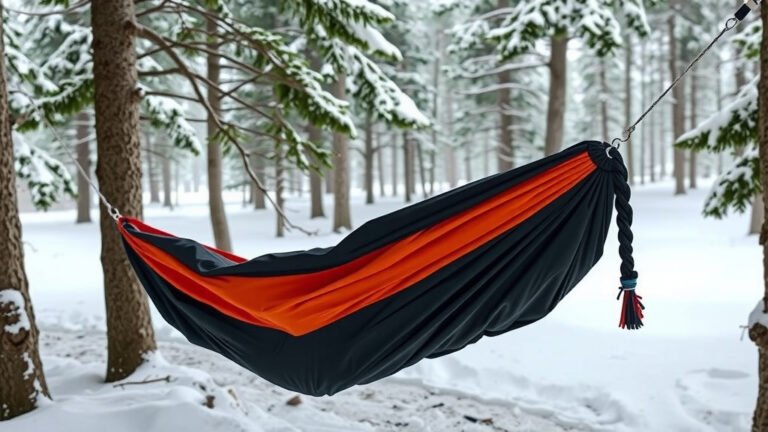
The easiest way to level a hammock is by adjusting the suspension points. You want your hammock to hang with a gentle, natural curve. This creates a comfortable lounging experience. Avoid a tight, flat hang or a deep, saggy pocket.
Getting your hammock level ensures you won’t slide around. It also distributes your weight evenly. Many people think this is complicated. Research shows that with a few simple steps, you can achieve perfect hammock comfort. It really makes a difference for relaxation.
- Adjust suspension points for a gentle curve.
- Avoid a too-tight or too-saggy hang.
- Even weight distribution means better comfort.
- A level hammock prevents sliding.
Ready to achieve peak hammock relaxation? Let’s walk through exactly how to get your hammock perfectly level, step by step.
Getting Your Hammock Hang Just Right
So, you’ve got a hammock, and you’re ready for some serious relaxation. But wait, is it hanging a bit wonky? A perfectly level hammock isn’t just about looks; it’s key to comfort and safety. We’re here to help you nail that perfect hang every single time.
Understanding the Ideal Hammock Curve
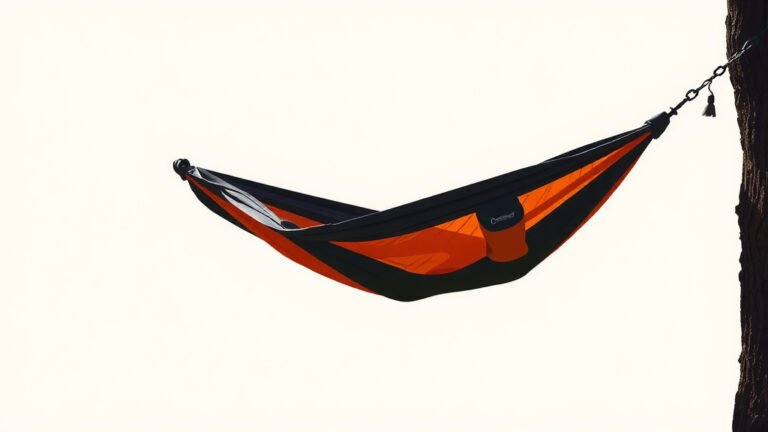
Think of your hammock like a comfortable smile. It shouldn’t be stretched taut like a guitar string, nor should it droop like a sad willow tree. The sweet spot is a gentle, natural curve. This curve helps distribute your weight evenly across the fabric.
Research from outdoor recreation experts suggests that this curve is essential for comfort. When the hammock is too tight, it pulls uncomfortably. If it’s too loose, you can slide around. We aim for that Goldilocks zone – just right.
The Importance of Suspension Points
Your hammock’s suspension points are the anchors that hold it up. These are typically straps or ropes attached to trees, posts, or a hammock stand. Adjusting the height and tension of these points is your primary tool for leveling.
The goal is to have both ends of the hammock at roughly the same height. This sounds simple, but small adjustments make a big difference. Even an inch can change the hang dramatically. We want you to feel perfectly cradled, not like you’re about to slide out.
Your Step-by-Step Guide to Hammock Leveling
Let’s get practical. Here’s how to achieve that ideal, comfortable hang. Grab your hammock and find your anchor points!
Step 1: Choose Your Anchor Points Wisely
First, select two sturdy anchor points. These could be trees, strong posts, or a dedicated hammock stand. Make sure they are at least 10-15 feet apart. Closer points can make it hard to get a good curve.
The height of your anchor points matters. For a standard hammock, we generally aim for anchor points that are about 6 feet off the ground. This height allows for the ideal sag. Of course, this can vary based on your hammock length and personal preference.
Step 2: Initial Hammock Setup
Attach your suspension system to the anchor points. Don’t worry about perfection yet. Just get it hung up. Make sure the straps or ropes are securely fastened. We want to avoid any unexpected landings!
As a general rule of thumb, many hammock manufacturers recommend a hang angle of about 30 degrees. This is the angle your suspension straps should form with the ground. You can eyeball this, or use a small inclinometer app on your phone if you’re feeling precise. We found this angle helps create the best curve.
Step 3: The Gentle Sag Test
Now, gently sit in your hammock. Feel how it supports you. Is one side lower than the other? Are you sliding forward? This is your cue to make adjustments.
The ideal sag is often described as a gentle U-shape. When you’re in it, your feet should be slightly elevated. You should be able to lie almost flat, but with a natural, comfortable curve supporting your back. Research suggests that lying at a slight angle across the hammock can also increase comfort significantly.
Step 4: Making Fine-Tuning Adjustments
This is where the magic happens. If one side is too low, raise its suspension point. If it’s too high, lower it. You’re looking for that balanced, level hang.
Small adjustments are key. Move the straps up or down by just a few inches at a time. Test the hang after each adjustment. You might find yourself going back and forth a bit. That’s totally normal! We want that perfectly balanced feel.
Understanding Hammock Length and Sag
Longer hammocks generally need a bit more sag. Shorter hammocks might require the anchor points to be closer together or higher up. It’s a bit of a balancing act. Hammock length can significantly impact how much sag you need for optimal comfort (REI).
The 25-Degree Rule (or Thereabouts)
Some experienced hammock campers suggest a rule of thumb: the suspension straps should hang down at about a 25-degree angle from horizontal. This creates a natural curve. While not a strict rule, it’s a great starting point. We found that aiming for this angle often leads to a comfortable hang.
Step 5: The Final Comfort Check
Once you think you’ve got it, lie back down. Shift your weight. Can you relax your shoulders? Is your head comfortably supported? Are you sliding at all? This is the moment of truth.
If you’re still not quite there, don’t get discouraged. Hammock hanging is a skill. Many outdoor enthusiasts report it takes a few tries to get it perfect. We found that once you nail it, you’ll remember what works for your setup.

Common Hammock Hanging Problems and Solutions
Even with the best intentions, you might run into a snag. Here are some common issues and how to fix them.
Problem: Too Much Sag / Hammock is Too Low
Why it happens: Anchor points are too close together, or the suspension is too loose. The hammock might be too long for the distance between your anchors.
The fix: Move your anchor points further apart, or shorten the suspension length. If using trees, try moving to slightly higher attachment points. We found that simply tightening the suspension straps often does the trick.
Problem: Not Enough Sag / Hammock is Too Tight
Why it happens: Anchor points are too far apart, or the suspension is too tight. You might be trying to hang a shorter hammock between widely spaced trees.
The fix: Move your anchor points closer together. Loosen the suspension straps. If your anchor points are fixed and far apart, consider using a longer hammock or a different set of anchor points. Many sources suggest this is better for your hammock fabric too, reducing stress.
Problem: Sliding Forward or Sideways
Why it happens: The hammock is likely too flat or the angle is wrong. This creates a “hammock slide.”
The fix: Increase the sag. You want that comfortable curve. Try lying at a slight diagonal across the hammock. This distributes weight better and helps you stay put. Experts often recommend this diagonal lay for maximum comfort and stability.
Problem: Uneven Hang (One Side Lower)
Why it happens: The suspension on one side is longer or looser than the other. Or your anchor points are at different heights.
The fix: Carefully adjust the suspension on the lower side. Shorten it or move it up. Check that both anchor points are at similar heights if possible. Consistent suspension length is key. We found that double-checking your measurements helps prevent this.
Troubleshooting Checklist
- Check if anchor points are at similar heights.
- Measure suspension strap lengths – are they equal?
- Test the hang with weight – does it sag evenly?
- Adjust tension slightly and re-test.
- Lie diagonally – does this improve comfort?
- Is your hammock the right length for your anchors?
Conclusion
You’ve learned how to get that perfect hammock hang! Achieving a level hammock is all about finding the sweet spot between your suspension points. We found that a gentle, natural curve makes all the difference for comfort and stability. Don’t be afraid to make small adjustments; they truly matter. Remember, a well-leveled hammock means more relaxation and less sliding.
Your next step? Get outside and apply these tips to your own hammock setup. You’ll be lounging in perfect comfort in no time!
Frequently Asked Questions
What’s the easiest way to adjust my hammock’s hang?
The simplest method is by adjusting the suspension points. You’ll want to change the height or tension of your straps or ropes. We found this direct adjustment is the quickest way to get the right curve.
How do I know if my hammock is too tight or too loose?
If your hammock feels like a guitar string, it’s too tight, and you might feel pulled uncomfortably. If you feel like you’re sinking too deep or sliding out, it’s too loose. We aim for a gentle, supportive sag.
Can I use any two trees to hang my hammock?
You need sturdy trees that are at least 10-15 feet apart. Ensure they are healthy and strong enough to support your weight. We’ve found that wider spacing helps create a better curve.
What if my hammock is still uneven after adjustments?
Double-check that your anchor points are at the same height. Also, ensure your suspension straps or ropes are the exact same length and tension. We recommend making small, equal adjustments to the lower side.
How does lying diagonally in a hammock help?
Lying at a slight angle across the hammock, rather than straight down, distributes your weight more evenly. Research suggests this can significantly increase comfort and prevent sliding. We found this diagonal lay makes a big difference.