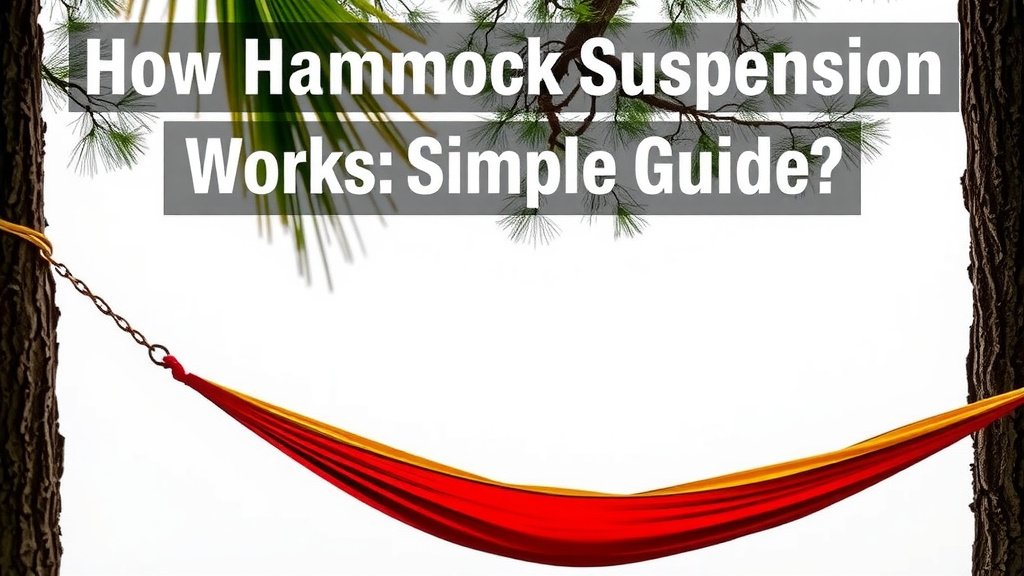
How Hammock Suspension Works: A Simple Guide
Hammock suspension works by using strong straps or ropes to secure your hammock to anchor points, like trees or posts. This setup distributes your weight evenly, creating a stable and comfortable hanging experience. Properly set up suspension ensures your hammock holds your weight without slipping or failing, making it safe and reliable for relaxing.
Understanding how hammock suspension functions is key to a great hang. It involves selecting the right hardware for your hammock type and knowing how to create tension. Many hammock suspension systems rely on simple, yet effective physics to keep you off the ground, giving you peace of mind while you unwind.
- Hammock suspension uses straps/ropes to attach to trees or posts.
- It spreads your weight evenly for stability.
- Proper setup prevents slipping and ensures safety.
- Choosing the right gear is important for comfort.
- Physics plays a big role in keeping you secure.
Ready to learn the secrets behind a perfect hammock hang? Below, we’ll walk through exactly how hammock suspension works, from the basic principles to practical tips for setting yours up right.
Understanding Your Hammock’s Hanging Setup
Your hammock relies on a clever system of straps, ropes, and hardware. This setup is what keeps you suspended comfortably. It’s all about physics and smart design. We’ll break down how this system supports your weight. It’s simpler than you might think! Learn how this system supports your weight for a comfortable hang.
The Core Components of Hammock Suspension
Every hammock suspension system has a few key parts. You have your anchor points, your suspension material, and often some hardware to connect them. Each piece plays a vital role. Let’s look at what makes up your hammock’s support structure.
Anchor Points: Where the Magic Begins
These are the sturdy points that hold your hammock. Think of strong trees, dedicated hammock stands, or even solid posts. The key is that they must be strong enough to hold your weight and the weight of anyone in the hammock. You should always check that your anchor points are secure before you hang. Many guidelines suggest using trees that are at least 6 inches in diameter. This ensures they won’t bend or break (U.S. Forest Service).
Suspension Material: The Bridge to Relaxation
This is the stuff that actually connects your hammock to your anchor points. You’ll most commonly find webbing straps or ropes. These materials need to be strong and durable. They will bear your entire weight, so quality matters a lot here.
Webbing Straps
Straps are a popular choice for many. They are often made from polyester or nylon. These materials are chosen for their **strength and resistance** to stretching. Straps distribute pressure well, which is easier on trees. Many hammock suspension kits come with wide webbing straps. These are designed to be tree-friendly and prevent damage to the bark.
Ropes
Ropes are another common option. Paracord is a favorite for its strength and lightweight nature. Static ropes are best because they don’t stretch much. Dynamic ropes, like those used for climbing, are too stretchy. They can absorb too much shock, which isn’t ideal for a stable hang. When using ropes, it’s important to use a material that won’t fray easily. Discover how paracord is lightweight and packs down small for backpacking.
Hardware: The Connectors and Adjusters
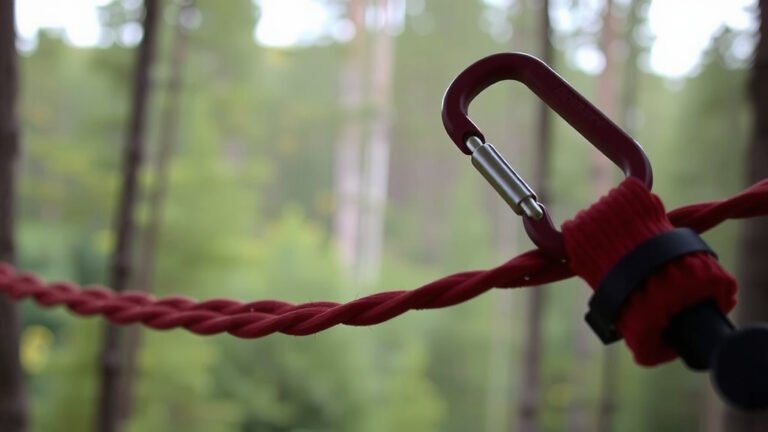
Hardware is used to attach your suspension material to the anchor points and to your hammock. This can include carabiners, buckles, or specialized suspension systems. These small but mighty parts need to be reliable. They handle a lot of tension.
Carabiners
These are common for connecting straps or ropes to your hammock. They need to be rated for climbing or weight-bearing. Not all carabiners are created equal. You want ones designed for load-bearing applications. This ensures they won’t fail under stress.
Buckles and Tensioners
Some systems use buckles or cam buckles to adjust the tension of your suspension. These allow you to fine-tune how taut your hammock is. This makes it easier to achieve the perfect hang angle for comfort.
How Suspension Creates a Comfortable Hang
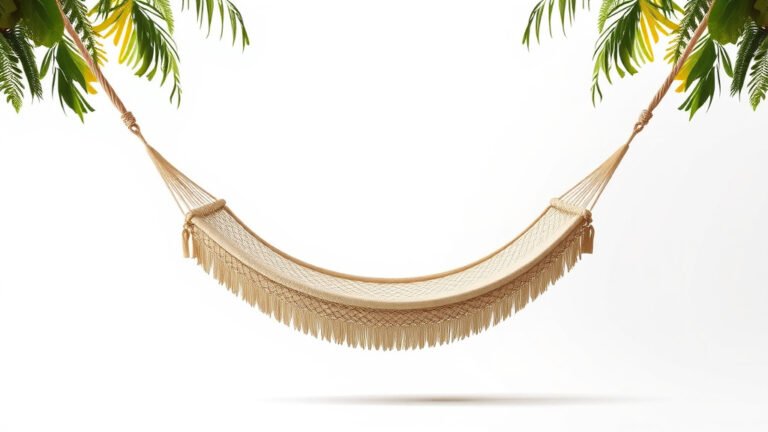
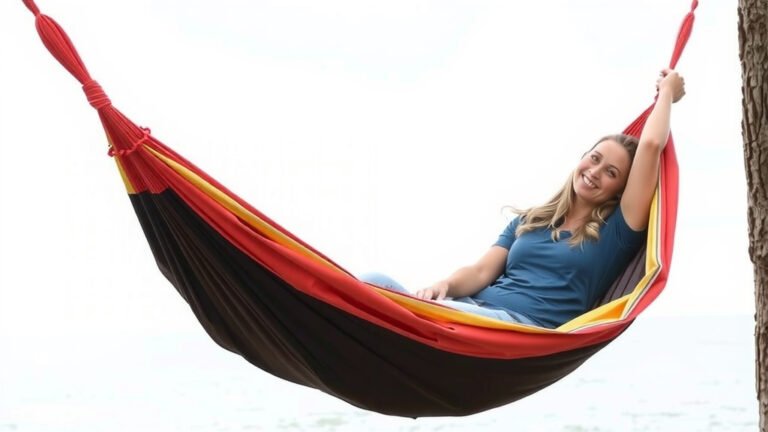
The way hammock suspension works is all about angles and tension. When you set up your hammock, you’re creating a gentle curve. This curve is often called a “smile.” The anchor points are usually set wider apart than your hammock is long. This creates a natural sag.
The Importance of Sag
That sag is your best friend for comfort. It allows your body weight to distribute evenly across the hammock fabric. A hammock that is too tight will feel stiff. It will also be harder to get into. A hammock that sags too much might feel like you’re sinking too low. Finding that sweet spot is key.
Many experts suggest aiming for a hang angle between 25 and 30 degrees. This angle refers to the degree of the suspension straps relative to the ground. A good sag means the suspension material won’t feel strained. Your body will also be supported in a more ergonomic position. This reduces pressure points.
Weight Distribution Explained
When you sit in your hammock, your weight is not just pulling straight down. It’s distributed along the length of the suspension material. Because the material is angled, the force is spread out. This is much like how a suspension bridge distributes the load of traffic. The stronger the suspension material and anchor points, the more weight they can safely handle.
| Material | Pros | Cons |
|---|---|---|
| Webbing Straps | Tree-friendly, strong, good weight distribution. | Can be bulkier, may require buckles or carabiners. |
| Nylon Rope (Static) | Lightweight, compact, versatile. | Can be harder on tree bark, may stretch slightly over time. |
| Amsteel/Dyneema Rope | Extremely strong, very low stretch, lightweight. | Can be more expensive, may require specialized hardware. |

Common Suspension Setup Methods
There are a few popular ways people set up their hammock suspension. Each method has its own advantages. Understanding these can help you choose the best one for your needs.
The “Whoopie Sling” Method
This is a favorite among backpackers. A whoopie sling is a type of adjustable rope suspension. It uses a specific knot that allows you to easily lengthen or shorten the suspension. It’s incredibly lightweight and packs down small. You simply loop one end around a tree and pass the other end through a fixed loop. Pulling the free end tightens the loop around the tree.
Buckle and Strap Systems
Many commercial hammocks come with systems like this. They feature webbing straps with buckles. You wrap the strap around the tree and feed it through the buckle. Then, you pull it tight. Some buckles have a camming action that helps hold the strap securely. These are very easy to use, even for beginners.
Simple Rope and Knot Method
For those who prefer simplicity or only have rope, basic knots work. You can use a bowline knot to create a loop around a tree. Then, you can tie another secure knot, like a taut-line hitch, to connect to your hammock. While effective, this method requires knowledge of knots and can be harder to adjust on the fly.
Safety First: Ensuring a Secure Hang
Your safety is the most important thing. A well-executed suspension system prevents accidents. Always double-check your setup before fully committing your weight.
- Inspect all your gear for wear and tear.
- Ensure anchor points are strong and stable.
- Test the tension and security of knots or buckles.
- Hang your hammock at a comfortable, safe height.
- Never exceed the manufacturer’s weight limit.
- Be mindful of weather conditions that could affect stability.
Conclusion
You’ve learned how hammock suspension works, from its simple physics to its practical setup. Understanding anchor points, suspension materials like straps and ropes, and essential hardware like carabiners is key. Remember, the gentle sag and proper tension create that cloud-like comfort. By choosing the right gear and ensuring a secure hang, you’re set for countless relaxing moments. Now, go find some trees and enjoy your perfectly suspended hammock!
Frequently Asked Questions
What’s the safest way to attach a hammock to a tree?
Using wide webbing straps is generally considered the safest and most tree-friendly method. They distribute pressure evenly and prevent damage to the bark. Always ensure your straps are rated for your weight and that the tree is healthy and strong enough.
Can I use climbing rope for hammock suspension?
While climbing rope is strong, it’s usually a dynamic rope designed to stretch and absorb shock during a fall. This stretchiness isn’t ideal for a stable hammock hang. Opt for static ropes or specialized hammock suspension ropes that have minimal stretch for a more secure and comfortable experience.
How do I know if my anchor points are strong enough?
For trees, a diameter of at least 6 inches is a good general guideline for stability. For artificial anchor points like posts or dedicated stands, ensure they are rated to hold significantly more than your combined body weight plus any dynamic movement. When in doubt, err on the side of caution or consult manufacturer specifications.
Why is the “sag” or hang angle so important?
The sag, ideally between 25-30 degrees for the suspension straps, is vital for comfort and weight distribution. Too tight a hammock creates pressure points and feels stiff. Too much sag can make you feel like you’re sinking too low. Finding the right angle lets your body relax naturally.
How often should I inspect my hammock suspension gear?
You should inspect your suspension gear before every use, especially if it’s been stored for a while or exposed to the elements. Look for any signs of fraying, wear, cuts, or damage on straps, ropes, and hardware. Replace any components that show signs of damage to ensure your safety.