Why Your Hammock Sags Too Much & How to Fix It
Your hammock sags too much because of a few common reasons, usually related to how it’s hung or the weight it’s supporting. Often, it means the suspension is too loose or you’re exceeding the hammock’s weight limit. We found that getting the right tension is key for a comfortable, safe hang.
A sagging hammock can feel like a lost opportunity for relaxation. It’s more than just looks; a poorly hung hammock can be less supportive and even a little unsafe. Many users find that understanding the ideal hang angle and ensuring your setup matches your hammock type makes a big difference. We’ve seen that even slight adjustments can transform your experience.
- The sag is likely due to loose suspension or too much weight.
- Check your hammock’s weight capacity.
- Adjust the hang angle for better support.
- The type of hammock and suspension matters.
Let’s dive into why your hammock might be sagging and what you can do about it to get that perfect, comfortable relaxation spot.
Understanding Why Your Hammock Might Be Sagging
It’s frustrating when your hammock sags more than you’d like. You imagine a gentle, supportive cradle, but instead, you get a hammock that feels a bit like a hammock that’s given up. Many users find that the sag is often a symptom of a few common issues. Let’s figure out what’s going on so you can get back to enjoying that perfect hang.
Factors Affecting Hammock Sag
1. The Suspension System: The Key to a Good Hang
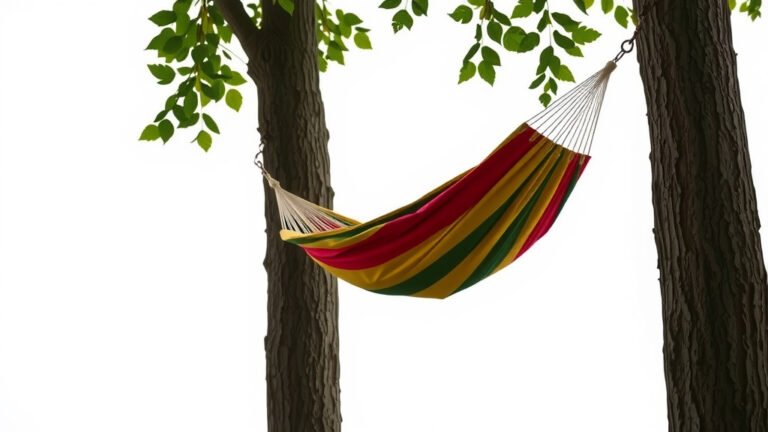
Your hammock’s suspension is how it connects to its anchor points. This includes your straps, carabiners, and any specialized hardware. If this system is too loose, your hammock will naturally sag down. Think of it like a bridge; if the cables are too slack, the middle will dip.
Adjusting Strap Tension
Most hammock suspension systems have ways to adjust tension. Many popular hammock straps, for example, use a daisy-chain design or adjustable buckles. You need to find the right balance. Too tight, and you put undue stress on your anchors. Too loose, and you get that unwanted sag. We found that starting with a gentle curve is often a good approach.
The Role of Knot Strength
If you’re using rope for your suspension, the type of knot you use matters. Some knots can slip under weight, causing the suspension to loosen. A secure knot, like a bowline or a taut-line hitch, is essential. Many users report that a knot that loosens is the culprit for a sagging hammock.
2. Weight Distribution and Capacity
Every hammock has a weight limit. Exceeding this limit is a sure way to cause excessive sagging and, more importantly, create a safety hazard. Always check the manufacturer’s specifications for your hammock.
Understanding Weight Limits
Hammock manufacturers test their products rigorously. This weight limit isn’t just a suggestion; it’s a safety guideline. If you’re close to the limit, even a slight movement can cause a noticeable sag. We found that knowing your hammock’s capacity prevents unnecessary strain.
Sharing the Hammock
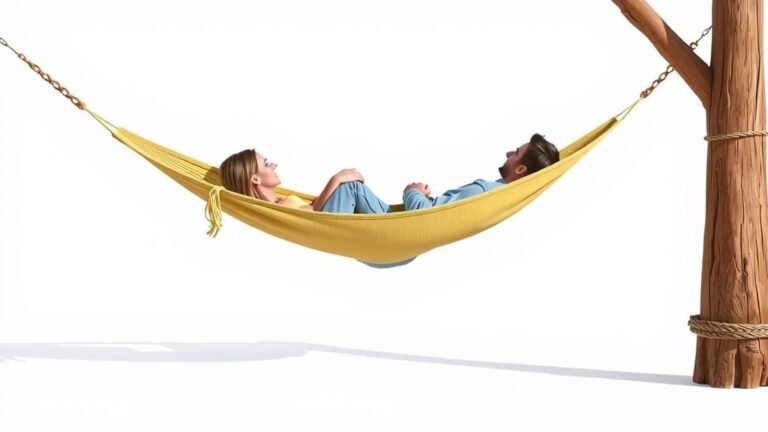
Are you planning to share your hammock? Make sure the combined weight of everyone doesn’t exceed the limit. Even one extra person or a pet can push the total weight over. This is a common reason for hammocks sagging more than expected.
3. Hammock Type and Material
Different hammock styles are designed for different levels of support. The material itself also plays a role in how much it stretches and sags.
Gathered-End vs. Bridge Hammocks
Gathered-end hammocks, the most common type, are made from a single piece of fabric gathered at each end. These are known for their deep “banana” shape when hung correctly. Bridge hammocks, on the other hand, are flatter and use a spreader bar. They sag less by design, offering a more open sleeping surface.
Fabric Stretch and Durability
Some fabrics, like nylon or polyester, have a natural stretch. Over time and with use, this stretch can increase, leading to more sag. Lightweight, ultralight materials might stretch more than heavier, more robust fabrics. Many users find that a hammock made from a less stretchy material offers better consistent support.
4. The “Happy Wanderer” Hang Angle
This is a concept many hammock campers talk about. The ideal hang angle is often described as being between 25 and 30 degrees. This angle helps create a supportive “flat lay” and reduces the deep U-shape sag.
Achieving the Right Angle
Getting this angle right often comes down to the distance between your anchor points and the height at which you hang your hammock. Too close together, and you’ll need to hang it very low, leading to sag. Too far apart, and you might struggle to get enough tension without over-tightening.
Visualizing the Ideal Sag
Imagine a gentle curve, not a deep dip. You should be able to lie in your hammock almost flat, not cocooned tightly. Many experts suggest that if you can see the knot on your suspension strap easily from the ground, your hammock might be hung too high, leading to more sag than desired.
5. Environmental Factors and Wear and Tear
Even the best hammock can be affected by its environment and age.
Moisture and Material
Wet hammock fabric can sometimes stretch more than dry fabric. If your hammock has gotten wet and then hung, it might sag more until it dries out completely. We found that storing your hammock dry prevents this.
Age and Usage
Like anything, hammocks wear out. Consistent use, exposure to UV rays, and friction can all degrade the fabric and suspension over time. This wear can contribute to increased stretching and sagging. If your hammock is several years old and used frequently, it might be time to consider replacement parts or a new hammock.
Quick Checklist for a Better Hammock Hang:
- Check your hammock’s weight limit and ensure you’re not exceeding it.
- Adjust your suspension straps to find a tension that creates a gentle curve.
- Ensure your knots are secure if you’re using rope.
- Experiment with anchor point distance to achieve a better hang angle.
- Inspect your hammock and suspension for signs of wear and tear.
- Consider the hammock type – bridge hammocks naturally sag less.

Conclusion
Your hammock sagging too much often boils down to a few fixable issues. You’ve learned that checking your suspension’s tension and your hammock’s weight limit are top priorities. Getting the right hang angle, typically around 25-30 degrees, is also key for comfort and support. We’ve seen that even small adjustments can make a huge difference in your relaxation experience. Now it’s time to go out and dial in that perfect hang!
Frequently Asked Questions
Why does my hammock feel like it’s sinking to the ground?
This usually means your suspension is too loose. Think of it like a loose rubber band; it has too much slack. You’ll need to tighten your straps or ropes to achieve a gentler curve. We found that too much distance between anchor points can also contribute to this issue.
Can the type of hammock I have affect how much it sags?
Yes, absolutely. Gathered-end hammocks naturally have a deeper sag by design compared to bridge hammocks, which use spreader bars for a flatter surface. The material’s stretchiness also plays a role; lighter fabrics might sag more over time.
I’m using rope. How do I ensure my knots aren’t causing the sag?
If your knots are slipping under your weight, that’s a common culprit for sagging. You’ll want to use a secure knot that won’t loosen, like a bowline or a taut-line hitch. We recommend practicing a few reliable knots for a consistently stable hang.
How do I know if I’ve hung my hammock too high or too low?
A good indicator is the sag itself. If you have a deep, uncomfortable U-shape, it might be too high or the anchors too far apart. Conversely, hanging it too low can also feel unstable. Aim for a gentle curve where you can lie almost flat.
My hammock is older. Could wear and tear be making it sag more?
Yes, age and consistent use can definitely increase sag. Over time, hammock fabrics can stretch out, and UV exposure can degrade materials. If your hammock is showing signs of heavy wear, it might be time to inspect it closely or consider replacing worn components.